Meta, Google Liable in Addiction Case
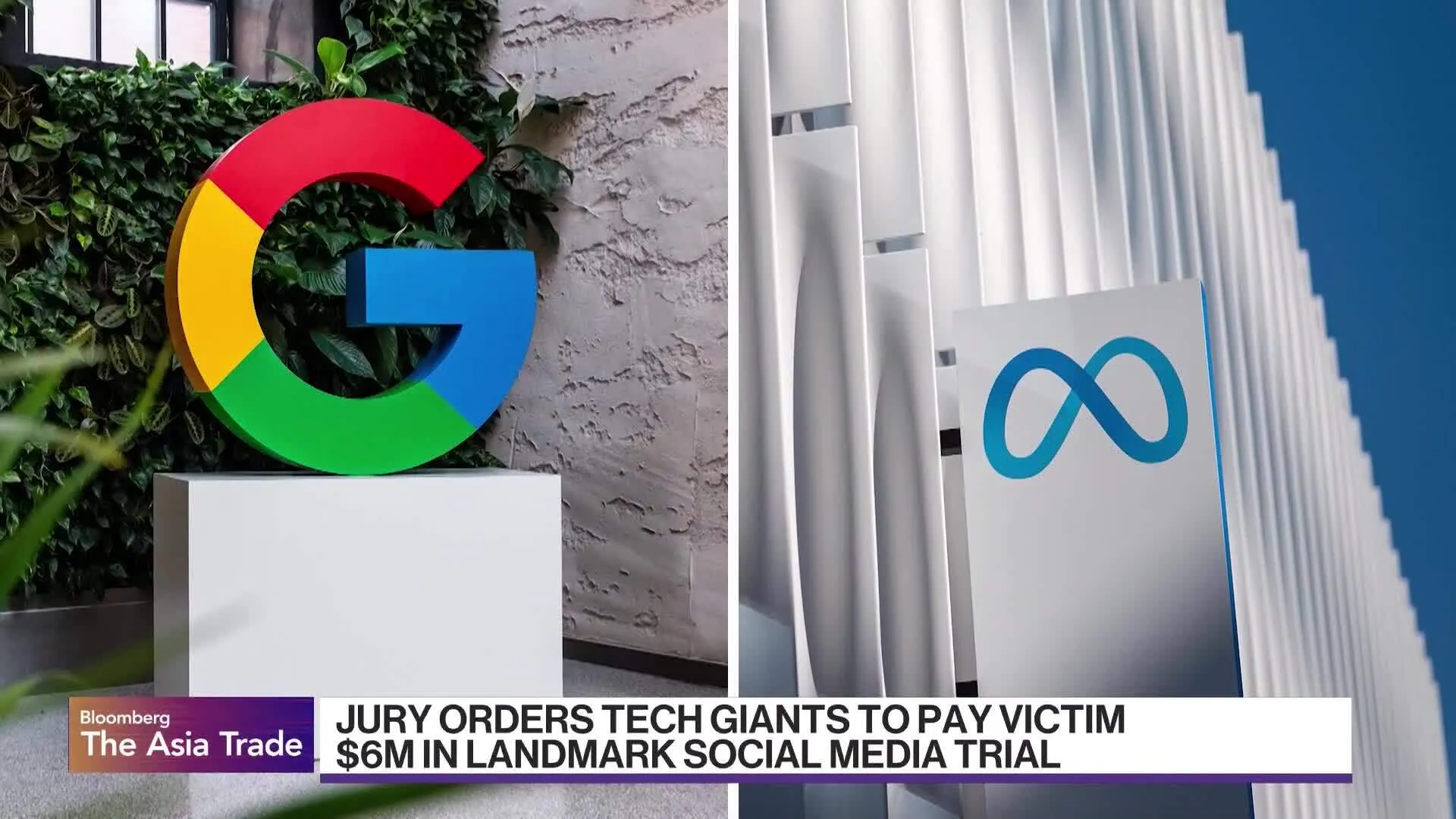
💡First liability for addictive social feeds—AI designers face new legal risks
⚡ 30-Second TL;DR
What Changed
Jury holds Meta and Google liable for user harm
Why It Matters
This verdict signals growing legal risks for tech firms optimizing user engagement, potentially reshaping product design strategies. It could prompt broader scrutiny of algorithmic feeds.
What To Do Next
Audit your AI recommendation algorithms for addictive engagement patterns now.
Key Points
- •Jury holds Meta and Google liable for user harm
- •Products designed to be addictive targeted
- •Potential rise in government regulations on social media
🧠 Deep Insight
AI-generated analysis for this event — not the original article.
🔑 Enhanced Key Takeaways
- •The verdict stems from a consolidated multidistrict litigation (MDL) involving hundreds of plaintiffs alleging that algorithmic recommendation systems intentionally exploit psychological vulnerabilities in minors.
- •The jury specifically found that the companies failed to implement adequate 'duty of care' safeguards, rejecting the defense's argument that Section 230 of the Communications Decency Act grants total immunity for algorithmic content curation.
- •Legal experts anticipate this ruling will trigger a wave of 'design defect' product liability lawsuits, shifting the focus from content moderation (protected by Section 230) to the underlying architecture of engagement-based recommendation engines.
🔮 Future ImplicationsAI analysis grounded in cited sources
⏳ Timeline
Weekly AI Recap
Read this week's curated digest of top AI events →
👉Related Updates
AI-curated news aggregator. All content rights belong to original publishers.
Original source: Bloomberg Technology ↗
This is a summary, not the original. Read the source, or get the weekly briefing.
The weekly digest
One email a week. Unsubscribe anytime.