Source钛媒体•Stalecollected in 14m
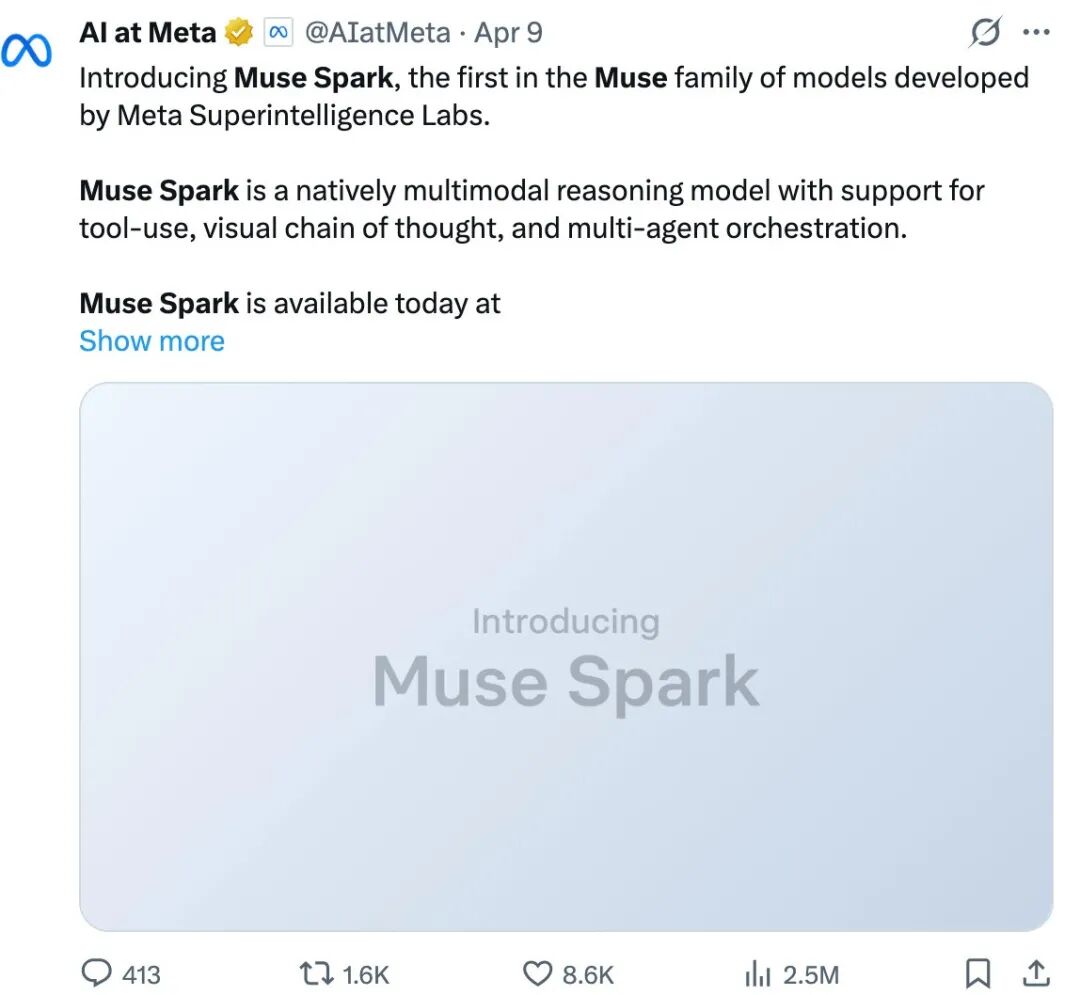
Meta Closed-Source Pivot
#closed-source#ai-strategy#big-techmeta-aimetabaidu
💡Meta's closed-source shift challenges open AI ecosystem
⚡ 30-Second TL;DR
What Changed
Meta shifts from open to closed-source models
Why It Matters
Could slow open-source AI momentum and intensify competition among closed models from big tech.
What To Do Next
Benchmark Meta's latest closed models against Llama open weights.
Who should care:Founders & Product Leaders
Key Points
- •Meta shifts from open to closed-source models
- •Compares to Baidu's established closed approach
- •Open source for reputation building, closed for sustainability
🧠 Deep Insight
AI-generated analysis for this event — not the original article.
🔑 Enhanced Key Takeaways
- •Meta's strategic pivot is driven by the increasing compute costs and energy demands of training frontier-scale models, which are becoming difficult to subsidize through an open-source ecosystem model.
- •The shift aligns with a broader industry trend where 'open weights' are increasingly distinguished from 'open source,' with Meta moving toward restrictive licensing for its most advanced, high-parameter models to protect proprietary IP.
- •Baidu's long-standing closed-source stance, led by Robin Li, has historically prioritized the integration of AI into its existing search and cloud ecosystem, a model Meta is now emulating to improve monetization of its Llama-based services.
📊 Competitor Analysis▸ Show
| Feature | Meta (New Strategy) | Baidu (Ernie) | OpenAI (GPT) |
|---|---|---|---|
| Model Access | Closed/API-only | Closed/API-only | Closed/API-only |
| Primary Focus | Social/Ad Integration | Search/Enterprise Cloud | Productivity/Agentic Workflows |
| Benchmark Strategy | Proprietary/Internal | Internal/Industry-specific | Public/Standardized |
🔮 Future ImplicationsAI analysis grounded in cited sources
Meta will restrict access to its next-generation frontier model weights.
The shift toward a closed-source strategy indicates a move to monetize model capabilities directly via API rather than relying on community-driven ecosystem growth.
Developer adoption of Llama will decline in the open-source community.
Transitioning from open-weight releases to closed-source models removes the primary incentive for developers to build on Meta's infrastructure.
⏳ Timeline
2023-02
Meta releases Llama 1, marking its entry into the open-weights research space.
2023-07
Meta releases Llama 2 with a commercial-friendly license, significantly expanding its open-source footprint.
2024-04
Meta releases Llama 3, continuing the open-weights strategy while signaling increasing model scale.
2025-09
Meta begins internal discussions regarding the sustainability of open-source distribution for future frontier models.
📰
Weekly AI Recap
Read this week's curated digest of top AI events →
👉Related Updates



AI-curated news aggregator. All content rights belong to original publishers.
Original source: 钛媒体 ↗
This is a summary, not the original. Read the source, or get the weekly briefing.
The weekly digest
One email a week. Unsubscribe anytime.