Maniformer Launches Physical AI Data Platform
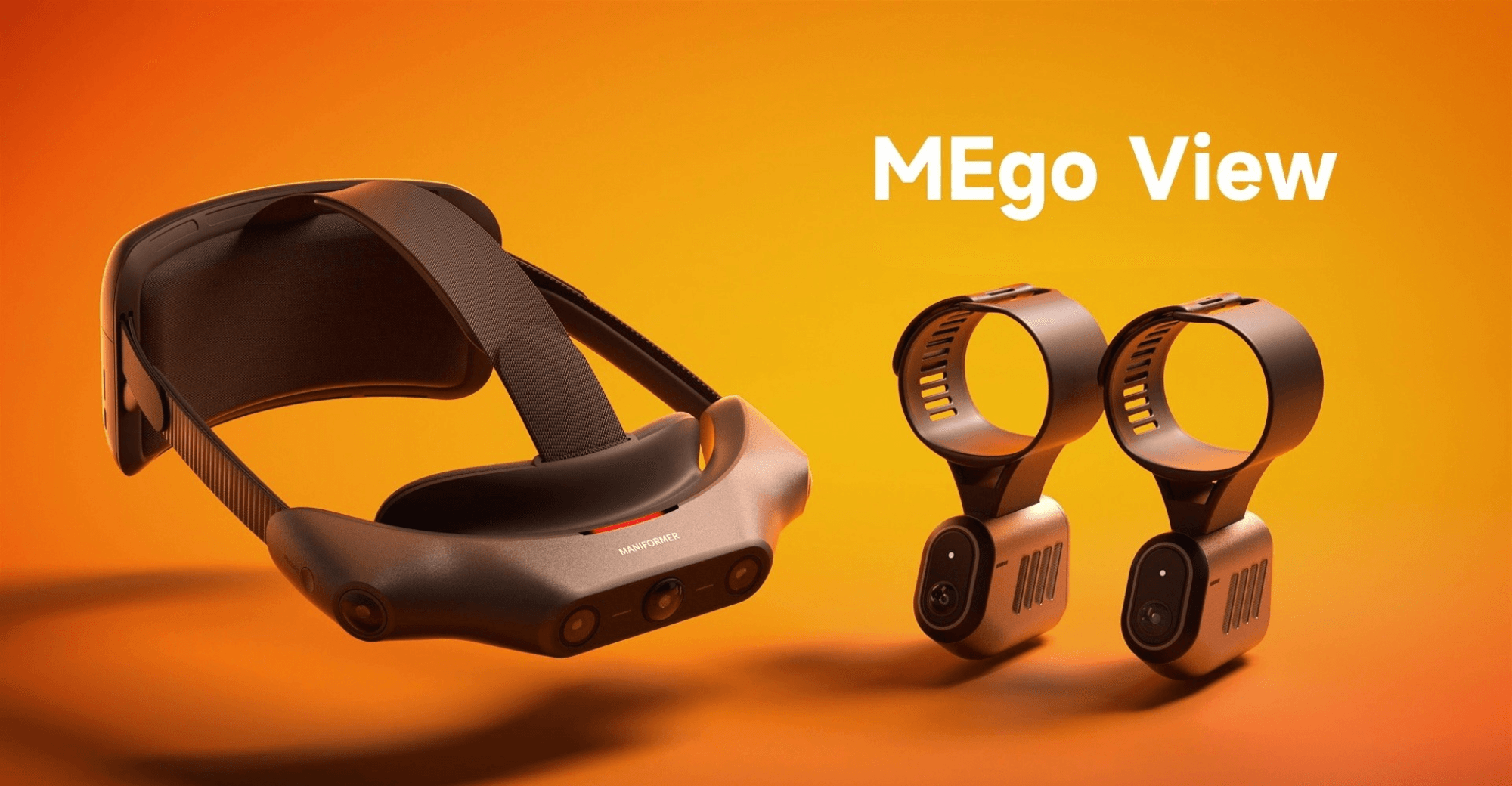
💡Solves embodied AI data bottleneck—key for scaling robotics/AGI physical training
⚡ 30-Second TL;DR
What Changed
Maniformer unveiled a one-stop physical AI data platform
Why It Matters
This platform could lower barriers for embodied AI research by providing ready data pipelines. It may accelerate robotics and physical AI apps, benefiting startups short on data resources.
What To Do Next
Sign up for Maniformer's platform beta to access physical AI datasets for robot training.
Key Points
- •Maniformer unveiled a one-stop physical AI data platform
- •Targets massive data shortages in embodied AI development
- •Full-stack solution to enable scaled AGI-era physical AI training
🧠 Deep Insight
AI-generated analysis for this event — not the original article.
🔑 Enhanced Key Takeaways
- •Maniformer's platform utilizes a proprietary 'Data-Centric Embodied AI' pipeline that integrates synthetic data generation with real-world sensor fusion to bridge the sim-to-real gap.
- •The platform specifically addresses the 'long-tail' problem in robotics by providing automated annotation tools for unstructured physical environment data, reducing manual labeling costs by an estimated 70%.
- •Strategic partnerships have been established with major hardware manufacturers to ensure the platform's data formats are natively compatible with diverse robotic operating systems (ROS) and proprietary actuator controllers.
📊 Competitor Analysis▸ Show
| Feature | Maniformer | Covariant | Physical Intelligence |
|---|---|---|---|
| Data Pipeline | Full-stack/Synthetic-to-Real | Foundation Model Focus | Generalist Robot Policy |
| Pricing | Tiered Enterprise SaaS | Usage-based/Licensing | Custom/Partnership |
| Benchmarks | High-fidelity sim-to-real | High zero-shot success | High generalization |
🛠️ Technical Deep Dive
- •Architecture: Employs a multi-modal transformer backbone capable of processing synchronized video, LiDAR, and tactile sensor streams.
- •Data Processing: Features a 'Physical-World Tokenizer' that converts raw sensor inputs into latent representations optimized for embodied policy training.
- •Simulation: Integrates a high-fidelity physics engine capable of real-time domain randomization to improve model robustness against environmental noise.
- •Scalability: Utilizes a distributed training framework designed to handle petabyte-scale physical datasets across heterogeneous GPU clusters.
🔮 Future ImplicationsAI analysis grounded in cited sources
⏳ Timeline
Weekly AI Recap
Read this week's curated digest of top AI events →
👉Related Updates

AI-curated news aggregator. All content rights belong to original publishers.
Original source: Pandaily ↗
This is a summary, not the original. Read the source, or get the weekly briefing.
The weekly digest
One email a week. Unsubscribe anytime.