Make Zero CVEs the Default
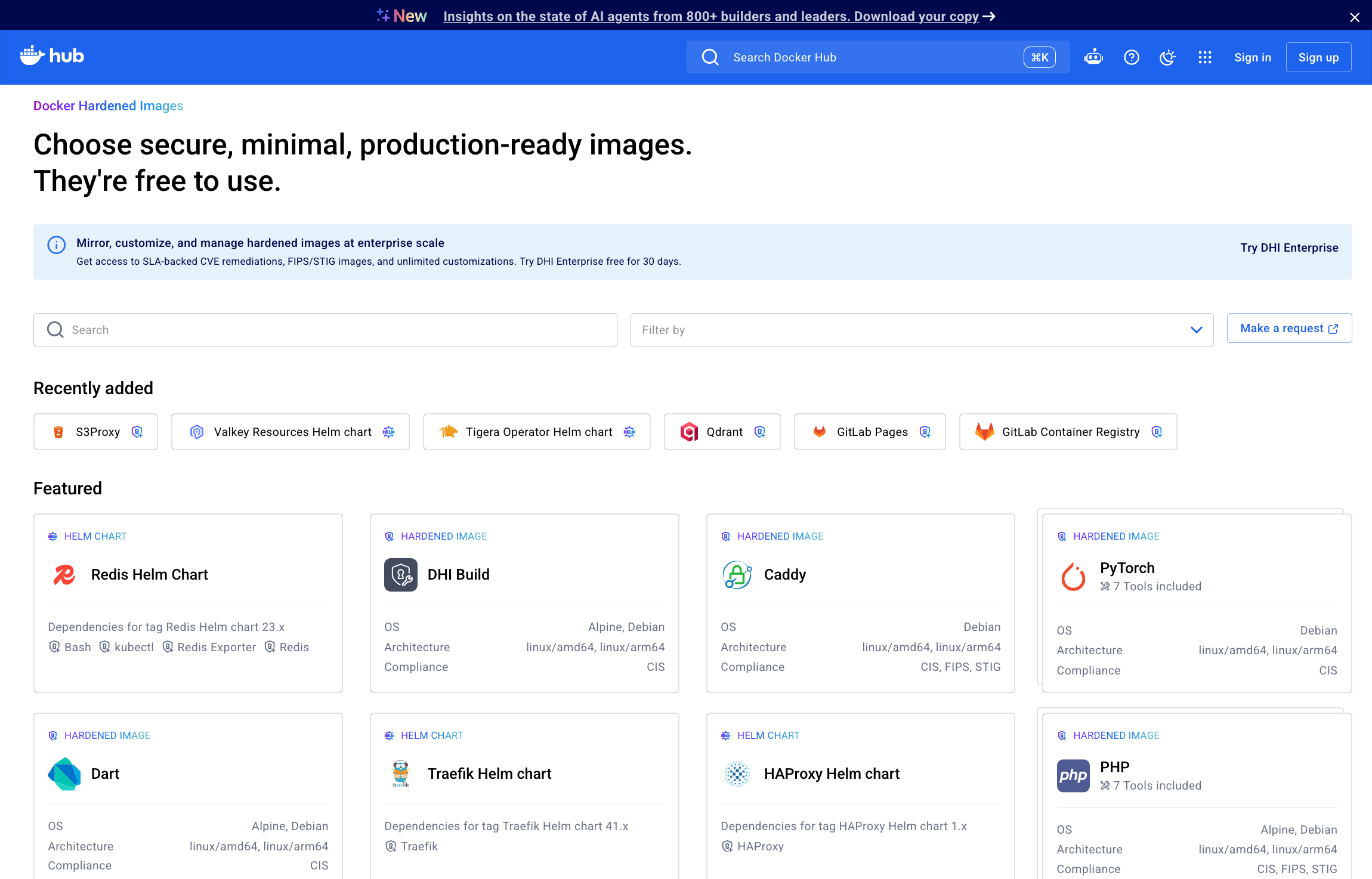
💡Container supply-chain attacks now target security tools themselves—Docker explains why zero-CVE images should be your b
⚡ 30-Second TL;DR
What Changed
Supply-chain attacks are increasingly targeting tools and infrastructure used for security defense.
Why It Matters
AI teams building inference services, data pipelines, and agent platforms depend heavily on containerized infrastructure. A zero-CVE default could reduce exposure from vulnerable base images, but teams still need runtime controls and continuous verification because zero known CVEs does not mean zero risk.
What To Do Next
Evaluate Docker Hardened Images as base images for one non-production AI service, then verify the result with Trivy before deployment.
Key Points
- •Supply-chain attacks are increasingly targeting tools and infrastructure used for security defense.
- •Docker characterizes the recent compromises as a permanent shift in the threat landscape.
- •The article advocates adopting container images with zero known CVEs as the default security posture.
🧠 Deep Insight
AI-generated analysis for this event.
🔑 Enhanced Key Takeaways
- •Docker's initiative aligns with the broader 'Secure by Design' movement, emphasizing the reduction of attack surfaces by stripping container images of unnecessary binaries, shells, and package managers.
- •The strategy leverages distroless and minimal base images (such as Alpine or Scratch) to mathematically reduce the probability of CVE exposure in production environments.
- •Industry data suggests that a significant percentage of vulnerabilities in container images are found in OS-level packages that are never executed during the application's runtime.
- •Docker has integrated automated vulnerability scanning directly into the Docker Desktop and Docker Hub workflows to provide real-time feedback loops for developers before images are pushed to registries.
- •The shift toward zero-CVE defaults is a response to the increasing sophistication of supply-chain attacks, such as dependency confusion and malicious package injection, which bypass traditional perimeter defenses.
📊 Competitor Analysis▸ Show
| Feature | Docker (Zero-CVE Initiative) | Snyk (Container Security) | Aqua Security |
|---|---|---|---|
| Primary Focus | Developer-centric image hardening | Vulnerability remediation & prioritization | Runtime protection & compliance |
| Pricing Model | Freemium (Integrated) | Per-developer/Per-scan | Enterprise/Per-node |
| Key Benchmark | Mean Time to Remediate (MTTR) | Vulnerability detection coverage | Runtime threat blocking |
🛠️ Technical Deep Dive
- Implementation of Multi-Stage Builds: Docker encourages using multi-stage builds to separate the build environment from the final runtime image, ensuring only necessary artifacts are included.
- Distroless Image Adoption: Utilizing images that contain only the application and its runtime dependencies, removing package managers like apt or apk to prevent runtime exploitation.
- SBOM (Software Bill of Materials) Integration: Automated generation of CycloneDX or SPDX files to provide transparency into the composition of container images.
- Static Analysis Integration: Leveraging tools like KICS (Keeping Infrastructure as Code Secure) to scan Dockerfiles for misconfigurations before the image is even built.
🔮 Future ImplicationsAI analysis grounded in cited sources
⏳ Timeline
Weekly AI Recap
Read this week's curated digest of top AI events →
👉Related Updates
AI-curated news aggregator. All content rights belong to original publishers.
Original source: Docker Blog ↗