Mac Screen-Sharing Flaw Enables Passwordless Remote Access
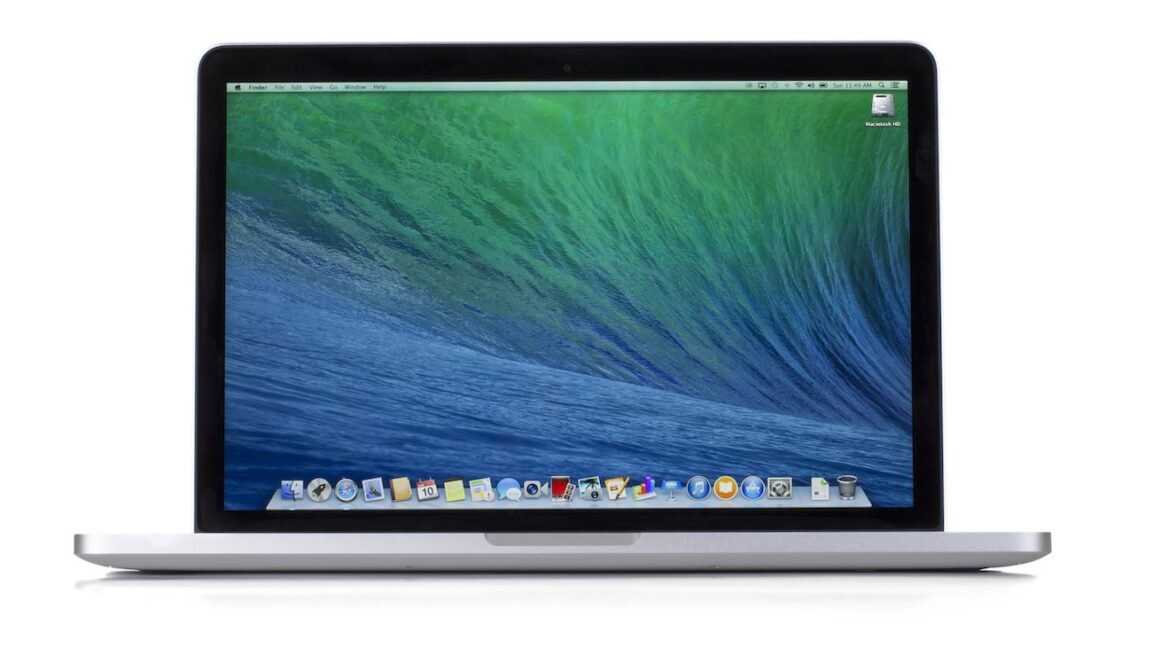
💡A passwordless Mac takeover could expose code, credentials, and AI development environments.
⚡ 30-Second TL;DR
What Changed
The flaw affects macOS screen-sharing functionality.
Why It Matters
A compromised Mac could expose source code, credentials, local datasets, and development environments. AI teams with Mac-based engineering or research workflows should consider this a potential pathway into broader internal systems.
What To Do Next
Update every Mac used for development to the latest available macOS release and disable Screen Sharing until patch status is confirmed.
Key Points
- •The flaw affects macOS screen-sharing functionality.
- •Attackers may remotely log in without a password.
- •Active exploitation increases the urgency of patching and reviewing remote-access settings.
🧠 Deep Insight
AI-generated analysis for this event.
🔑 Enhanced Key Takeaways
- •The vulnerability is specifically linked to the Apple Remote Desktop (ARD) protocol implementation within macOS, often triggered when the Screen Sharing service is exposed to the public internet.
- •Security researchers identified that the flaw stems from an improper authentication bypass in the VNC-based handshake process used by macOS Screen Sharing.
- •Apple has released a specific security update (macOS 15.x or equivalent patch) that modifies how the Screen Sharing daemon (screensharingd) validates incoming connection requests.
- •Enterprise environments utilizing Mobile Device Management (MDM) solutions are being advised to push configuration profiles that disable Screen Sharing on endpoints not requiring remote administration.
- •Initial forensic analysis suggests that attackers are leveraging automated scanning tools to identify Macs with port 5900 open, facilitating mass exploitation attempts.
🛠️ Technical Deep Dive
- The vulnerability resides in the screensharingd process, which handles VNC (Virtual Network Computing) authentication requests.
- Attackers exploit a race condition or logic error in the authentication state machine, allowing a connection to transition to an authenticated state without a valid password exchange.
- The flaw bypasses the standard 'Check for Password' routine in the Apple Remote Desktop protocol stack.
- Affected systems fail to properly drop the connection when the authentication challenge-response sequence is interrupted or malformed.
- Mitigation involves updating the system to a version where the authentication handshake is hardened against non-sequential packet arrival.
🔮 Future ImplicationsAI analysis grounded in cited sources
⏳ Timeline
Weekly AI Recap
Read this week's curated digest of top AI events →
👉Related Updates

AI-curated news aggregator. All content rights belong to original publishers.
Original source: Ars Technica ↗