🐯虎嗅•Stalecollected in 20m
Low-Paid Data Labelers Train AI Models
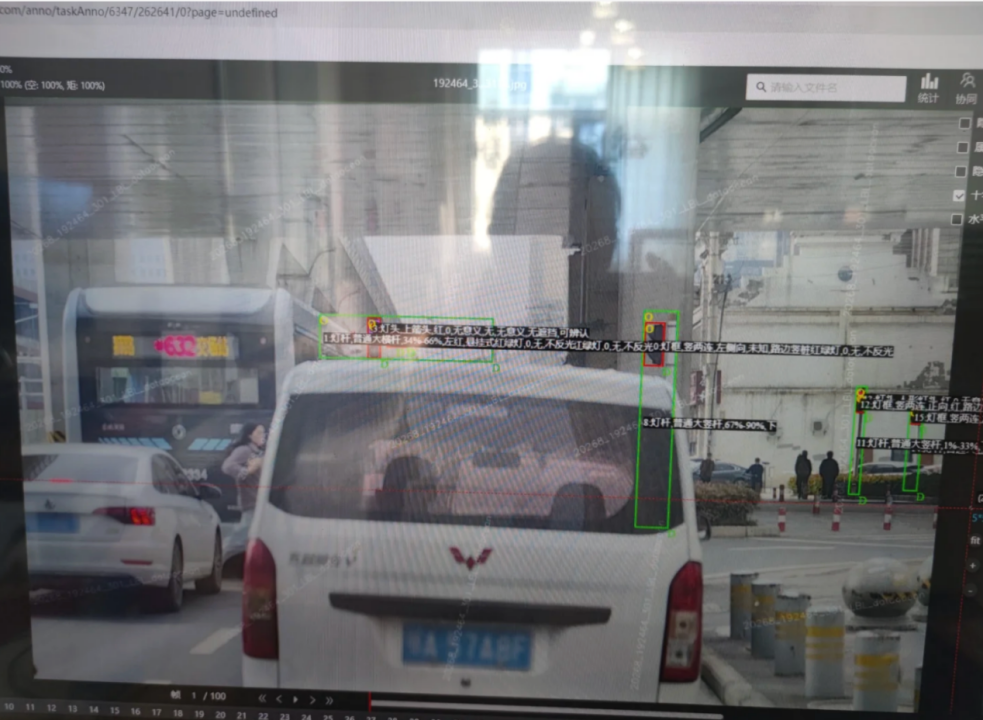
💡Exposes gritty reality of AI training data workforce in China—key for scaling models ethically
⚡ 30-Second TL;DR
What Changed
Data labelers in cities like Chengdu handle 3D modeling and detailed annotations for AI recognition.
Why It Matters
Highlights human cost of AI data needs, pressuring firms to automate labeling or improve worker conditions amid scaling demands.
What To Do Next
Evaluate automated labeling tools like Snorkel or LabelStudio to reduce reliance on low-wage human annotators.
Who should care:Founders & Product Leaders
Key Points
- •Data labelers in cities like Chengdu handle 3D modeling and detailed annotations for AI recognition.
- •Workers earn piece-rate pay (e.g., 120 RMB per task batch), but errors lead to deductions and rework.
- •High attrition: most stay under 6 months due to burnout, with jobs rebranded to attract newcomers like 'DeepSeek trainer'.
🧠 Deep Insight
AI-generated analysis for this event.
🔑 Enhanced Key Takeaways
- •The 'data labeling' industry in China has increasingly shifted toward 'RLHF' (Reinforcement Learning from Human Feedback) tasks, where workers are tasked with ranking model outputs to align AI behavior with human preferences, moving beyond simple object detection.
- •Major Chinese tech firms and AI startups are outsourcing these operations to 'data factories' in lower-tier cities to capitalize on lower labor costs, creating a geographic divide between AI development hubs like Beijing/Shenzhen and the labeling workforce.
- •Regulatory scrutiny is rising regarding the working conditions of these 'AI ghost workers,' with some local governments beginning to evaluate the sustainability of the 'data labeling' economic model as a form of digital employment.
🔮 Future ImplicationsAI analysis grounded in cited sources
Automated data synthesis will reduce reliance on human labelers by 2027.
Advancements in synthetic data generation are allowing models to train on high-quality, machine-generated datasets, reducing the need for manual annotation.
Data labeling wages will face upward pressure due to labor shortages.
High turnover rates and the repetitive nature of the work are leading to a shrinking pool of willing workers, forcing firms to increase compensation to maintain throughput.
⏳ Timeline
2023-03
Rapid expansion of RLHF-focused data labeling centers in Western China to support the domestic LLM boom.
2024-06
Increased industry focus on 'data quality' over 'data quantity' leads to stricter, more complex annotation guidelines for workers.
2025-11
Emergence of specialized 'AI trainer' certification programs in vocational schools to professionalize the labeling workforce.
📰
Weekly AI Recap
Read this week's curated digest of top AI events →
👉Related Updates


AI-curated news aggregator. All content rights belong to original publishers.
Original source: 虎嗅 ↗