LinkedIn Secretly Scans 6,000 Browser Extensions
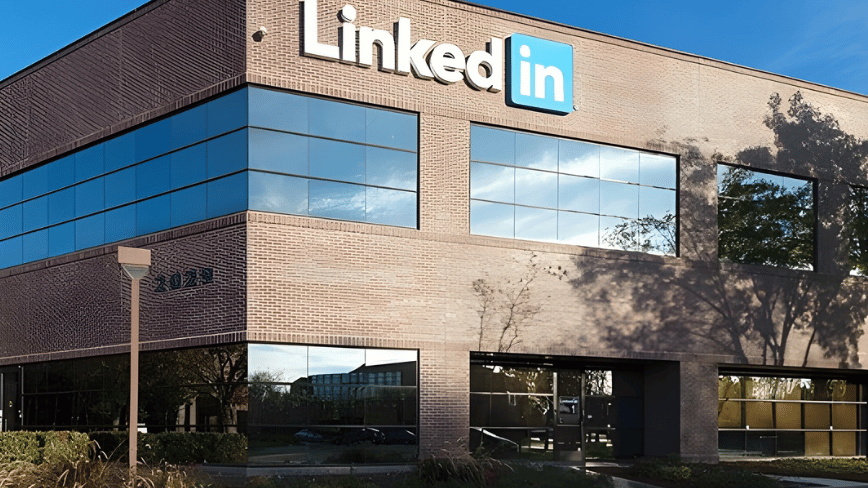
💡LinkedIn fingerprints devs' browsers—protect privacy on key AI job/networking platform
⚡ 30-Second TL;DR
What Changed
Hidden JS probes for 6,000+ extensions silently
Why It Matters
Raises privacy concerns for professionals using LinkedIn for networking and job searches. Could erode user trust in Microsoft-owned platform amid growing scrutiny on tracking.
What To Do Next
Audit browser extensions and use incognito mode or privacy-focused browsers before accessing LinkedIn.
Key Points
- •Hidden JS probes for 6,000+ extensions silently
- •Collects 48 hardware/software characteristics
- •Encrypts fingerprint and attaches to all API requests
- •Targets Chrome-based browsers exclusively
🧠 Deep Insight
AI-generated analysis for this event — not the original article.
🔑 Enhanced Key Takeaways
- •Security researchers identified that the technique utilizes 'web accessible resources' within the manifest.json files of installed extensions to perform side-channel attacks, allowing LinkedIn to detect specific software without explicit browser permissions.
- •The practice is primarily aimed at fraud detection and bot mitigation, specifically targeting automated scraping tools or malicious extensions that inject content into the LinkedIn DOM, rather than just user tracking.
- •Browser vendors, particularly Google, have faced increased pressure to restrict the 'web_accessible_resources' API in response to this discovery, as it facilitates cross-site fingerprinting that bypasses standard privacy protections.
🛠️ Technical Deep Dive
- •The routine executes a series of 'fetch' requests to known extension-specific URLs (e.g., chrome-extension://[extension-id]/manifest.json).
- •A successful response (200 OK) confirms the extension's presence, while a failure (404 or blocked) indicates absence.
- •The 48 characteristics collected include canvas fingerprinting, WebGL renderer information, audio context analysis, and battery status API data.
- •The resulting fingerprint is hashed using a proprietary algorithm and transmitted via a custom header in XHR/Fetch requests to LinkedIn's backend infrastructure.
🔮 Future ImplicationsAI analysis grounded in cited sources
⏳ Timeline
Weekly AI Recap
Read this week's curated digest of top AI events →
👉Related Updates


AI-curated news aggregator. All content rights belong to original publishers.
Original source: The Next Web (TNW) ↗
This is a summary, not the original. Read the source, or get the weekly briefing.
The weekly digest
One email a week. Unsubscribe anytime.