LibTV Integrates Seedance 2.0 for Fast AI Videos
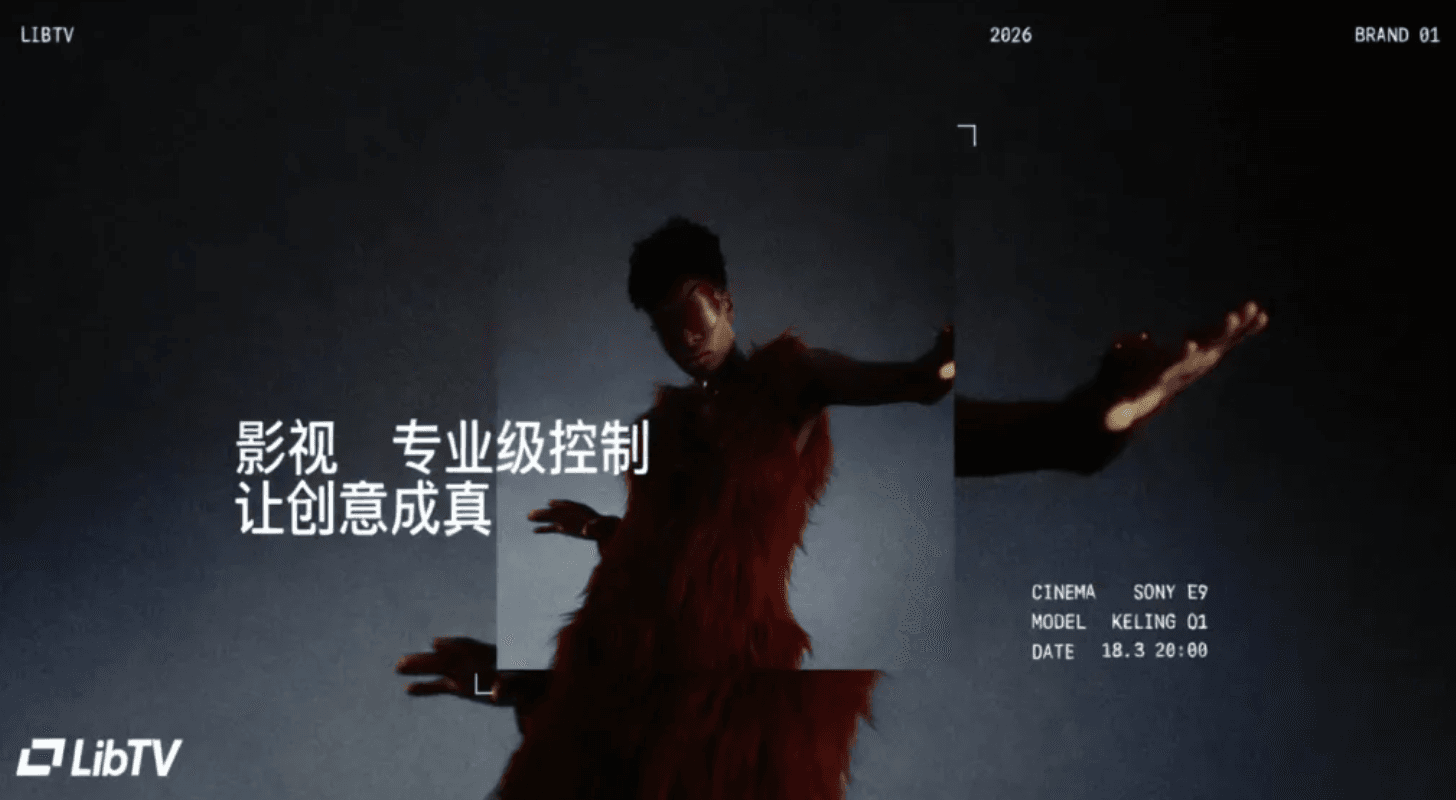
2-3min AI video clips + node workflows streamline production
30-Second TL;DR
What Changed
Integrated Seedance 2.0 for enhanced AI video production
Why It Matters
This update lowers barriers for AI video creators by speeding up production and simplifying workflows, potentially increasing adoption in content creation industries.
What To Do Next
Test LibTV's node-based workflow with Seedance 2.0 for quick multi-modal video prototypes.
Key Points
- •Integrated Seedance 2.0 for enhanced AI video production
- •Multi-modal content with 2-3 minute latency per clip
- •Node-based workflow introduced
- •Agent-driven automation for end-to-end generation
Deep Insight
AI-generated analysis for this event — not the original article.
Enhanced Key Takeaways
- •Seedance 2.0 utilizes a proprietary 'Temporal-Consistency Diffusion' architecture specifically optimized for LibTV's distributed rendering infrastructure to maintain character stability across long-form sequences.
- •The integration marks a shift in LibTV's business model from a consumer-facing video editor to an enterprise-grade API-first platform targeting automated marketing and news-aggregation workflows.
- •Early benchmarks indicate that the node-based workflow reduces manual prompt engineering time by approximately 65% compared to the previous version, allowing users to chain LLM-based script generation directly into video rendering nodes.
Competitor Analysis
- LibTV (Seedance 2.0)
- 2-3 mins
- Runway Gen-3 Alpha
- 5-10 mins
- Kling AI
- 4-8 mins
- LibTV (Seedance 2.0)
- Node-based/Agentic
- Runway Gen-3 Alpha
- Linear/Web-based
- Kling AI
- Linear/Web-based
- LibTV (Seedance 2.0)
- Enterprise Automation
- Runway Gen-3 Alpha
- Creative/Cinematic
- Kling AI
- Realistic Motion
- LibTV (Seedance 2.0)
- Usage-based API
- Runway Gen-3 Alpha
- Subscription
- Kling AI
- Token-based
| Feature | LibTV (Seedance 2.0) | Runway Gen-3 Alpha | Kling AI |
|---|---|---|---|
| Latency (per clip) | 2-3 mins | 5-10 mins | 4-8 mins |
| Workflow | Node-based/Agentic | Linear/Web-based | Linear/Web-based |
| Primary Focus | Enterprise Automation | Creative/Cinematic | Realistic Motion |
| Pricing Model | Usage-based API | Subscription | Token-based |
Technical Deep Dive
- •Architecture: Seedance 2.0 employs a hybrid Transformer-Diffusion model that separates motion vector prediction from texture synthesis.
- •Latency Optimization: Implements 'Speculative Decoding' for the underlying video generation model, allowing the system to predict subsequent frames in parallel before full diffusion refinement.
- •Agentic Framework: The node-based system utilizes a ReAct (Reasoning + Acting) pattern where autonomous agents manage prompt expansion, asset retrieval, and style consistency across nodes.
- •Infrastructure: Optimized for NVIDIA H100 clusters using custom CUDA kernels to reduce memory overhead during high-resolution (4K) upscaling.
Future ImplicationsAI analysis grounded in cited sources
Timeline
- 2025-03LibTV launches initial platform with Seedance 1.0 beta.
- 2025-11LibTV secures Series B funding to focus on enterprise automation tools.
- 2026-04LibTV officially integrates Seedance 2.0 and introduces node-based workflows.
Weekly AI Recap
Read this week's curated digest of top AI events →
Related Updates



AI-curated news aggregator. All content rights belong to original publishers.
Original source: Pandaily ↗
This is a summary, not the original. Read the source, or get the weekly briefing.
The weekly digest
One email a week. Unsubscribe anytime.