Lao Xiang Ji's IPO Failure Highlights Industry Structural Issues
💡A cautionary tale on why scaling a business model with structural flaws is unsustainable, even with massive scale.
⚡ 30-Second TL;DR
What Changed
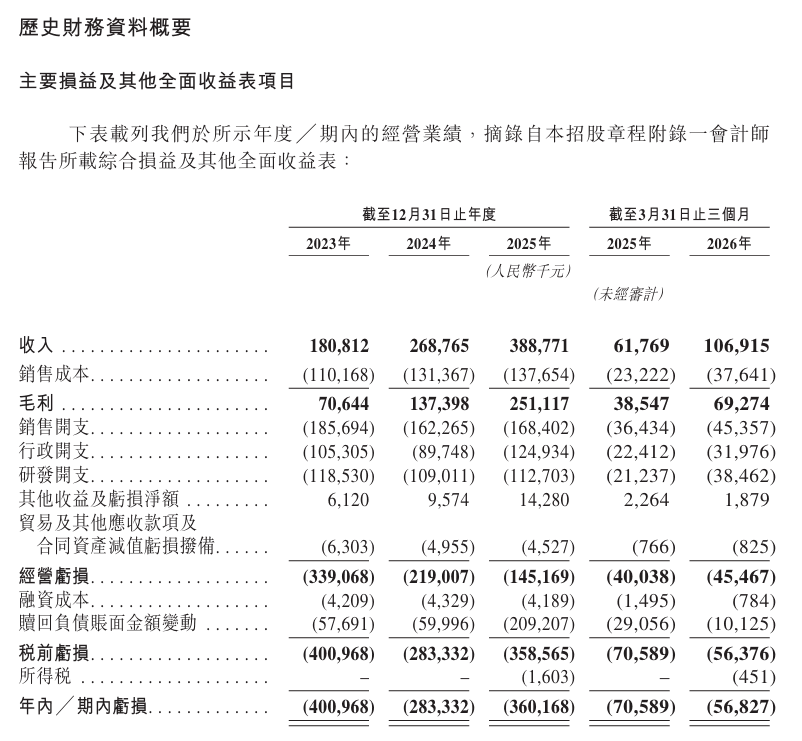
Lao Xiang Ji's revenue and profit growth have slowed significantly since 2022.
Why It Matters
This case serves as a warning for traditional retail/food companies attempting to scale through AI-driven or rapid expansion models without solving fundamental unit economics.
What To Do Next
Analyze your unit economics before scaling; ensure that your operational efficiency gains are not offset by the overhead of your business model.
Key Points
- •Lao Xiang Ji's revenue and profit growth have slowed significantly since 2022.
- •The 'full-chain' business model (farms to restaurants) is capital-intensive and suppresses profit margins.
- •Rapid expansion via franchising has exacerbated compliance risks and operational inconsistencies.
- •Capital markets are shifting focus from store count to sustainable profitability and supply chain efficiency.
🧠 Deep Insight
AI-generated analysis for this event — not the original article.
🔑 Enhanced Key Takeaways
- •Lao Xiang Ji's reliance on a centralized kitchen model has faced scrutiny from regulators regarding food safety transparency and the shelf-life management of pre-prepared ingredients.
- •The company's attempt to pivot toward a 'national brand' strategy was hindered by high logistics costs associated with maintaining fresh supply chains across non-core provinces.
- •Market analysts have identified a 'valuation mismatch' where Lao Xiang Ji sought a premium valuation based on tech-enabled retail, while investors categorized it as a traditional, low-margin catering business.
- •Internal restructuring efforts in 2025 included a significant reduction in corporate headcount and the closure of underperforming flagship stores in Tier-1 cities to improve cash flow.
- •The failure to list has triggered clauses in previous private equity agreements, forcing the company to prioritize debt repayment over further expansion.
📊 Competitor Analysis▸ Show
| Feature | Lao Xiang Ji | Country Garden Catering (Example) | Wallace |
|---|---|---|---|
| Business Model | Full-chain/Central Kitchen | Asset-light/Franchise | High-speed Franchise |
| Pricing | Mid-range | Low-range | Budget |
| Primary Constraint | High CAPEX | Quality Control | Brand Perception |
🔮 Future ImplicationsAI analysis grounded in cited sources
⏳ Timeline
Weekly AI Recap
Read this week's curated digest of top AI events →
👉Related Updates

AI-curated news aggregator. All content rights belong to original publishers.
Original source: 虎嗅 ↗
This is a summary, not the original. Read the source, or get the weekly briefing.
The weekly digest
One email a week. Unsubscribe anytime.