Labyrinth 1.1 Boosts E2E Backup Reliability
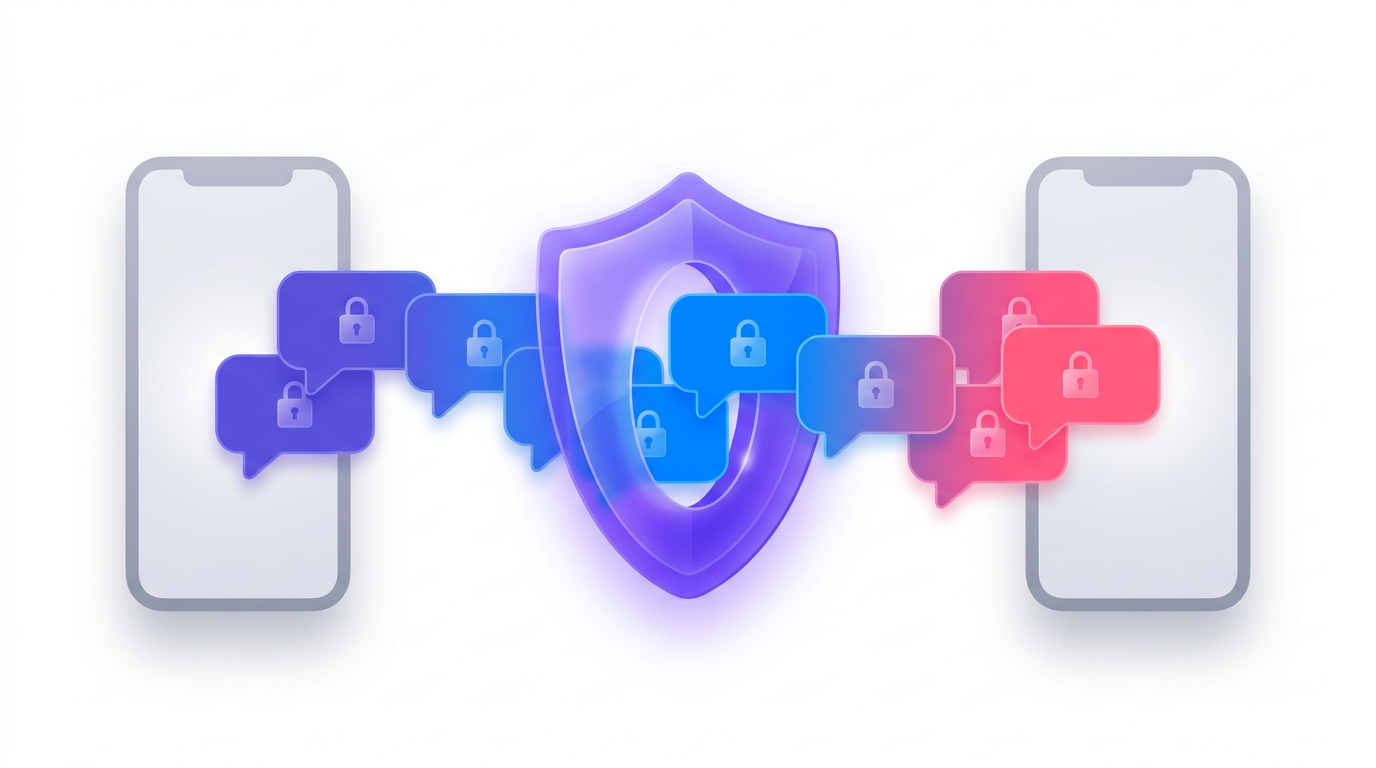
💡Meta's Labyrinth 1.1: E2E backups survive device loss—essential infra for secure AI messaging apps
⚡ 30-Second TL;DR
What Changed
Rolling out Labyrinth 1.1 for Messenger message security
Why It Matters
This update strengthens user trust in Meta's E2E encryption, potentially boosting adoption of secure messaging amid rising privacy concerns. For AI practitioners building chat applications, it offers insights into resilient backup systems.
What To Do Next
Read Meta's updated Labyrinth white paper to implement resilient E2E backups in your secure AI chat apps.
Key Points
- •Rolling out Labyrinth 1.1 for Messenger message security
- •New sub-protocol handles device loss and switches
- •Supports recovery after long sign-in gaps
- •Updated white paper available for details
🧠 Deep Insight
AI-generated analysis for this event.
🔑 Enhanced Key Takeaways
- •Labyrinth 1.1 integrates a new 'Secret Storage' mechanism that utilizes a Hardware Security Module (HSM) backed key-derivation function to mitigate risks associated with server-side key compromise.
- •The update addresses a specific vulnerability in the previous version where concurrent device state synchronization could lead to race conditions, resulting in partial message loss during rapid device switching.
- •Meta has implemented a new 'Verifiable Secret Sharing' (VSS) scheme within the protocol, allowing users to recover their backup keys across multiple trusted devices without requiring a centralized master password.
📊 Competitor Analysis▸ Show
| Feature | Meta Labyrinth 1.1 | Signal Protocol | Apple iCloud Advanced Data Protection |
|---|---|---|---|
| E2EE Backup | Yes (Proprietary) | Yes (Encrypted Local) | Yes (HSM-backed) |
| Multi-Device Sync | High (Cloud-based) | Moderate (Local-first) | High (Apple Ecosystem) |
| Key Recovery | VSS / HSM | Local Key File | Recovery Key / Trusted Contacts |
🛠️ Technical Deep Dive
- Protocol Architecture: Labyrinth 1.1 utilizes a hierarchical key structure where the root key is derived from a user-specific entropy source combined with a server-side salt, processed through Argon2id.
- Consistency Model: Employs a CRDT (Conflict-free Replicated Data Type) approach to ensure that message state across multiple devices converges to a consistent view even in the presence of network partitions.
- Recovery Mechanism: The new sub-protocol uses Shamir's Secret Sharing (SSS) to split the recovery key into shards, distributed across the user's registered devices and a secure enclave, requiring a quorum to reconstruct the key.
🔮 Future ImplicationsAI analysis grounded in cited sources
⏳ Timeline
Weekly AI Recap
Read this week's curated digest of top AI events →
👉Related Updates
AI-curated news aggregator. All content rights belong to original publishers.
Original source: Meta Engineering Blog ↗