Kenyan Court Strikes Down False Info Law
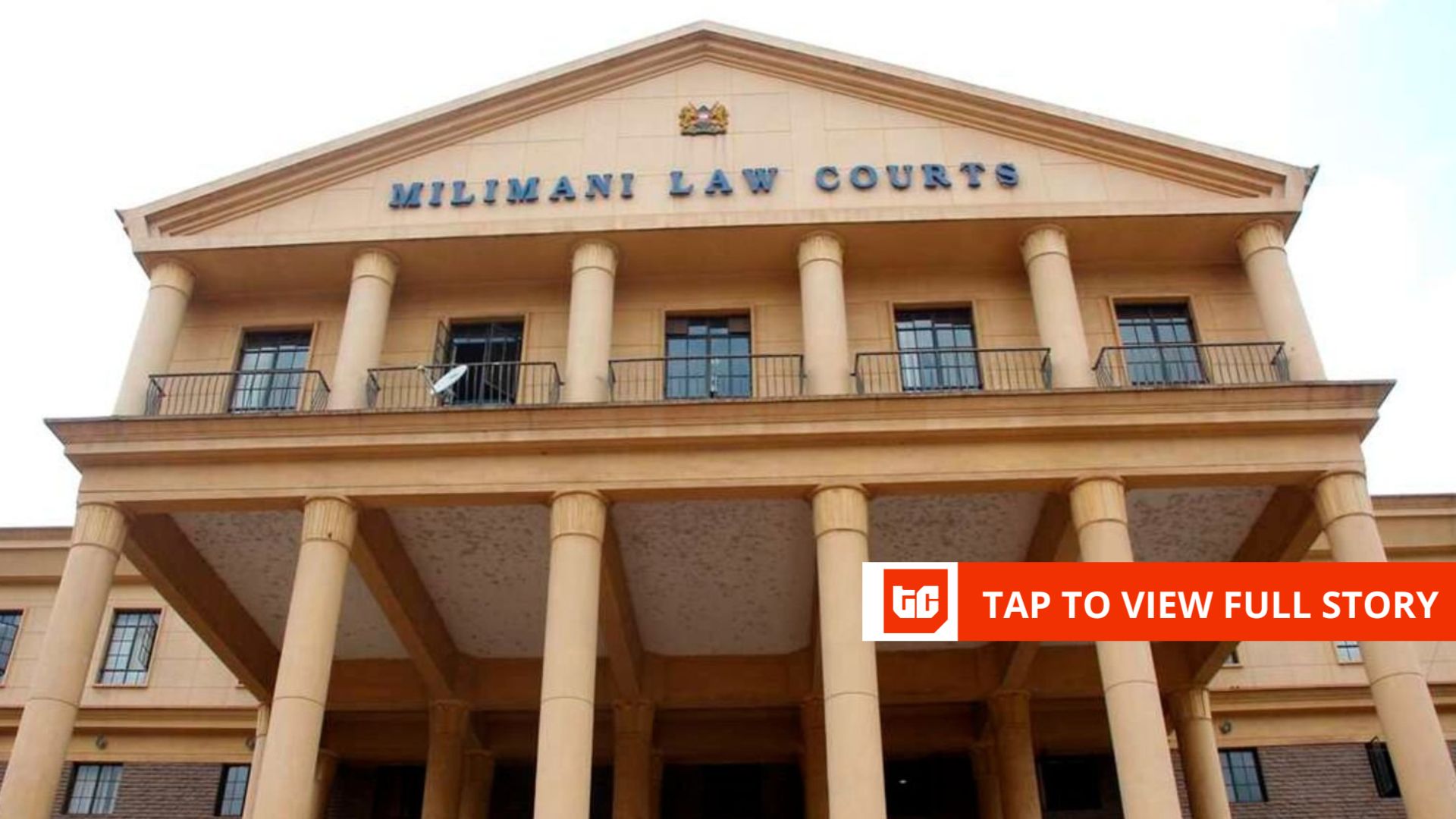
💡Kenya drops criminal penalties for online false info—key for AI content risk in Africa.
⚡ 30-Second TL;DR
What Changed
Court of Appeal struck down false information offences
Why It Matters
This ruling eliminates criminal risks for online false info in Kenya, fostering freer digital speech. AI practitioners benefit from reduced liability for generative content errors. It may however challenge misinformation controls.
What To Do Next
Review Kenya's Cybercrimes Act updates for AI content compliance.
Key Points
- •Court of Appeal struck down false information offences
- •Provisions part of Kenya's Cybercrimes Act
- •Ruling deems them unconstitutional
🧠 Deep Insight
Background and context from public sources — not the original article. 7 sources cited.
🔑 Enhanced Key Takeaways
- •The struck-down provisions, Sections 22 and 23, imposed fines up to 5 million Kenyan shillings or 10 years imprisonment for publishing false or misleading data intended to be acted upon as authentic[1][3].
- •The Cybercrimes Act was signed into law in May 2018 amid concerns over cyber attacks, despite existing laws like the Kenya Information Communication Act already addressing similar issues[3][6].
- •Civil society groups like ARTICLE 19 and Bloggers Association of Kenya challenged the Act since 2018, citing vagueness and threats to free expression, with a High Court dismissal in February 2020[1][2].
🔮 Future ImplicationsAI analysis grounded in cited sources
⏳ Timeline
📎 Sources (7)
Factual claims are grounded in the sources below. Forward-looking analysis is AI-generated interpretation.
- article19.org — Kenya Passage of Flawed Computer and Cybercrimes Act Threatens Free Expression
- jfjustice.net — Kenyan Government Using Repressive Cybercrime Law to Stifle Dissent
- africanlii.org — Kenyas New Cybercrime Law Opens the Door to Privacy Violations Censorship
- scielo.org.za — Scielo
- manwaadvocates.com — Myth vs Fact Debunking Common Misconceptions About Kenyas New Cyber Law
- freedomhouse.org — Kenya Cybercrimes Law Restricts Media Freedom
- thecommonwealth.org — Comparative Review Cybercrime Law Kenya Juxtaposing National Legislation International Treaty
Weekly AI Recap
Read this week's curated digest of top AI events →
👉Related Updates
AI-curated news aggregator. All content rights belong to original publishers.
Original source: TechCabal ↗
This is a summary, not the original. Read the source, or get the weekly briefing.
Weekly AI briefing
One email a week. Unsubscribe anytime.