JiSi Tech Shifts Marketing from 'Using' to 'Managing' AI
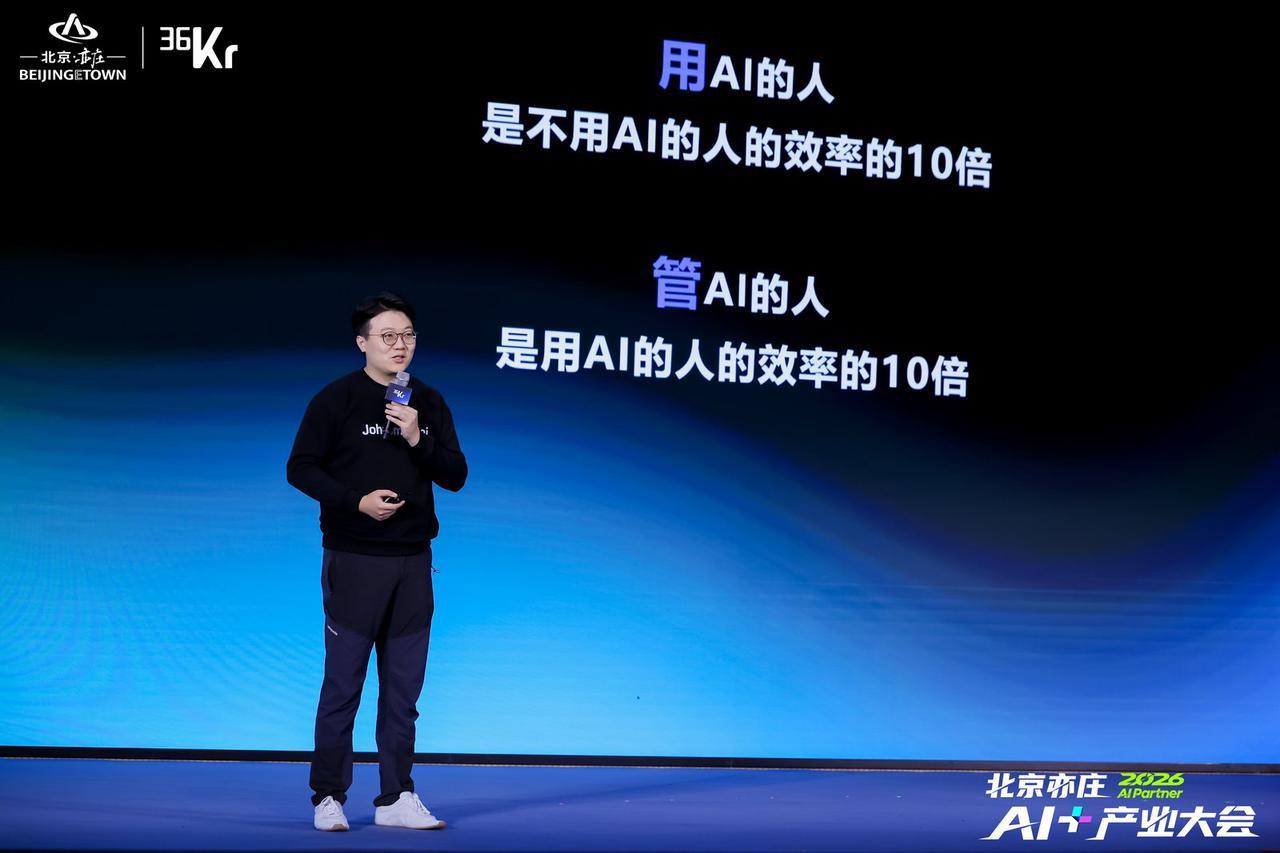
💡Discover how to move from simple AI content generation to building scalable, context-aware Marketing Agents.
⚡ 30-Second TL;DR
What Changed
Transitioning from simple AI content generation to Agent-based 'AI management' for 10x efficiency.
Why It Matters
The shift toward Agent-based marketing suggests that the future of brand communication lies in persistent, context-aware AI agents rather than one-off generated content.
What To Do Next
Start building a 'brand context' knowledge base for your AI agents to move beyond generic LLM outputs.
Key Points
- •Transitioning from simple AI content generation to Agent-based 'AI management' for 10x efficiency.
- •Successfully deployed AI digital humans for global brands like LVMH, L'Oréal, and P&G.
- •Focusing on 'context' as the core asset, allowing AI to act as a brand-specific sales agent.
- •Achieved over 6 billion GMV through AI-driven live streaming and content automation.
🧠 Deep Insight
Web-grounded analysis with 14 cited sources.
🔑 Enhanced Key Takeaways
- •JiSi Tech's transition to an Agent-based model aligns with a broader industry shift where AI agents are defined as autonomous software systems capable of planning, executing, monitoring, and optimizing multi-step marketing tasks without constant human intervention, moving beyond simple content generation.
- •The company's focus on 'context as the core asset' for brand-specific sales agents leverages the ability of advanced AI agents to carry context across various processes, enabling more intelligent, adaptive, and personalized marketing operations.
- •JiSi Tech's success with AI digital humans for global brands reflects a growing trend in retail, particularly in China, where virtual anchors can operate 24/7, respond in real-time, speak multiple languages, and significantly reduce operational costs compared to human hosts, driving substantial sales.
- •The adoption of agentic AI in marketing is projected to power up to two-thirds of current marketing activities, including automated content generation and hyper-personalized campaigns, with organizations potentially seeing 10-30% revenue growth from such initiatives.
🔮 Future ImplicationsAI analysis grounded in cited sources
📎 Sources (14)
Factual claims are grounded in the sources below. Forward-looking analysis is AI-generated interpretation.
Weekly AI Recap
Read this week's curated digest of top AI events →
👉Related Updates

AI-curated news aggregator. All content rights belong to original publishers.
Original source: 36氪 ↗