Is SaaS dead? MCP comeback in works
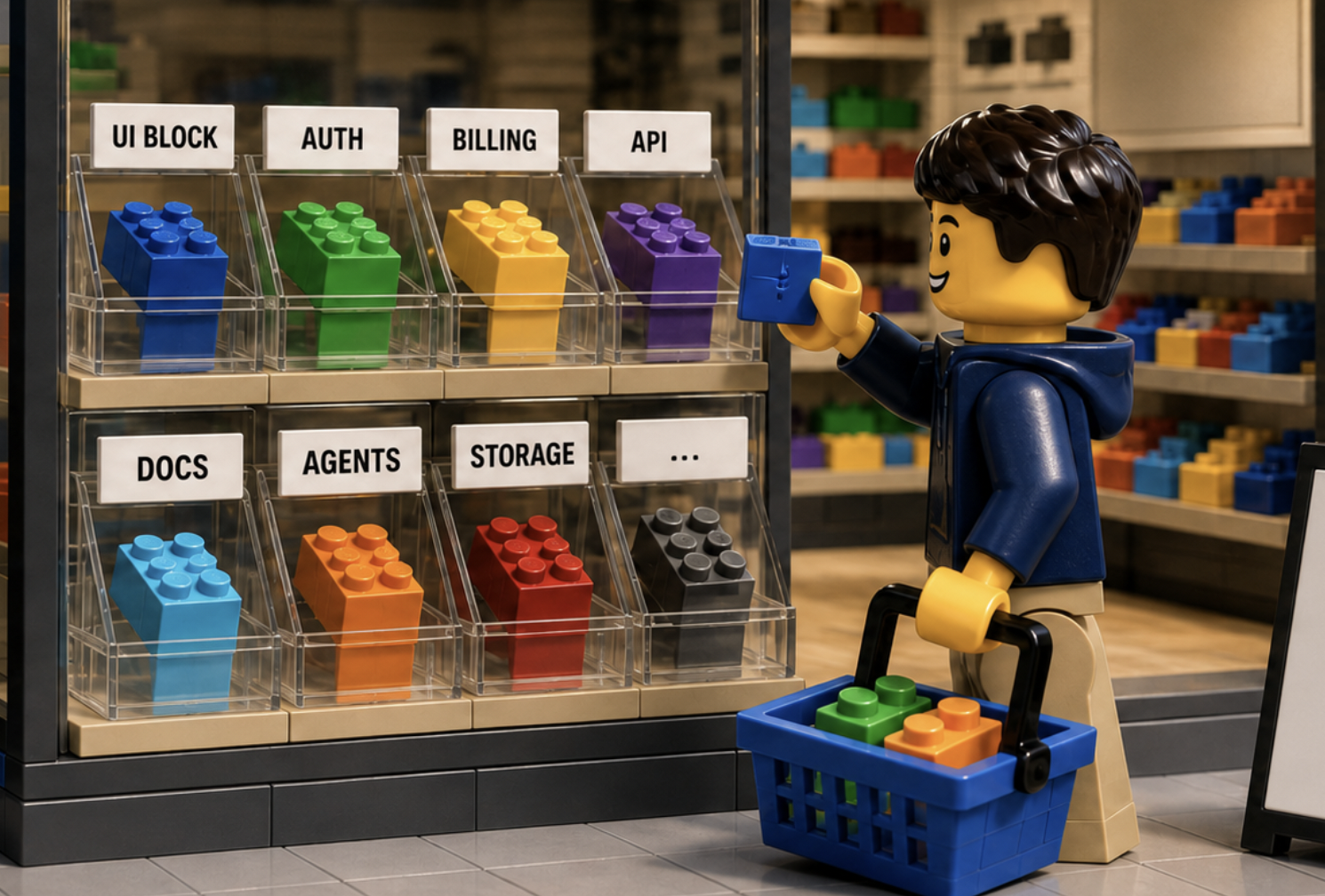
💡Understand how the Model Context Protocol might disrupt the SaaS industry and change how AI agents access data.
⚡ 30-Second TL;DR
What Changed
Traditional SaaS business models are facing existential questions
Why It Matters
If MCP gains traction, it could commoditize SaaS features by allowing AI agents to perform tasks across platforms without needing individual software subscriptions.
What To Do Next
Review the MCP specification on GitHub to understand how to expose your internal tools to AI agents.
Key Points
- •Traditional SaaS business models are facing existential questions
- •Model Context Protocol (MCP) is seeing renewed interest and development
- •The industry is shifting toward agentic workflows that require standardized data access
🧠 Deep Insight
Web-grounded analysis with 24 cited sources.
🔑 Enhanced Key Takeaways
- •The Model Context Protocol (MCP) was introduced by Anthropic in November 2024 as an open standard to address the 'N x M integration problem,' aiming to standardize how AI models connect to external tools and data sources and reduce the need for custom connectors.
- •MCP enables AI agents to access real-time data and perform actions, moving beyond the limitations of static training data by providing a standardized, two-way connection for AI applications to interact with various data sources and tools.
- •The protocol supports dynamic discovery of tools and capabilities, allowing AI clients to automatically recognize and utilize new MCP-compliant servers without requiring hard-coded access methods.
- •The rise of agentic AI and protocols like MCP is prompting a significant shift in SaaS pricing models, moving away from traditional seat-based licensing towards usage- or outcome-based approaches.
- •MCP has gained broad ecosystem support, with adoption by major AI providers like OpenAI and Google DeepMind, and its integration into products such as AutoGen Studio, Harvey AI, Agentverse, and Copilot.
🛠️ Technical Deep Dive
- MCP is an application-level protocol that utilizes JSON-RPC 2.0 messages for communication between components in multi-step AI workflows.
- It operates on a client-server architecture where the AI application functions as the client, and MCP servers provide external service data, tools, and capabilities.
- MCP servers expose three main building blocks: Resources (contextual data like files or database schemas), Tools (executable functions or API actions), and Prompts (reusable prompt templates).
- The protocol supports stateful connections and includes a capability negotiation mechanism between clients and servers to ensure consistent and reliable interactions.
- Inspired by the Language Server Protocol (LSP), MCP extends this concept to support autonomous AI workflows and includes human-in-the-loop capabilities for data provision and execution approval.
- Software Development Kits (SDKs) are available in multiple programming languages, including Python, TypeScript, C#, and Java, facilitating implementation.
- A critical security consideration is that MCP can involve arbitrary data access and code execution, and it reverses traditional client-server interaction patterns, requiring robust security models.
🔮 Future ImplicationsAI analysis grounded in cited sources
⏳ Timeline
📎 Sources (24)
Factual claims are grounded in the sources below. Forward-looking analysis is AI-generated interpretation.
- google.com
- wikipedia.org
- codilime.com
- databricks.com
- xinheyun.com
- deloitte.com
- idc.com
- nsa.gov
- modelcontextprotocol.io
- modelcontextprotocol.io
- iamdave.ai
- blackhillsinfosec.com
- medium.com
- a16z.com
- ronin.consulting
- deployflow.co
- valencesecurity.com
- cmarix.com
- microsoft.com
- jasminedirectory.com
- k2view.com
- fabrix.ai
- youtube.com
- scalekit.com
Weekly AI Recap
Read this week's curated digest of top AI events →
👉Related Updates


AI-curated news aggregator. All content rights belong to original publishers.
Original source: Ben's Bites ↗