📱Engadget•Stalecollected in 21m
Instagram Tests Optional AI Creator Labels
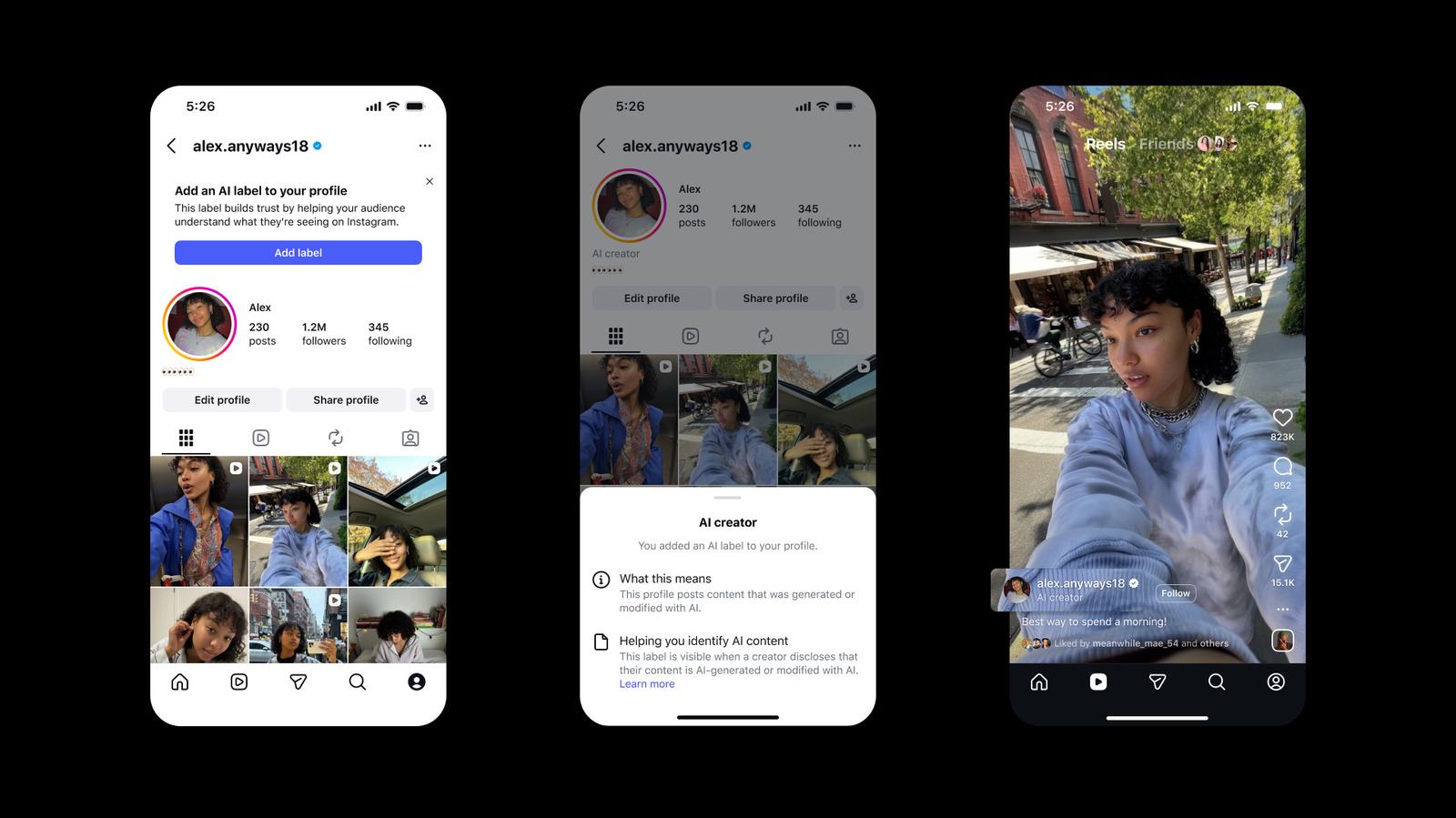
💡Instagram's optional labels encourage AI creators, signaling Meta's genAI embrace on social.
⚡ 30-Second TL;DR
What Changed
Instagram testing optional AI creator profile labels
Why It Matters
Promotes transparency in social media AI content, aiding user trust. AI creators gain a professional way to signal their work without mandates.
What To Do Next
Enable the AI creator label in Instagram profile settings if posting GenAI art regularly.
Who should care:Creators & Designers
Key Points
- •Instagram testing optional AI creator profile labels
- •Targets accounts posting GenAI content frequently
- •Encouraged but not mandatory for creators
🧠 Deep Insight
AI-generated analysis for this event.
🔑 Enhanced Key Takeaways
- •The initiative is part of Meta's broader 'AI Disclosure' framework, which aims to align with the C2PA (Coalition for Content Provenance and Authenticity) technical standards for media provenance.
- •Meta is leveraging its internal 'AI-generated' metadata classifiers to proactively identify and flag content, even if creators do not manually apply the optional labels.
- •This testing phase follows increased regulatory pressure from the EU's AI Act, which mandates transparency for AI-generated content to mitigate risks of deepfakes and misinformation.
📊 Competitor Analysis▸ Show
| Feature | Instagram (Meta) | TikTok | YouTube (Google) |
|---|---|---|---|
| AI Labeling | Optional profile labels + Auto-detection | Mandatory toggle for AI content | Mandatory disclosure for 'altered/synthetic' content |
| Provenance Tech | C2PA / IPTC metadata support | Proprietary watermarking | SynthID / C2PA integration |
| Enforcement | Proactive classifier detection | User reporting + automated flags | Automated detection + strike system |
🛠️ Technical Deep Dive
- •Implementation relies on embedding invisible C2PA metadata into image and video files during the export process from Meta's generative tools.
- •The backend utilizes a multi-modal classifier architecture trained on large-scale datasets of synthetic vs. organic media to detect non-labeled AI content.
- •The system cross-references uploaded media against known generative model fingerprints (e.g., Llama-based outputs) to verify authenticity.
- •The UI implementation uses a standardized 'AI-generated' tag overlay that is rendered client-side based on the presence of specific metadata headers in the file container.
🔮 Future ImplicationsAI analysis grounded in cited sources
Meta will transition from optional to mandatory labeling for all AI-generated content by 2027.
Increasing global regulatory requirements for transparency in synthetic media will likely render voluntary systems insufficient for compliance.
Third-party verification tools will become the primary method for users to validate Instagram content authenticity.
As Meta adopts open standards like C2PA, the ecosystem will shift toward decentralized verification rather than relying solely on platform-provided labels.
⏳ Timeline
2023-09
Meta announces commitment to develop AI watermarking and labeling tools.
2024-02
Meta begins applying 'AI-generated' labels to images created by its own AI tools.
2024-05
Meta expands labeling to include video and audio content across Facebook, Instagram, and Threads.
2025-01
Meta integrates C2PA metadata support for images uploaded to its platforms.
📰
Weekly AI Recap
Read this week's curated digest of top AI events →
👉Related Updates
AI-curated news aggregator. All content rights belong to original publishers.
Original source: Engadget ↗