Hyperscalers Lock in Costly DRAM Deals
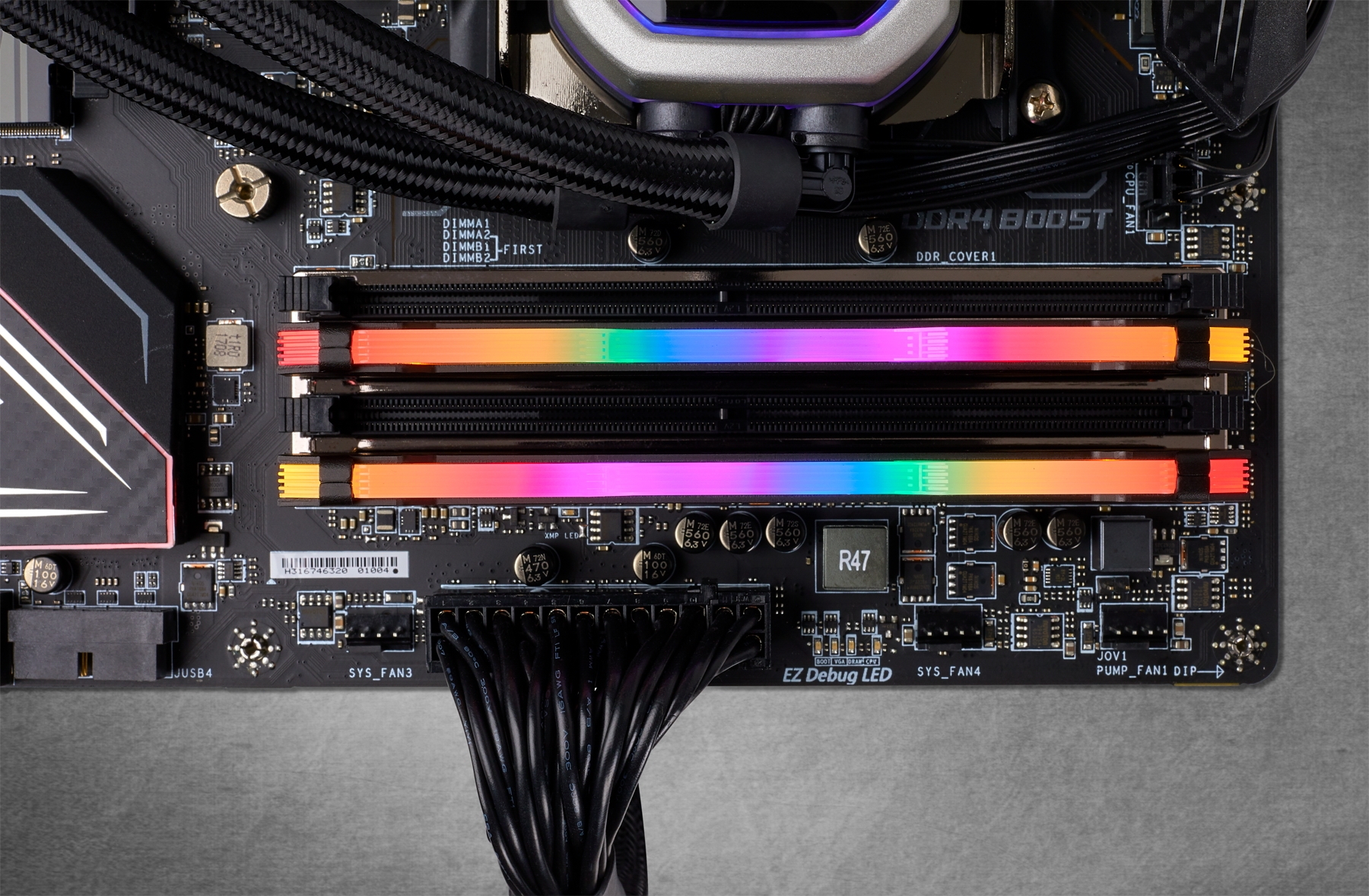
💡Cloud giants hoard DRAM—AI infra costs rise for years ahead
⚡ 30-Second TL;DR
What Changed
Google, Microsoft negotiating final DRAM long-term contracts with SK Hynix.
Why It Matters
Secures supply for AI data centers but locks in elevated memory costs, pressuring cloud budgets for training large models.
What To Do Next
Forecast DRAM cost impacts in your cloud provider negotiations for upcoming AI cluster expansions.
Key Points
- •Google, Microsoft negotiating final DRAM long-term contracts with SK Hynix.
- •Contract value reaches tens of trillions of KRW.
- •Three-year term starting this year.
- •Signals sustained high DRAM material prices.
🧠 Deep Insight
AI-generated analysis for this event — not the original article.
🔑 Enhanced Key Takeaways
- •The surge in demand is primarily driven by the integration of HBM3E and HBM4 memory modules required for next-generation AI accelerators, which are significantly more power-intensive and expensive than standard DDR5.
- •SK Hynix is prioritizing these hyperscaler contracts to secure capital for its massive investment in the M15X and M16 fab expansions, aimed at maintaining its dominant market share in the AI memory sector.
- •Industry analysts suggest these long-term agreements include 'take-or-pay' clauses, effectively insulating SK Hynix from potential cyclical downturns in the broader consumer electronics DRAM market.
📊 Competitor Analysis▸ Show
| Feature | SK Hynix | Samsung Electronics | Micron Technology |
|---|---|---|---|
| HBM Market Position | Leader (Primary AI supplier) | Challenger (Scaling HBM3E) | Niche (Focus on HBM3E/HBM4) |
| Pricing Strategy | Premium (Long-term contracts) | Competitive (Volume-based) | Value-oriented (Capacity-constrained) |
| Key Tech Focus | HBM3E/HBM4 | HBM3E/CXL | HBM3E/1-gamma node |
🛠️ Technical Deep Dive
• HBM3E (High Bandwidth Memory 3 Extended): Utilizes 12-layer and 16-layer TSV (Throughput Silicon Via) stacking to achieve bandwidths exceeding 1.2 TB/s per stack. • Power Efficiency: Implementation of MR-MUF (Mass Reflow Molded Underfill) technology to manage thermal dissipation in high-density stacks. • Interface: Optimized for integration with NVIDIA Blackwell and custom ASIC architectures, supporting high-speed data transfer protocols required for LLM training.
🔮 Future ImplicationsAI analysis grounded in cited sources
⏳ Timeline
Weekly AI Recap
Read this week's curated digest of top AI events →
👉Related Updates
AI-curated news aggregator. All content rights belong to original publishers.
Original source: cnBeta (Full RSS) ↗
This is a summary, not the original. Read the source, or get the weekly briefing.
The weekly digest
One email a week. Unsubscribe anytime.