How a Pickle Maker Built Tools with Claude
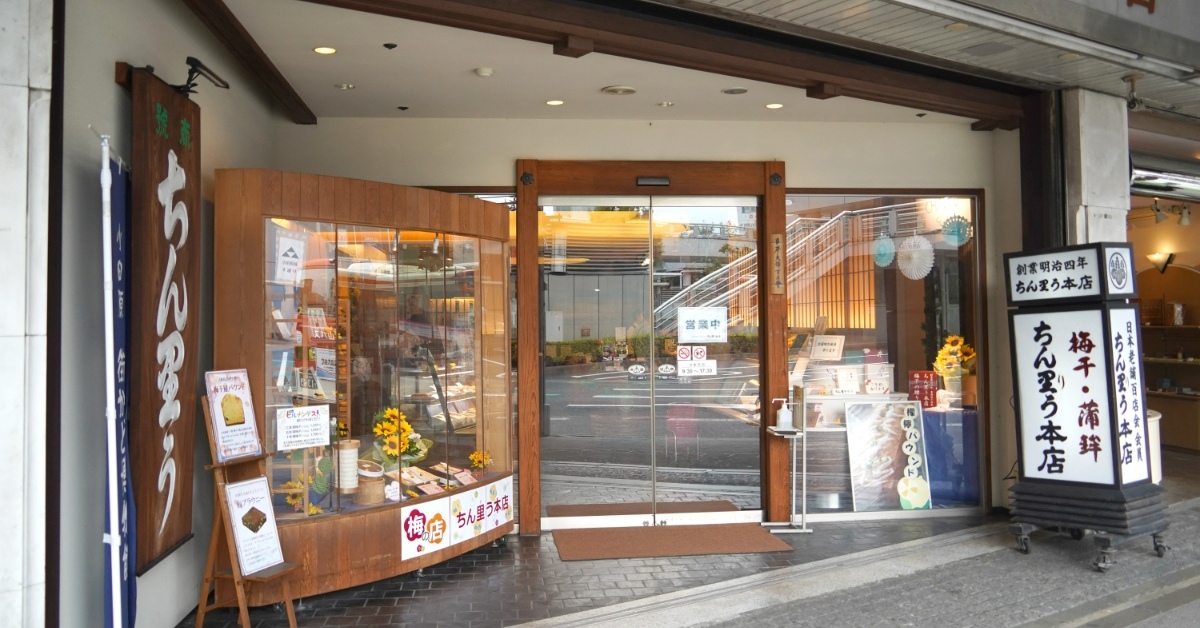
💡Learn how a traditional shop turned Claude prompts into usable tools without a conventional engineering workflow.
⚡ 30-Second TL;DR
What Changed
The shop created custom tools for umeboshi craftsmen with Claude.
Why It Matters
This example suggests that small businesses can gain operational benefits from AI without building a full engineering team. It also highlights usability and workflow fit as key factors in successful AI adoption.
What To Do Next
Use Claude to prototype one internal workflow tool through a chat-and-copy-paste process, then test it with your least technical users.
Key Points
- •The shop created custom tools for umeboshi craftsmen with Claude.
- •A chat-and-copy-paste workflow lowered the barrier to AI tool development.
- •The tools were designed for employees with limited computer skills.
🧠 Deep Insight
AI-generated analysis for this event.
🔑 Enhanced Key Takeaways
- •The pickle shop identified is 'Ishigami' (Ishigami Shokuhin), located in Minabe, Wakayama Prefecture, a region famous for Kishu Umeboshi production.
- •The specific tool developed was a 'Sales/Inventory Management System' that allows craftsmen to input data via simple chat interfaces, bypassing complex ERP software.
- •The implementation utilized Claude's Artifacts feature, which allowed the shop's non-technical staff to visualize and interact with the generated code directly in the browser.
- •Ishigami Shokuhin leveraged AI to address a severe labor shortage and the '2024 problem' in Japanese logistics, optimizing production schedules for seasonal umeboshi harvesting.
- •The project was spearheaded by internal staff who had no prior programming experience, demonstrating the efficacy of 'Natural Language Programming' in traditional manufacturing sectors.
🛠️ Technical Deep Dive
- The solution architecture relies on Claude 3.5 Sonnet, utilizing its advanced code generation capabilities to create standalone HTML/JavaScript applications.
- Data persistence is handled through browser-based LocalStorage or simple cloud-integrated spreadsheets (like Google Sheets via API), avoiding the need for a dedicated backend server.
- The UI/UX design focuses on 'Single-Page Application' (SPA) patterns generated by Claude, ensuring that the interface remains responsive and intuitive for elderly or non-tech-savvy craftsmen.
- The workflow employs a 'Prompt-to-App' methodology where the AI acts as both the developer and the documentation engine, allowing staff to modify features by simply asking the AI to update the existing code block.
🔮 Future ImplicationsAI analysis grounded in cited sources
⏳ Timeline
Weekly AI Recap
Read this week's curated digest of top AI events →
👉Related Updates


AI-curated news aggregator. All content rights belong to original publishers.
Original source: ITmedia AI+ (日本) ↗