⚛️Ars Technica•Stalecollected in 33m
Host Mini Data Center at Home for AI
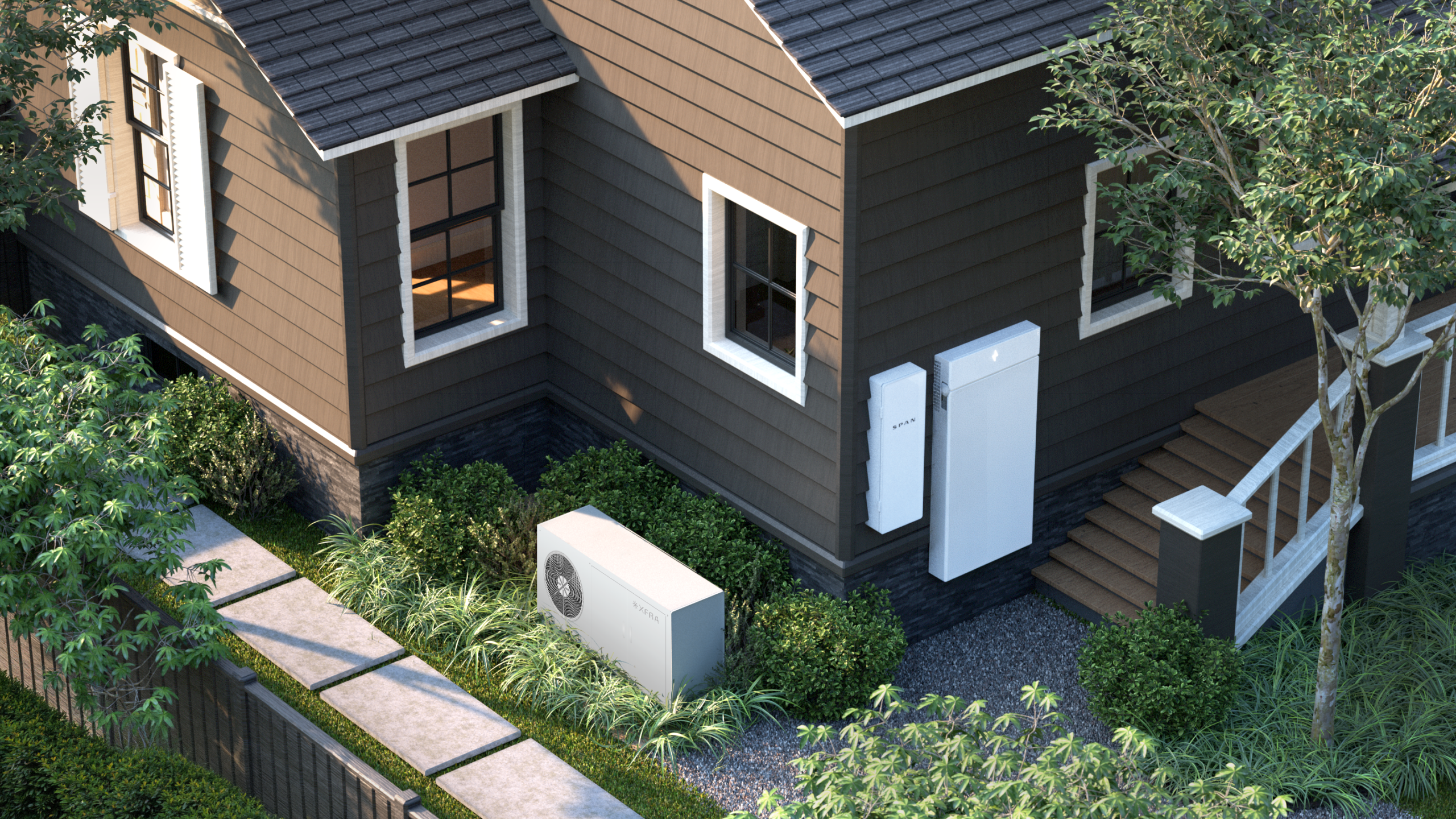
💡Home hosting for AI compute: get paid, access cheap power for training
⚡ 30-Second TL;DR
What Changed
Pitch targets homeowners for mini data centers
Why It Matters
This could decentralize AI compute, reducing cloud dependency and enabling cheaper access for practitioners. It may spawn new residential hosting markets amid AI demand surge.
What To Do Next
Research startups like Lambda or CoreWeave for residential AI compute hosting pilots.
Who should care:Founders & Product Leaders
Key Points
- •Pitch targets homeowners for mini data centers
- •Speeds up AI compute resource deployment
- •Compensates residents for hosting infrastructure
🧠 Deep Insight
AI-generated analysis for this event.
🔑 Enhanced Key Takeaways
- •The initiative leverages decentralized physical infrastructure networks (DePIN) to aggregate residential power and cooling capacity for distributed AI inference and training workloads.
- •Participating households must meet specific minimum requirements, typically including high-speed fiber internet (1Gbps+ symmetric) and dedicated electrical circuits to handle the sustained thermal load of GPU clusters.
- •The business model often involves a revenue-sharing agreement where hosts are paid in native platform tokens or fiat based on the uptime and compute cycles utilized by third-party AI developers.
📊 Competitor Analysis▸ Show
| Feature | DePIN AI Networks (e.g., io.net, Akash) | Traditional Cloud (AWS/Azure) | Residential Mini Data Centers |
|---|---|---|---|
| Deployment | Decentralized/Global | Centralized/Regional | Hyper-local/Residential |
| Pricing | Market-driven (Variable) | Tiered/Contractual | Fixed/Revenue-share |
| Latency | Variable (Network dependent) | Low (Edge nodes) | Ultra-low (Local) |
| Hardware | BYO (Bring Your Own) | Proprietary/Managed | Managed/Leased |
🛠️ Technical Deep Dive
- •Hardware nodes typically utilize high-density GPU chassis (e.g., NVIDIA H100 or L40S configurations) optimized for low-power consumption profiles.
- •Implementation relies on containerized orchestration (Kubernetes/Docker) to isolate AI workloads from the host's personal network traffic.
- •Thermal management systems often require specialized liquid cooling loops or industrial-grade HVAC retrofitting to prevent hardware throttling in residential environments.
- •Security protocols utilize Trusted Execution Environments (TEEs) to ensure that sensitive AI model weights and user data remain encrypted while residing on consumer-grade hardware.
🔮 Future ImplicationsAI analysis grounded in cited sources
Residential zoning laws will face significant legal challenges by 2027.
The transformation of private homes into commercial data centers conflicts with existing residential utility and noise ordinances.
Energy grid instability will increase in high-density adoption areas.
Residential electrical infrastructure is not designed to support the sustained high-wattage draw required by multiple AI compute nodes operating simultaneously.
⏳ Timeline
2024-03
Initial pilot programs for decentralized residential compute aggregation emerge in tech-heavy urban centers.
2025-09
Standardization of 'AI-ready' residential hardware kits begins to reduce installation complexity for non-technical homeowners.
2026-02
Major infrastructure providers announce partnerships to integrate residential nodes into enterprise-grade AI training clusters.
📰
Weekly AI Recap
Read this week's curated digest of top AI events →
👉Related Updates
AI-curated news aggregator. All content rights belong to original publishers.
Original source: Ars Technica ↗