HiLight Could Beat Pixel’s Temperature Sensor
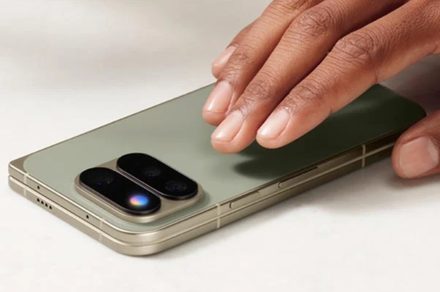
💡Google’s HiLight hints that smarter notification design may matter more than niche smartphone sensors.
⚡ 30-Second TL;DR
What Changed
Google replaced the Pixel Pro’s temperature sensor with HiLight.
Why It Matters
For AI practitioners building mobile assistants, the shift highlights the value of ambient, glanceable interfaces over adding low-frequency sensors. It could encourage more experimentation with lightweight notification systems that surface only high-priority information.
What To Do Next
Prototype a priority-based mobile notification flow that uses an LLM to summarize and rank alerts before delivery.
Key Points
- •Google replaced the Pixel Pro’s temperature sensor with HiLight.
- •HiLight uses a simpler approach to smartphone notifications.
- •The feature may address notification overload more directly than temperature sensing.
🧠 Deep Insight
AI-generated analysis for this event.
🔑 Enhanced Key Takeaways
- •HiLight is exclusive to the Pixel 11 Pro, Pro XL, and Pro Fold models, while the base Pixel 11 does not include the hardware.
- •The feature utilizes an array of RGB LEDs integrated into the camera bar's flash module to produce a diffused, ambient glow.
- •Beyond contact-based call alerts, HiLight provides visual feedback for Gemini AI, pulsing to indicate when the assistant is listening, thinking, or responding.
- •Google has confirmed that integration with the Messages app is forthcoming, though broader third-party app support remains unconfirmed.
- •The hardware shift is positioned by Google as a digital well-being tool intended to reduce screen time by allowing users to filter notifications without picking up the device.
📊 Competitor Analysis▸ Show
| Feature | Google Pixel 11 Pro (HiLight) | Nothing Phone (Glyph Interface) | Sharp AQUOS R11 (Akarium) |
|---|---|---|---|
| Implementation | Camera-integrated RGB LED array | Rear-facing programmable LED strips | Ambient notification light |
| Primary Use | Call/Gemini status indicators | System-wide notifications/timers | Ambient communication |
| Customization | Limited (Contacts/Gemini) | High (Programmable patterns) | Basic |
| Availability | Pro-series exclusive | Core brand identity | Regional (Japan) |
🛠️ Technical Deep Dive
- Hardware: Replaces the previous IR temperature sensor with an RGB LED array embedded within the camera flash module.
- Functionality: Operates when the device is placed face-down; supports color-coded presets for specific contacts and dynamic patterns for Gemini AI interactions.
- Integration: Currently limited to Phone by Google, WhatsApp, and Gemini; future updates are expected to include Google Messages.
- Design Philosophy: Designed for diffused light output rather than a point-source LED, aiming to provide subtle visual cues without requiring screen interaction.
🔮 Future ImplicationsAI analysis grounded in cited sources
⏳ Timeline
Weekly AI Recap
Read this week's curated digest of top AI events →
👉Related Updates



AI-curated news aggregator. All content rights belong to original publishers.
Original source: Digital Trends ↗