Gulf War Threatens Booming AI Data Centers
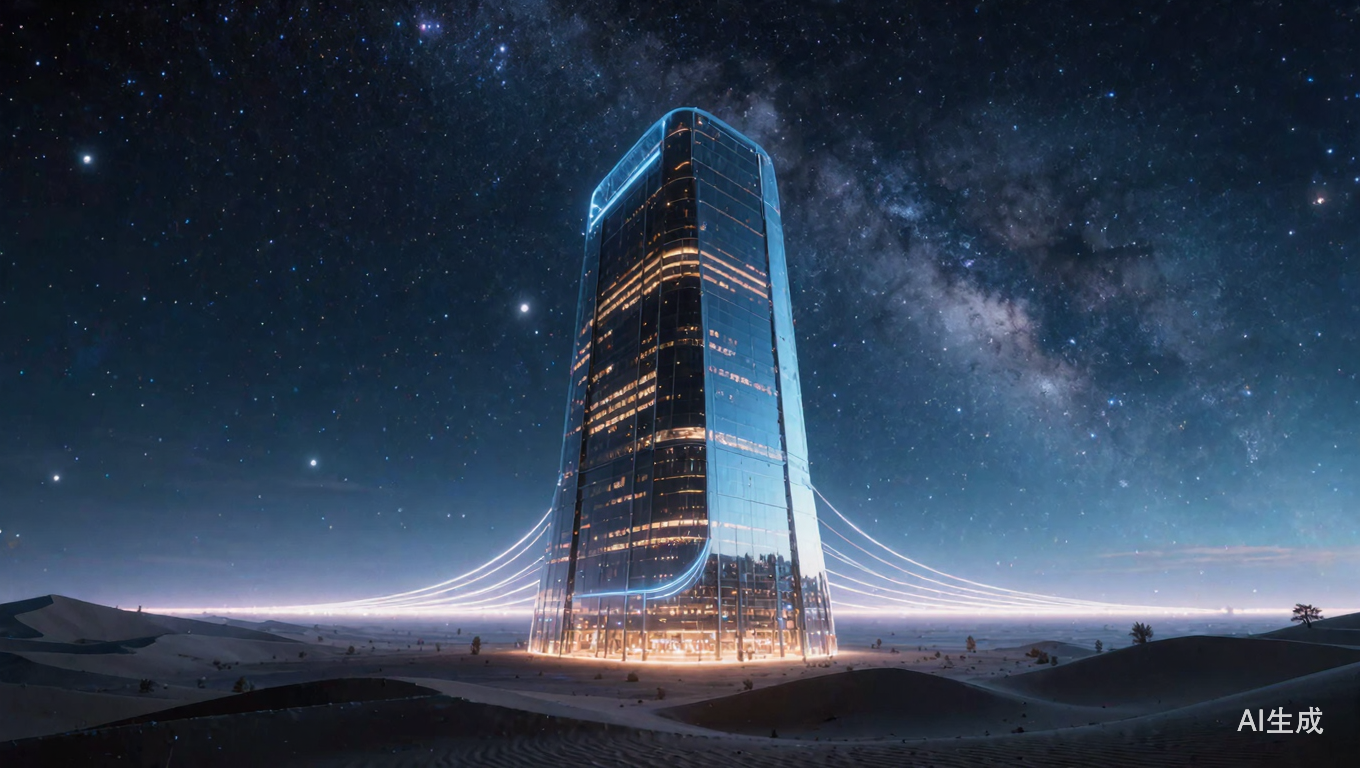
💡Gulf's 5GW+ AI DCs at war risk—could reshape global compute geography
⚡ 30-Second TL;DR
What Changed
AWS Dubai data center hit minimally, but region has only 1% global capacity now.
Why It Matters
Could shift AI compute investments away from Gulf, favoring stable regions like US/China despite cost advantages. Big Tech may hesitate on hyperscale builds amid rising geopolitical risks.
What To Do Next
Assess geopolitical risk premiums for Gulf cloud providers like G42 before contracting AI compute.
Key Points
- •AWS Dubai data center hit minimally, but region has only 1% global capacity now.
- •UAE's G42 Stargate: 5GW total, 200MW phase 1 by 2026; Microsoft $15B investment.
- •Saudi 1.9GW by 2030, $77B total; risks from missile strikes and Strait cables.
- •Advantages: cheap energy, land; drawbacks: latency, war disruptions.
🧠 Deep Insight
Background and context from public sources — not the original article. 4 sources cited.
🔑 Enhanced Key Takeaways
- •Iran has launched attacks on data centers in the UAE and Bahrain, confirming their status as strategic targets in modern warfare due to their role in powering AI capabilities[2].
- •UAE hosts approximately 35 data centers as of 2025, with 42% classified as large facilities supporting up to 5,000 servers each, driving market growth from $3.29B in 2026 to $7.7B by 2031 prior to attacks[2].
- •Conflict escalation is prompting enterprises to adopt multi-region cloud deployments as the default for mission-critical AI workloads, elevating resiliency to a board-level priority[1].
- •Semiconductor markets face upward pressure on DRAM and NAND pricing from defense demand for advanced chips in smart munitions, raising AI infrastructure costs amid tight memory supply[1].
- •Historical 2019 drone strikes on Saudi Aramco facilities disrupted half of Saudi oil production, illustrating vulnerabilities that now extend to concentrated Gulf data center infrastructure[3].
🔮 Future ImplicationsAI analysis grounded in cited sources
⏳ Timeline
📎 Sources (4)
Factual claims are grounded in the sources below. Forward-looking analysis is AI-generated interpretation.
- idc.com — Stress Testing the Digital Economy War in the Middle East and the Global It Outlook
- euronews.com — Data Centres Are the New Target in Modern Warfare During Iran War Experts Say
- csis.org — If Compute New Oil War Gulf Significantly Raises Stakes
- fierce-network.com — Iran Conflict Puts Global Data Centers Risk
Weekly AI Recap
Read this week's curated digest of top AI events →
👉Related Updates


AI-curated news aggregator. All content rights belong to original publishers.
Original source: 虎嗅 ↗
This is a summary, not the original. Read the source, or get the weekly briefing.
Weekly AI briefing
One email a week. Unsubscribe anytime.