GPUs in Base Stations? AI-RAN Debate
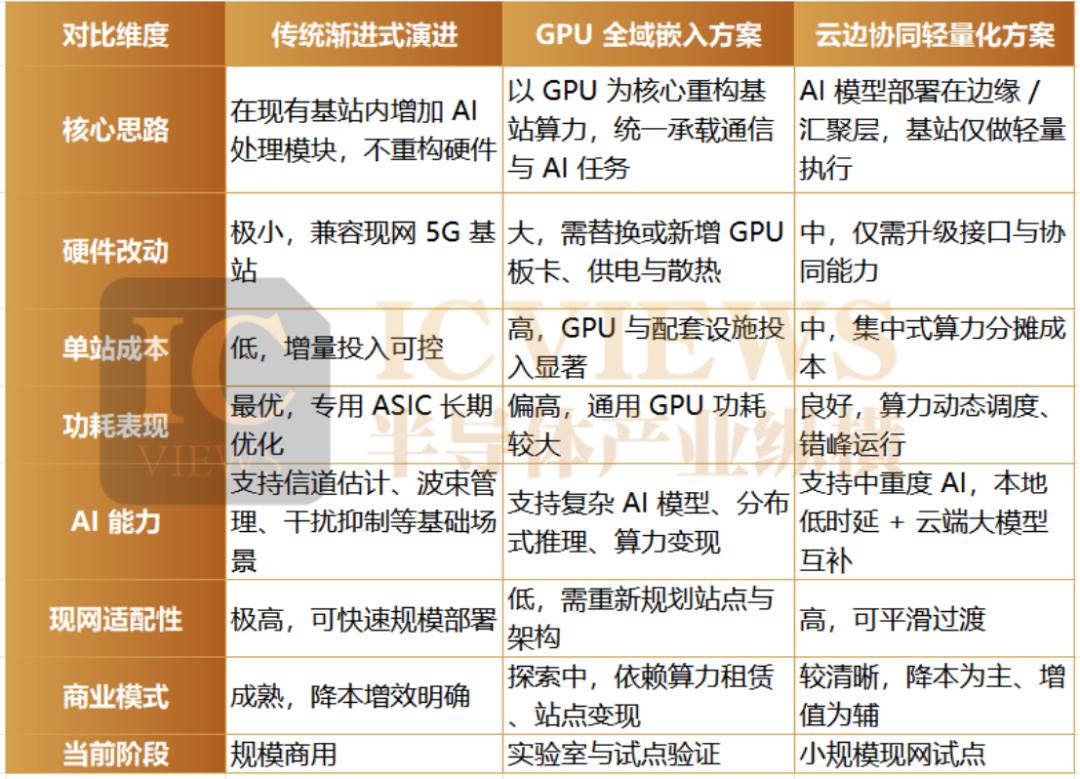
💡Does AI-RAN need GPUs in base stations? Infra shift for edge AI devs
⚡ 30-Second TL;DR
What Changed
AI descending to wireless network layers
Why It Matters
Could reshape edge AI in telecom, influencing infrastructure costs and efficiency for AI deployments.
What To Do Next
Assess GPU integration feasibility for your AI edge computing prototypes.
Key Points
- •AI descending to wireless network layers
- •Debate on GPU requirement in base stations
- •Core controversies in AI-RAN architecture
🧠 Deep Insight
Background and context from public sources — not the original article. 10 sources cited.
🔑 Enhanced Key Takeaways
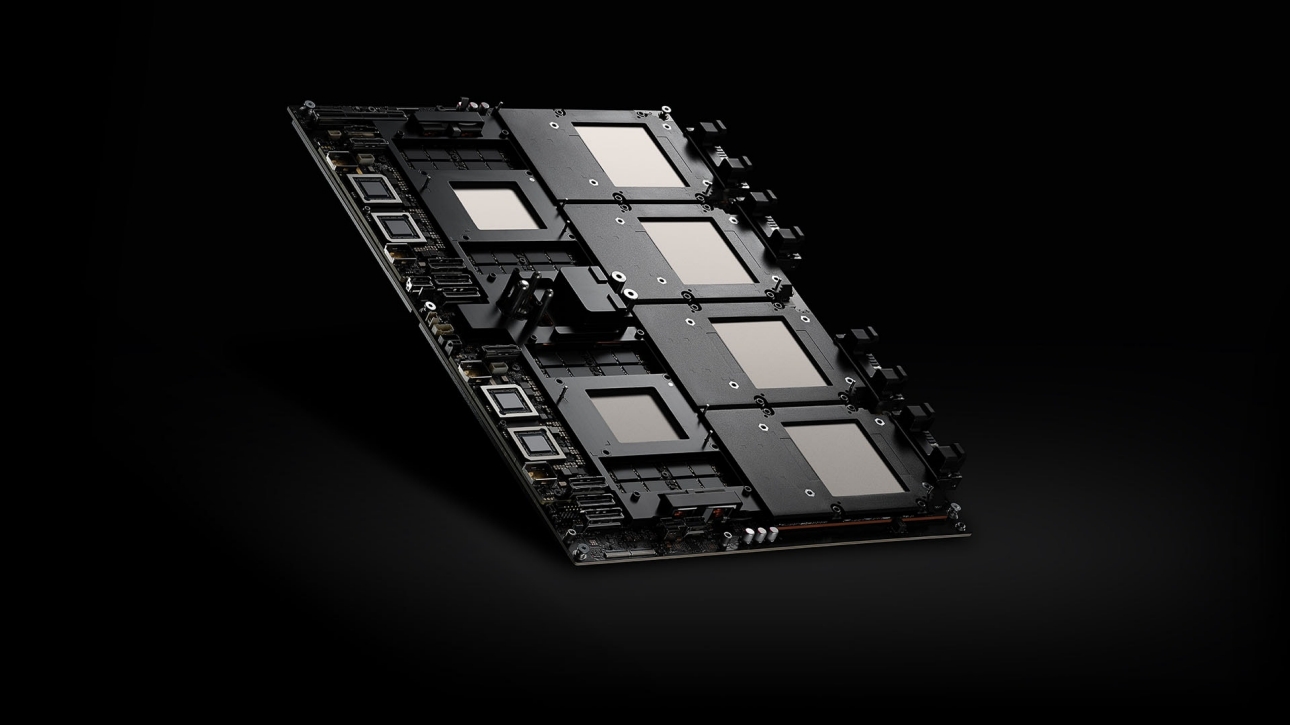
- •MSI unveiled GPU-accelerated servers like CG480-S6053 (up to 8 GPUs) and CG290-S3063 (2U edge-optimized) at MWC 2026 for unified AI-vRAN across O-RAN and private 5G[1].
- •SoftBank and Nokia's Japan experiment uses GPUs in base stations for 5G during day and third-party AI inference at night via AITRAS orchestrator[2].
- •SK Telecom demonstrated AI-RAN with Nokia and HFR, processing comms and AI on GPUs or hybrid with dedicated accelerators in real networks[4].
- •SynaXG achieved 36 Gbps throughput and <10ms latency on NVIDIA GH200 for FR2 mmWave AI-RAN with 20 component carriers[3].
🛠️ Technical Deep Dive
- •Dynamic GPU allocation in MSI and zTouch solutions shares resources between RAN and AI workloads in real-time using NVIDIA Multi-Instance GPU[1][3].
- •NVIDIA Aerial for AI-RAN includes accelerated computing platforms, software libraries for building/training/deploying AI-native wireless networks[3][5].
- •SK Telecom's AI-RAN uses real-time AI to predict CPU loads across servers for resource reallocation, enabling energy savings[4].
- •QuantaEdge EGN77C-2U integrates NVIDIA Grace CPUs and Blackwell GPUs for modular anyRAN supporting 5G-to-6G evolution[6].
- •Ericsson Cloud RAN runs on NVIDIA AI Infrastructure with selected function acceleration for AI-for-RAN tasks[8].
🔮 Future ImplicationsAI analysis grounded in cited sources
⏳ Timeline
📎 Sources (10)
Factual claims are grounded in the sources below. Forward-looking analysis is AI-generated interpretation.
- msi.com — Msi Unveils Scalable AI Ran with Nvidia AI Aerial Solutions to Accelerate 5g and Beyond at Mwc 2026 148134
- eu.36kr.com — 3713731737874567
- blogs.nvidia.com — Software Defined AI Ran
- thefastmode.com — 47338 Sk Telecom Unveils AI Ran Next Generation AI Enabled Base Station Technology
- liteon.com — Liteon Mwc 2026
- hyperframeresearch.com — Mwc26 Nokia and Nvidia Advance Blueprint for a Distributed AI Factory
- telecomreviewasia.com — 28497 Sk Telecom Successfully Develops AI Ran Next Generation Base Stations
- ericsson.com — Ericsson T Mobile Boost Portable AI Ran on Nvidia Platform
- fierce-network.com — AI Ran 2026 What Lies Ahead
- wnc.com.tw — Detail
Weekly AI Recap
Read this week's curated digest of top AI events →
👉Related Updates

AI-curated news aggregator. All content rights belong to original publishers.
Original source: 钛媒体 ↗
This is a summary, not the original. Read the source, or get the weekly briefing.
Weekly AI briefing
One email a week. Unsubscribe anytime.