📱Engadget•Stalecollected in 29m
Google-SpaceX orbital data centers eyed
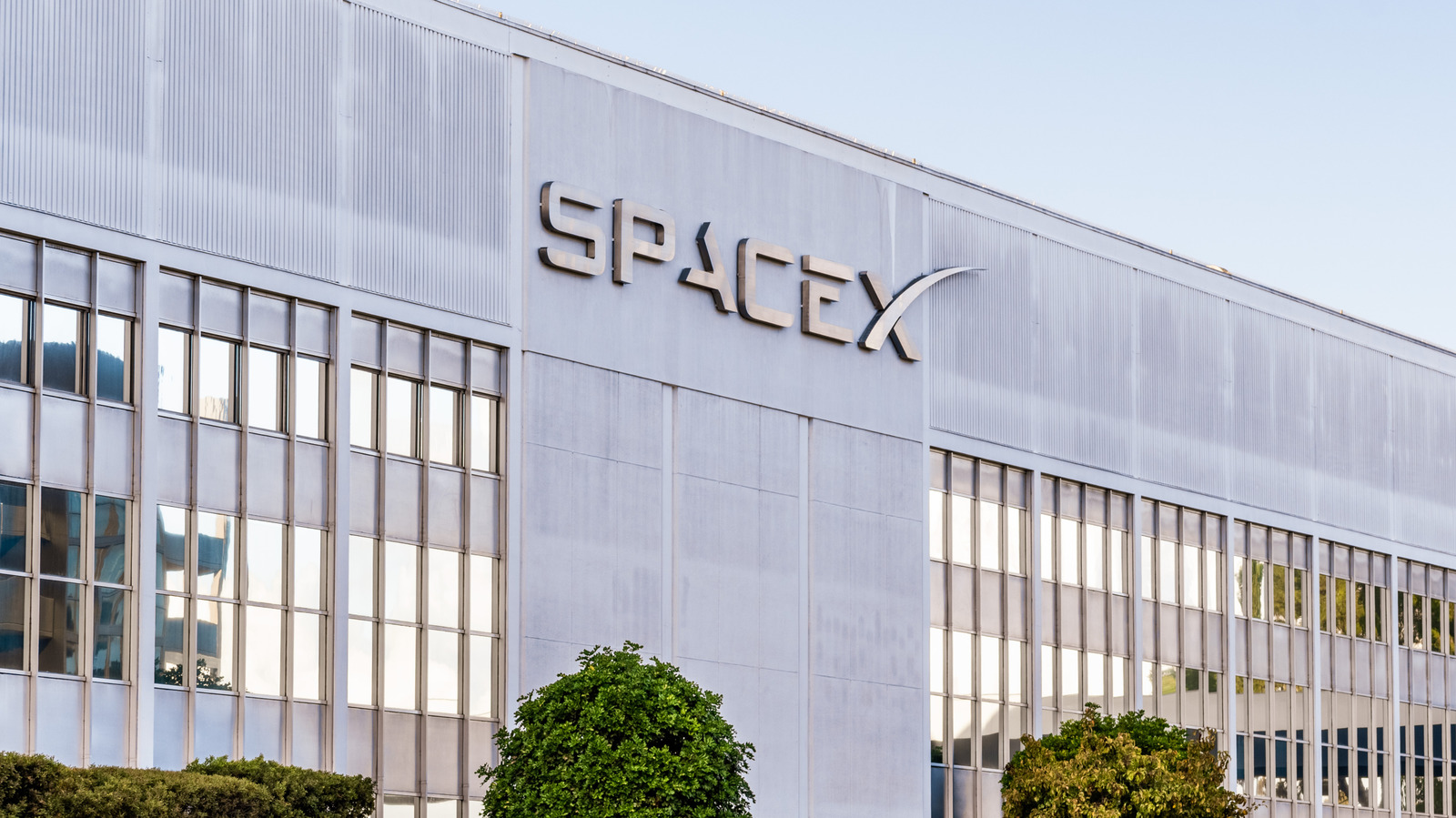
💡Google+SpaceX orbital DCs could cut AI infra costs/latency
⚡ 30-Second TL;DR
What Changed
Reported Google-SpaceX collaboration on orbit
Why It Matters
Could transform AI infrastructure with space-based compute, offering global low-latency for training massive models and easing terrestrial power limits.
What To Do Next
Assess Google Cloud Roadmap for orbital compute integration
Who should care:Enterprise & Security Teams
Key Points
- •Reported Google-SpaceX collaboration on orbit
- •Orbital data centers as focus
- •Idea in works since late 2025
🧠 Deep Insight
AI-generated analysis for this event.
🔑 Enhanced Key Takeaways
- •The initiative, internally codenamed 'Project Aether,' aims to leverage Starlink's laser-linked satellite constellation to provide low-latency edge computing for real-time AI inference in remote or maritime environments.
- •Technical feasibility studies are focusing on modular, radiation-hardened server racks designed for deployment on SpaceX's next-generation Starship platforms rather than standard Falcon 9 launches.
- •The partnership seeks to bypass terrestrial fiber-optic bottlenecks by processing data directly in orbit, potentially reducing latency for high-frequency trading and autonomous navigation systems by up to 40%.
📊 Competitor Analysis▸ Show
| Feature | Google-SpaceX (Project Aether) | Microsoft Azure Space | AWS Ground Station |
|---|---|---|---|
| Primary Focus | Orbital Edge Compute | Satellite Connectivity/Cloud Integration | Satellite Data Ingestion/Ground Station as a Service |
| Hardware | Custom Orbital Server Racks | Partner Satellite Hardware | Ground-based Antenna Networks |
| Latency | Ultra-low (In-orbit processing) | Low (Cloud-to-Satellite) | Moderate (Ground-to-Cloud) |
🛠️ Technical Deep Dive
- •Implementation of radiation-hardened, liquid-cooled server modules capable of operating in vacuum environments.
- •Integration with Starlink's optical inter-satellite links (OISLs) to create a mesh network for distributed data processing.
- •Utilization of custom Tensor Processing Units (TPUs) optimized for low-power, high-efficiency AI inference in space-constrained environments.
- •Deployment architecture relies on modular 'plug-and-play' payloads compatible with Starship's large-diameter fairing.
🔮 Future ImplicationsAI analysis grounded in cited sources
Orbital data centers will become a standard component of global telecommunications infrastructure by 2030.
The increasing demand for real-time, low-latency AI processing in remote areas necessitates moving compute resources closer to the data source, which is increasingly satellite-based.
Google will achieve a significant competitive advantage in autonomous vehicle and maritime logistics markets.
Direct orbital processing allows for near-instantaneous decision-making for assets operating outside the reach of traditional terrestrial data centers.
⏳ Timeline
2025-11
Initial exploratory discussions between Google Cloud and SpaceX engineering teams regarding orbital edge computing.
2026-02
Formalization of 'Project Aether' and commencement of radiation-hardening testing for server hardware.
2026-04
Successful simulation of data packet routing between terrestrial Google Cloud regions and prototype orbital nodes.
📰
Weekly AI Recap
Read this week's curated digest of top AI events →
👉Related Updates

AI-curated news aggregator. All content rights belong to original publishers.
Original source: Engadget ↗