Gemini API Adds Flex & Priority Tiers
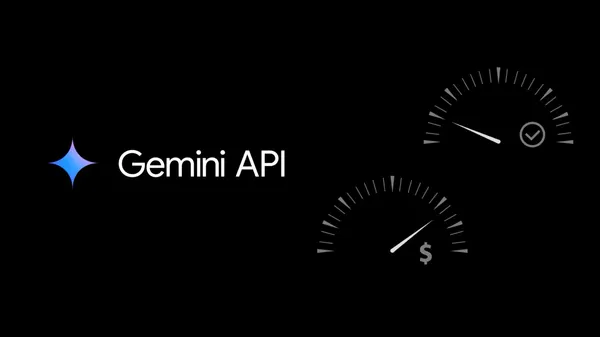
💡New Gemini tiers slash costs or boost reliability—pick your balance now!
⚡ 30-Second TL;DR
What Changed
Introduces Flex tier for cost-optimized inference
Why It Matters
Developers can now select Flex for cheaper, flexible inference on non-urgent tasks, reserving Priority for real-time needs. This could lower overall API expenses by up to 50% without sacrificing quality where critical.
What To Do Next
Test Flex tier in Gemini API console for your batch inference workloads today.
Key Points
- •Introduces Flex tier for cost-optimized inference
- •Introduces Priority tier for high reliability
- •Balances cost and latency in Gemini API
- •From Google AI Blog announcement
🧠 Deep Insight
AI-generated analysis for this event — not the original article.
🔑 Enhanced Key Takeaways
- •The Flex tier utilizes a shared resource pool with aggressive rate limiting, specifically designed for batch processing and non-time-sensitive background tasks.
- •The Priority tier provides guaranteed throughput and lower latency variance by utilizing reserved capacity, aimed at production-grade applications requiring consistent performance SLAs.
- •This tiered structure replaces the previous 'pay-as-you-go' flat rate model, allowing developers to dynamically switch tiers per request to optimize spend based on real-time workload urgency.
📊 Competitor Analysis▸ Show
| Feature | Google Gemini (Flex/Priority) | OpenAI (Batch/Standard/Reserved) | Anthropic (Standard/High Throughput) |
|---|---|---|---|
| Cost Optimization | Flex Tier (Shared) | Batch API (50% off) | N/A |
| Reliability | Priority Tier (Reserved) | Reserved Capacity | High Throughput Units |
| Latency | Variable (Flex) to Low (Priority) | Variable to Low | Variable to Low |
🛠️ Technical Deep Dive
- •Flex tier requests are routed through a multi-tenant scheduler that prioritizes throughput over latency, often resulting in longer time-to-first-token (TTFT) during peak load.
- •Priority tier requests bypass standard load balancers and are routed to dedicated inference clusters with pre-warmed model weights to minimize cold-start latency.
- •The API now supports a 'tier' parameter in the request header, allowing programmatic switching between tiers without changing the model endpoint.
- •Rate limits for the Flex tier are calculated based on a token-bucket algorithm with a significantly lower refill rate compared to the Priority tier.
🔮 Future ImplicationsAI analysis grounded in cited sources
⏳ Timeline
Weekly AI Recap
Read this week's curated digest of top AI events →
👉Related Updates
AI-curated news aggregator. All content rights belong to original publishers.
Original source: Google AI Blog ↗
This is a summary, not the original. Read the source, or get the weekly briefing.
The weekly digest
One email a week. Unsubscribe anytime.