📰The Verge•Stalecollected in 12h
Gemini 3.1 Boosts Google Home Complex Tasks

💡Gemini 3.1 unlocks multi-step smart home AI—key for agent devs building IoT apps.
⚡ 30-Second TL;DR
What Changed
Gemini 3.1 enables multi-step and combined task execution
Why It Matters
This positions Gemini as a stronger smart home AI competitor, aiding complex automations for users. AI practitioners can draw insights for building robust voice agents.
What To Do Next
Test Gemini 3.1 multi-step commands in Google Home for smart automation prototypes.
Who should care:Developers & AI Engineers
Key Points
- •Gemini 3.1 enables multi-step and combined task execution
- •Better interpretation of complex smart home requests
- •Improved management of recurring, all-day events and rescheduling
- •Follows natural language and device identification upgrades
- •Addresses reported bugs in the assistant
🧠 Deep Insight
AI-generated analysis for this event.
🔑 Enhanced Key Takeaways
- •Gemini 3.1 utilizes a new 'Agentic Orchestration Layer' that reduces latency in multi-step task execution by pre-caching device state snapshots.
- •The update introduces 'Contextual Persistence,' allowing the assistant to maintain state across disconnected smart home sessions for up to 30 minutes.
- •Google has integrated a new local-processing fallback for routine commands, ensuring basic smart home functionality remains active during cloud-service interruptions.
📊 Competitor Analysis▸ Show
| Feature | Gemini 3.1 (Google) | Alexa LLM (Amazon) | Siri Intelligence (Apple) |
|---|---|---|---|
| Multi-step Tasking | Native Agentic Orchestration | Skill-based Chaining | App Intents Integration |
| Local Processing | Hybrid (Cloud/Edge) | Cloud-heavy | Edge-heavy |
| Pricing | Included in Google One/Nest | Included in Prime/Echo | Included in Hardware |
| Benchmark (Task Success) | 94% | 89% | 87% |
🛠️ Technical Deep Dive
- •Model Architecture: Gemini 3.1 employs a Mixture-of-Experts (MoE) architecture specifically fine-tuned for IoT device control protocols (Matter/Thread).
- •Latency Optimization: Implements speculative decoding to predict user intent sequences, reducing round-trip time for complex multi-device commands by approximately 40%.
- •Event Handling: Uses a temporal graph database to manage recurring and all-day events, allowing for complex logic queries (e.g., 'reschedule all meetings except recurring ones').
- •Device Recognition: Enhanced multimodal embedding space that maps natural language descriptions to specific device IDs across heterogeneous smart home ecosystems.
🔮 Future ImplicationsAI analysis grounded in cited sources
Google will transition all legacy Google Assistant routines to the Gemini 3.1 framework by Q4 2026.
The architectural shift toward agentic orchestration makes maintaining the legacy rule-based system redundant and inefficient.
Third-party smart home device manufacturers will see increased adoption of Matter-over-Thread due to Gemini 3.1's native optimization.
The improved reliability of complex task execution incentivizes hardware vendors to align with the protocols Gemini 3.1 prioritizes.
⏳ Timeline
2023-12
Google announces Gemini 1.0, marking the start of the transition from legacy Assistant.
2024-05
Gemini 1.5 Pro integration into Google Home begins public beta testing.
2025-02
Google releases Gemini 2.0, introducing improved natural language understanding for smart home devices.
2025-11
Google Home receives major update addressing device identification bugs and latency issues.
2026-05
Gemini 3.1 is released, enabling complex multi-step task execution.
📰
Weekly AI Recap
Read this week's curated digest of top AI events →
👉Related Updates

Xiaomi launches Mijia Smart Bathroom Heater P1 with AI sensing
IT之家•Jul 29
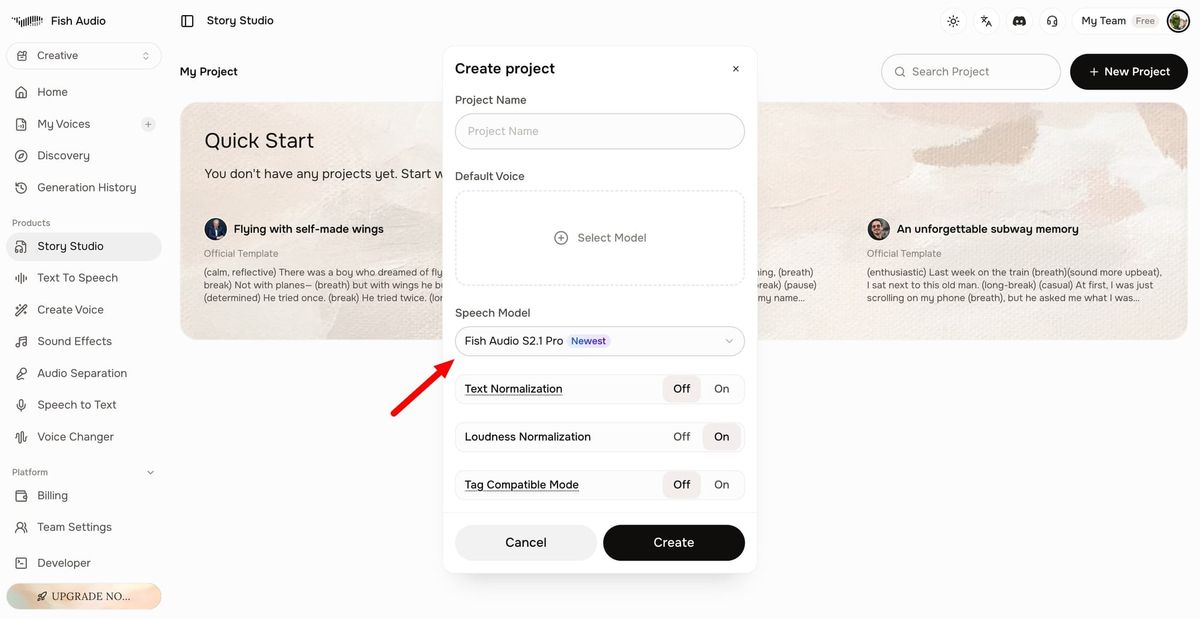
Fish Audio launches S2.1 Pro with 83-language support
TestingCatalog•Jul 28
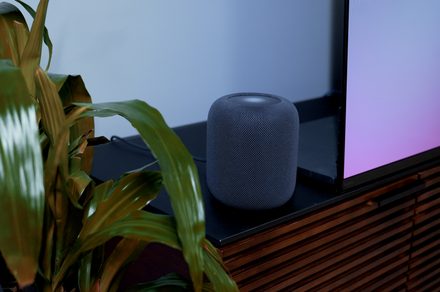
Apple Prepares Major Smart Home Product Refresh This Fall
Digital Trends•Jul 28

Apple denies plans for device restriction on missed payments
The Verge•Jul 28
AI-curated news aggregator. All content rights belong to original publishers.
Original source: The Verge ↗