Gartner: Under 20 Humanoids in Production by 2028
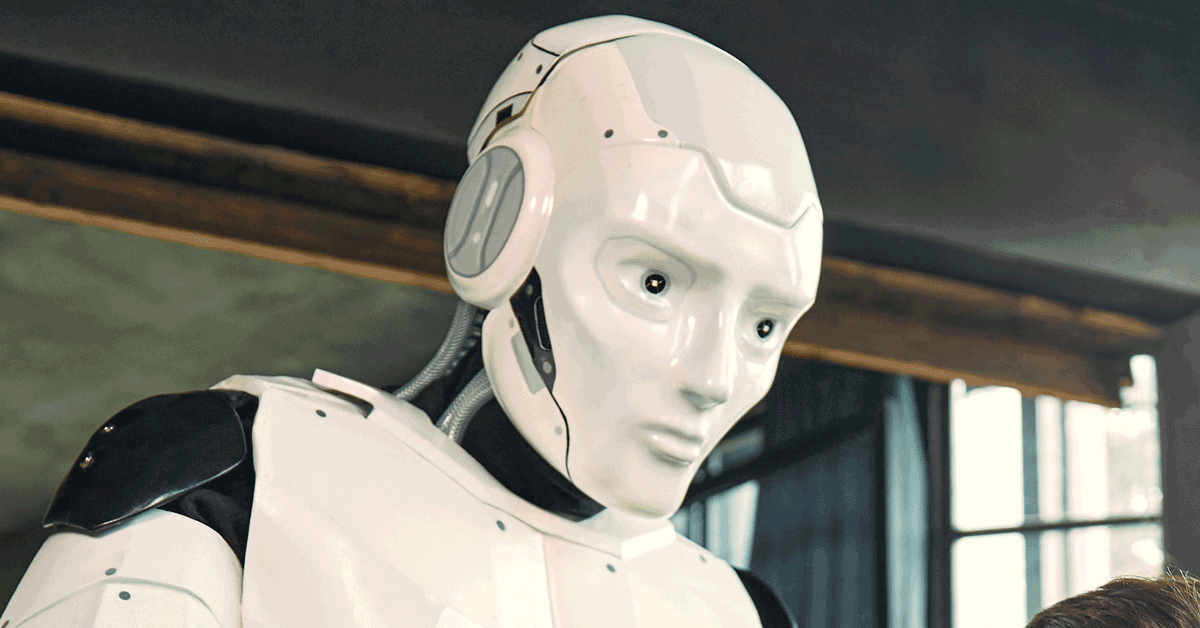
💡Gartner's reality check: humanoid boom delayed—rethink robotics investments now.
⚡ 30-Second TL;DR
What Changed
<20 companies for 2028 production deployment
Why It Matters
Dampens expectations for rapid humanoid scaling, urging focus on realistic timelines and infrastructure readiness in robotics.
What To Do Next
Download Gartner's humanoid robot forecast to adjust your physical AI roadmap.
Key Points
- •<20 companies for 2028 production deployment
- •Targets manufacturing and supply chain
- •Cautions against overhyped physical AI adoption
🧠 Deep Insight
Background and context from public sources — not the original article. 5 sources cited.
🔑 Enhanced Key Takeaways
- •Gartner forecasts fewer than 100 companies will move humanoid robots beyond proof-of-concept stage, with fewer than 20 deploying them in live production environments by 2028[1][2]
- •Humanoid robots are expected to remain restricted to highly controlled settings rather than dynamic warehouse environments, indicating limited real-world applicability[1]
- •The technology gap between humanoid robot promise and actual performance remains wide, with concerns about versatility and cost-effectiveness limiting supply chain adoption[1]
- •Despite labor shortages and rising operating costs driving interest in humanoid robots, they are not expected to serve as flexible drop-in replacements for human workers[1]
- •Industrial robotics more broadly shows steady growth potential, with entry-level automation systems starting at approximately $20,000 and advanced units reaching $107,000, suggesting humanoids represent a premium segment with adoption barriers[4]
🛠️ Technical Deep Dive
Humanoid robots designed for supply chain applications feature: AI-enabled perception systems, machine learning capabilities, integrated cameras and sensors, articulated arms for manipulation tasks, and bipedal locomotion for navigating warehouse environments[1]. However, Gartner notes these technical capabilities do not translate to operational suitability in real-world logistics settings, suggesting the gap lies not in hardware specifications but in practical deployment challenges such as reliability, integration complexity, and cost-effectiveness relative to task-specific automation solutions[1].
🔮 Future ImplicationsAI analysis grounded in cited sources
The limited adoption forecast for humanoid robots by 2028 suggests that supply chain operators will continue prioritizing task-specific automation and traditional industrial robots over general-purpose humanoid solutions. This indicates that while physical AI generates significant hype, practical supply chain innovation will likely focus on proven technologies such as warehouse gamification (predicted to reach 40% adoption in large warehouses by 2028[3]), IoT, AI-driven monitoring systems, and specialized robotics. The humanoid robot market may remain a niche experiment for controlled pilot environments rather than transforming warehouse operations at scale[1].
⏳ Timeline
📎 Sources (5)
Factual claims are grounded in the sources below. Forward-looking analysis is AI-generated interpretation.
- warehouseautomation.ca — Why Humanoids Will Stall at the Pilot Stage
- eetimes.com — Factory Humanoid Robots Discerning Fact From Fiction
- mmh.com — Warehouse Gamification Adoption Gartner 2028
- insidelogistics.ca — Report Forecasts Steady Growth in Industrial Robotics and Smart Manufacturing Investment
- supplychaindigital.com — Gartner How Labour Shortages Result in Employee Engagement
Weekly AI Recap
Read this week's curated digest of top AI events →
👉Related Updates

AI-curated news aggregator. All content rights belong to original publishers.
Original source: ITmedia AI+ (日本) ↗
This is a summary, not the original. Read the source, or get the weekly briefing.
Weekly AI briefing
One email a week. Unsubscribe anytime.