Flock Safety Tightens Controls After Surveillance Scandals
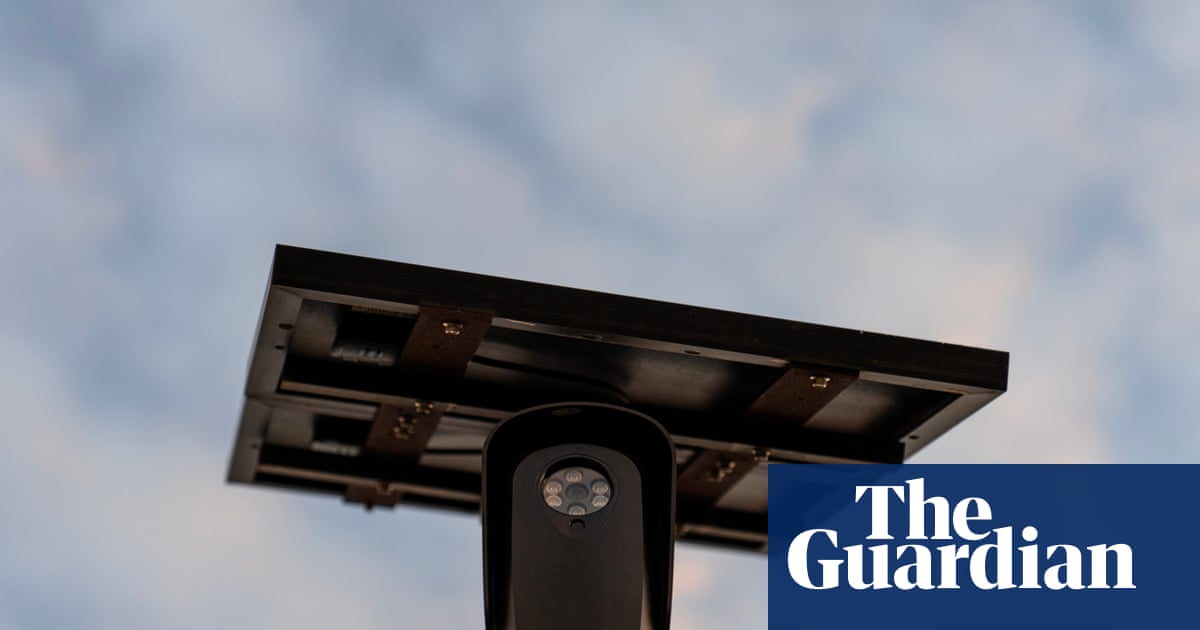
💡Flock Safety’s scandal shows why surveillance AI needs enforceable safeguards, not optional customer settings.
⚡ 30-Second TL;DR
What Changed
Flock Safety’s network supports roughly 20 billion license-plate scans each month across the US.
Why It Matters
The changes could reduce privacy and civil-rights risks for organizations using automated license-plate recognition. They also highlight the need for vendors to enforce safeguards by default rather than relying on customer configuration.
What To Do Next
Audit every automated license-plate recognition deployment and enable retention, access-control, and purpose-limitation safeguards by default.
Key Points
- •Flock Safety’s network supports roughly 20 billion license-plate scans each month across the US.
- •The company had largely left safety-control decisions to customer organizations.
- •Many customers reportedly failed to activate available safety measures.
- •The company is responding to allegations involving immigration enforcement and abortion-related surveillance.
🧠 Deep Insight
AI-generated analysis for this event.
🔑 Enhanced Key Takeaways
- •Flock Safety has introduced a 'Privacy-First' policy update that mandates stricter data retention limits, reducing the default storage period for non-hit license plate data to 30 days unless otherwise specified by local policy.
- •The company is implementing a new 'Audit Trail' feature that provides third-party oversight and transparency reports, allowing civil liberties groups to request anonymized data on how often systems are accessed for specific types of investigations.
- •Internal investigations revealed that the misuse often stemmed from 'over-sharing' agreements between law enforcement agencies, where data was accessible to unauthorized jurisdictions without Flock's direct oversight.
- •Flock Safety is deploying AI-driven 'Misuse Detection' algorithms that automatically flag anomalous search patterns, such as bulk queries or searches for vehicles not associated with active criminal investigations.
- •The company has faced increasing pressure from state legislatures, particularly in California and New York, which are considering bills that would restrict the use of private surveillance networks for cross-state reproductive healthcare enforcement.
📊 Competitor Analysis▸ Show
| Feature | Flock Safety | Motorola Solutions (Vigilant) | Rekor Systems |
|---|---|---|---|
| Core Tech | ALPR + Vehicle Fingerprinting | ALPR + Body Worn Cameras | ALPR + AI Traffic Analytics |
| Market Focus | Neighborhood/Law Enforcement | Enterprise/Public Safety | Smart City/Infrastructure |
| Data Sharing | High (Networked) | Moderate (Siloed) | Low (Data-as-a-Service) |
| Pricing Model | Subscription-based | Enterprise Licensing | SaaS/API Licensing |
🛠️ Technical Deep Dive
- Vehicle Fingerprinting: Uses computer vision to identify vehicle make, model, color, and unique modifications (e.g., bumper stickers, roof racks) rather than relying solely on license plates.
- Edge Processing: Cameras perform local inference to extract metadata, transmitting only text-based plate data and vehicle attributes to the cloud to minimize bandwidth and privacy exposure.
- Encryption: Data is encrypted at rest using AES-256 and in transit via TLS 1.3, with customer-managed keys available for high-security deployments.
- API Architecture: RESTful API integration allows real-time integration with NCIC (National Crime Information Center) databases for instant 'hot list' alerts.
🔮 Future ImplicationsAI analysis grounded in cited sources
⏳ Timeline
Weekly AI Recap
Read this week's curated digest of top AI events →
👉Related Updates

AI-curated news aggregator. All content rights belong to original publishers.
Original source: The Guardian Technology ↗