Firms hoard cash as growth options remain limited
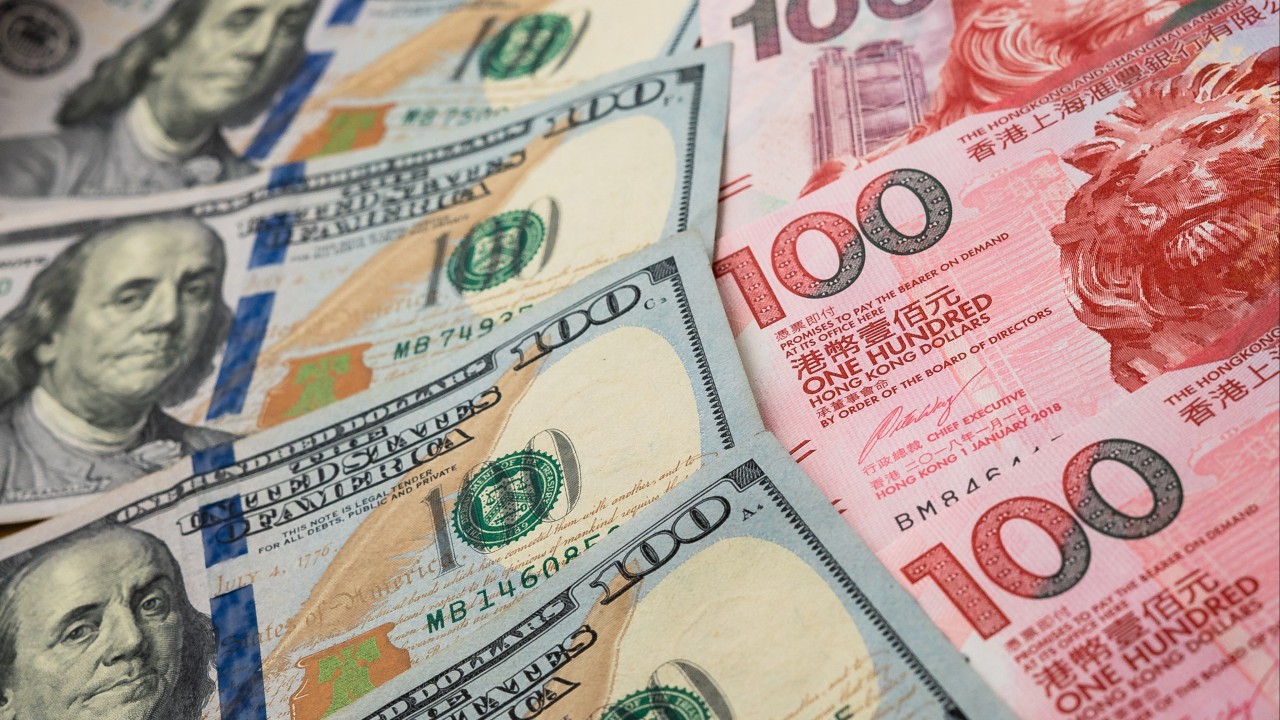
💡Understand if massive corporate cash reserves are poised to fuel the next wave of AI investment and M&A activity.
⚡ 30-Second TL;DR
What Changed
Hong Kong and mainland Chinese firms are prioritizing cash reserves over aggressive expansion.
Why It Matters
The shift toward cash hoarding suggests a potential capital injection into the AI sector if firms decide to pivot toward high-growth technology ventures to improve returns.
What To Do Next
Monitor corporate treasury reports of major tech conglomerates for signs of increased R&D or M&A activity in the AI sector.
Key Points
- •Hong Kong and mainland Chinese firms are prioritizing cash reserves over aggressive expansion.
- •Economic uncertainty is limiting viable investment opportunities in mature industries.
- •Investors are monitoring if these reserves will fuel future AI and new economy ventures.
🧠 Deep Insight
Web-grounded analysis with 19 cited sources.
🔑 Enhanced Key Takeaways
- •The cash hoarding trend is more prevalent in traditional industries in Hong Kong and mainland China, such as shipping, energy, and infrastructure, contrasting with technology firms that are actively investing in AI infrastructure.
- •Economic uncertainty in China, exacerbated by a prolonged property crisis and weak consumer sentiment, has led to a significant decrease in foreign direct investment (FDI) by 27.1% in 2024, the sharpest decline since 2008.
- •China's government is actively promoting AI investment through initiatives like 'AI+' (announced in 2024 and expanded in 2025) and the 15th Five-Year Plan (2026-2030), aiming for AI to underpin entire industrial ecosystems and become a $100 billion industry by 2030.
- •While private venture capital in China for AI fell in 2024-2025, government-linked funds and corporate investors have become more influential, particularly in capital-intensive areas like semiconductors and hardware systems, with AI deal value recovering to $10-11 billion annually in 2024 and 2025.
- •Warren Buffett's strategy of holding significant cash reserves is primarily driven by a lack of attractive investment opportunities at reasonable valuations in an overheated market, rather than a prediction of an imminent market crash.
🔮 Future ImplicationsAI analysis grounded in cited sources
⏳ Timeline
📎 Sources (19)
Factual claims are grounded in the sources below. Forward-looking analysis is AI-generated interpretation.
Weekly AI Recap
Read this week's curated digest of top AI events →
👉Related Updates
AI-curated news aggregator. All content rights belong to original publishers.
Original source: SCMP Technology ↗