Fiber Prices Surge 100%+ on AI Demand
💡AI data centers fuel 100%+ fiber price jump - infra cost warning for scalers
⚡ 30-Second TL;DR
What Changed
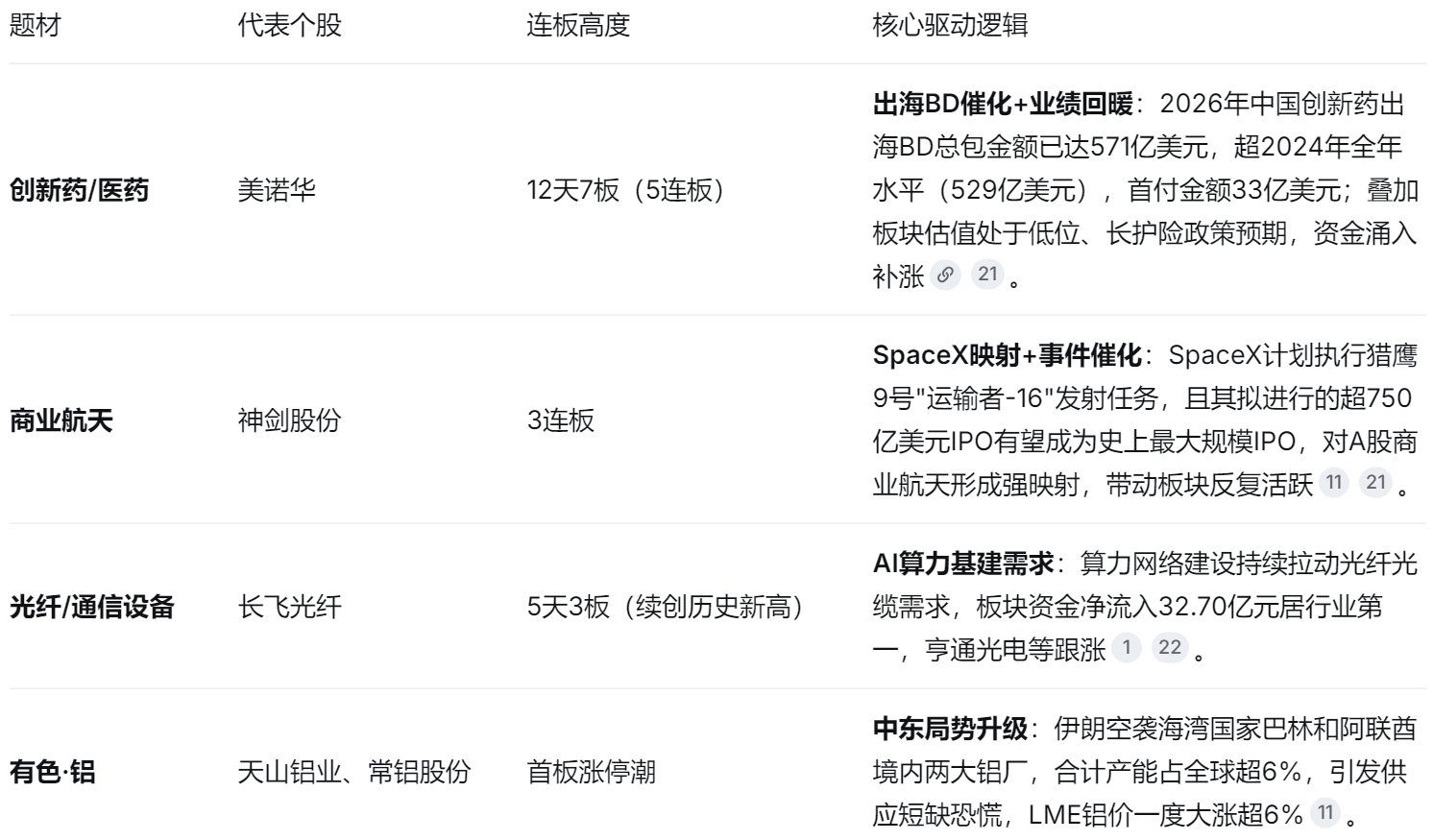
Heilongjiang Telecom: G.652.D 24-core cable 155.7元/km (+178% from 2025 Nov).
Why It Matters
Rising fiber costs signal tightening AI infra supply chains, potentially hiking data center capex for hyperscalers. Impacts scaling of GPU clusters amid global demand boom.
What To Do Next
Assess fiber optic budgeting for your next AI data center interconnect expansion.
Key Points
- •Heilongjiang Telecom: G.652.D 24-core cable 155.7元/km (+178% from 2025 Nov).
- •Guangdong Telecom: GYTA-24 core from 1245 to 2500元/km; Chongqing +60%.
- •AI clusters demand 5-10x fiber vs traditional DCs; exports up 51-69% to Americas, ME, Africa.
- •Single-mode spot prices +4x; special fiber at record highs.
🧠 Deep Insight
AI-generated analysis for this event — not the original article.
🔑 Enhanced Key Takeaways
- •The surge is exacerbated by a significant supply-side constraint: the global shortage of high-purity synthetic silica glass, a critical raw material for fiber preforms, which has seen production bottlenecks since late 2025.
- •Major Chinese fiber manufacturers are shifting production capacity away from low-margin 'Fiber-to-the-Home' (FTTH) cables toward high-margin, specialized multi-core and hollow-core fibers required for AI-driven GPU-to-GPU interconnects.
- •The price volatility has triggered a shift in procurement strategies among major Chinese telcos, moving from annual centralized bidding to quarterly or spot-market pricing models to mitigate supplier risk and ensure supply continuity.
🛠️ Technical Deep Dive
- •G.652.D Fiber: Standard single-mode fiber optimized for low water peak, now facing extreme demand for high-density data center backbone cabling.
- •Multi-core Fiber (MCF): Emerging as the primary solution for AI clusters to increase spatial multiplexing density, allowing for 5-10x higher bandwidth per square millimeter of cable cross-section.
- •Hollow-Core Fiber (HCF): Increasingly specified in ultra-low latency AI training clusters to reduce signal propagation delay by approximately 30% compared to traditional solid-core silica fibers.
- •Preform Manufacturing: The bottleneck lies in the Modified Chemical Vapor Deposition (MCVD) and Plasma Chemical Vapor Deposition (PCVD) processes, which are currently operating at maximum capacity globally.
🔮 Future ImplicationsAI analysis grounded in cited sources
⏳ Timeline
Weekly AI Recap
Read this week's curated digest of top AI events →
👉Related Updates

AI-curated news aggregator. All content rights belong to original publishers.
Original source: 虎嗅 ↗
This is a summary, not the original. Read the source, or get the weekly briefing.
Weekly AI briefing
One email a week. Unsubscribe anytime.