FAA proposes rules for quiet supersonic flights over cities
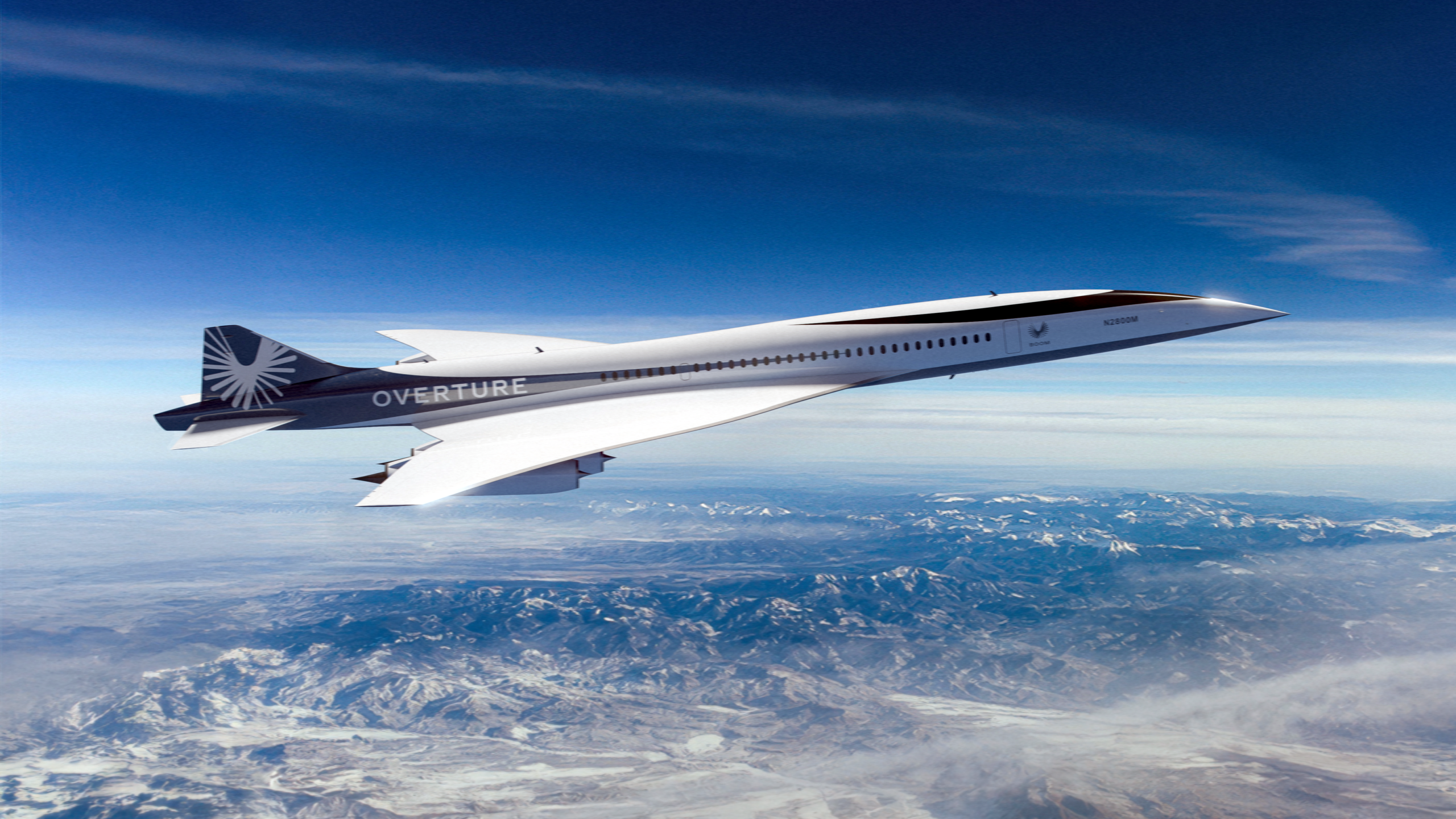
💡Regulatory changes in supersonic flight create new opportunities for AI-driven aerodynamic design and noise reduction.
⚡ 30-Second TL;DR
What Changed
FAA proposal targets the legalization of supersonic flight over land
Why It Matters
This opens a new market for aerospace startups developing low-boom supersonic technology. It signals a shift in regulatory appetite for advanced transportation innovation.
What To Do Next
Monitor the FAA's Federal Register for the public comment period to understand the technical noise thresholds required for future aerospace hardware projects.
Key Points
- •FAA proposal targets the legalization of supersonic flight over land
- •Requirement centers on eliminating the traditional sonic boom
- •Regulatory framework aims to support the commercial viability of supersonic travel
🧠 Deep Insight
AI-generated analysis for this event — not the original article.
🔑 Enhanced Key Takeaways
- •The FAA proposal specifically utilizes a noise-based certification standard rather than a speed-based one, focusing on 'perceived noise level' (PLdB) limits to define acceptable flight characteristics.
- •This regulatory shift is heavily influenced by data gathered from NASA's X-59 QueSST (Quiet SuperSonic Technology) research aircraft, which is designed to produce a 'thump' instead of a sonic boom.
- •The proposed rules include specific requirements for noise monitoring and reporting, mandating that operators prove their aircraft's acoustic signature remains below the threshold during all phases of flight.
- •Industry stakeholders, including startups like Boom Supersonic, have been lobbying for years to replace the blanket ban on supersonic flight over land—which has been in place since 1973—with a performance-based standard.
- •The FAA is coordinating these domestic rules with international bodies like ICAO to ensure that aircraft certified for quiet supersonic flight in the US can eventually operate in global airspace.
📊 Competitor Analysis▸ Show
| Feature | Boom Supersonic (Overture) | Hermeus (Quarterhorse/Halcyon) | NASA (X-59) |
|---|---|---|---|
| Primary Goal | Commercial Passenger Travel | High-Speed Defense/Cargo | Research & Sonic Boom Mitigation |
| Target Speed | Mach 1.7 | Mach 5+ | Mach 1.4 (Quiet Thump) |
| Status | Prototype/Development | Flight Testing | Flight Testing |
🛠️ Technical Deep Dive
- The core technical metric is the Perceived Noise Level (PLdB), which accounts for human hearing sensitivity to different frequencies.
- Aircraft must demonstrate a 'low-boom' signature where the shockwaves are shaped to prevent them from coalescing into a single, high-intensity boom before reaching the ground.
- Implementation requires advanced computational fluid dynamics (CFD) to design airframes that manage pressure waves, often resulting in long, slender fuselage shapes.
- The FAA framework requires flight testing over designated test ranges to validate that the acoustic signature remains consistent under varying atmospheric conditions.
🔮 Future ImplicationsAI analysis grounded in cited sources
⏳ Timeline
Weekly AI Recap
Read this week's curated digest of top AI events →
👉Related Updates
AI-curated news aggregator. All content rights belong to original publishers.
Original source: Ars Technica ↗
This is a summary, not the original. Read the source, or get the weekly briefing.
Weekly AI briefing
One email a week. Unsubscribe anytime.