Ex-TPU Engineer Reveals Nvidia Challenger
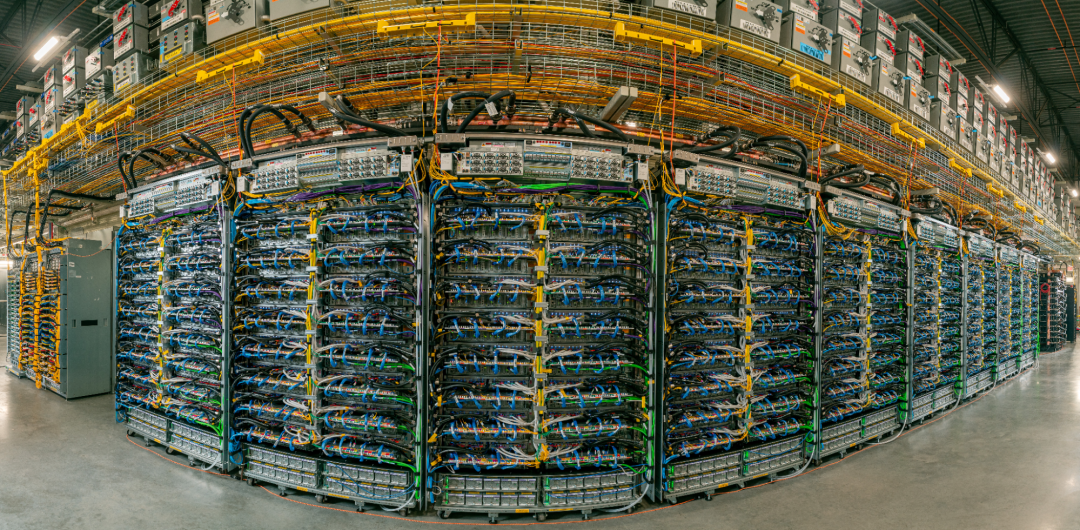
💡Deep dive: TPU beats GPU TCO on large training? Ex-engineer spills secrets
⚡ 30-Second TL;DR
What Changed
TPU optimized for matrix compute via pipeline vs GPU's multi-threaded chefs.
Why It Matters
TPU's cost edges in stable large-scale AI training could pressure Nvidia dominance as clients like Meta shift. Highlights ASIC vs versatile GPU tradeoffs in fast-evolving models.
What To Do Next
Watch Silicon Valley 101 podcast for TPU Pod optimization techniques.
Key Points
- •TPU optimized for matrix compute via pipeline vs GPU's multi-threaded chefs.
- •TPU v7 Ironwood nears GB200 specs; Pods treat thousands of chips as one.
- •Gains traction: Apple Intelligence, Anthropic Claude, Meta Llama on TPU.
🧠 Deep Insight
AI-generated analysis for this event — not the original article.
🔑 Enhanced Key Takeaways
- •The TPU v7 'Ironwood' architecture reportedly shifts from traditional systolic arrays to a more flexible 'reconfigurable dataflow' fabric to better support non-matrix operations like sparse attention and mixture-of-experts (MoE) layers.
- •Google's internal 'Jupiter' network fabric has been upgraded to support 1.6 Tbps per-port bandwidth, specifically designed to reduce the latency bottlenecks previously observed in large-scale TPU Pod training runs.
- •The 'XLA black-box' criticism is being addressed through the 'OpenXLA' initiative, which aims to provide more transparent compiler optimization hooks for third-party developers, though adoption remains limited compared to Nvidia's CUDA ecosystem.
📊 Competitor Analysis▸ Show
| Feature | Google TPU v7 (Ironwood) | Nvidia GB200 (Blackwell) | AMD MI350X |
|---|---|---|---|
| Architecture | Reconfigurable Dataflow | SIMT (Streaming Multiprocessor) | CDNA 4 (SIMD) |
| Interconnect | 3D Torus (ICI) | NVLink Switch System | Infinity Fabric |
| Software Stack | XLA / OpenXLA | CUDA / cuDNN | ROCm |
| Primary Use Case | Large-scale LLM Training | General Purpose AI / Inference | High-Performance Computing |
🛠️ Technical Deep Dive
- TPU v7 Ironwood utilizes a 3nm process node, focusing on increased SRAM density to minimize HBM-to-compute data movement.
- The architecture implements a 'Unified Memory Fabric' that allows individual chips within a Pod to access remote memory addresses with near-local latency, effectively creating a massive virtual GPU.
- The ICI (Inter-Chip Interconnect) uses proprietary optical switching technology to maintain high bandwidth across thousands of nodes without the signal degradation typical of copper-based electrical interconnects.
🔮 Future ImplicationsAI analysis grounded in cited sources
⏳ Timeline
Weekly AI Recap
Read this week's curated digest of top AI events →
👉Related Updates

AI-curated news aggregator. All content rights belong to original publishers.
Original source: 虎嗅 ↗
This is a summary, not the original. Read the source, or get the weekly briefing.
Weekly AI briefing
One email a week. Unsubscribe anytime.