Evaluating Online Payment Platforms for Small Businesses
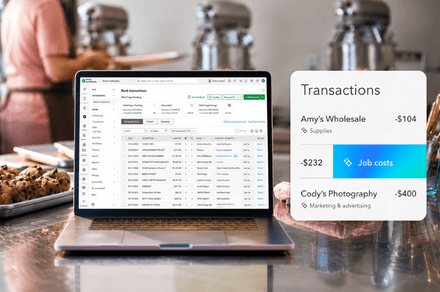
💡Understand the competitive landscape of payment infrastructure, now increasingly reliant on AI for fraud prevention.
⚡ 30-Second TL;DR
What Changed
Transaction speed is a primary differentiator for payment platforms.
Why It Matters
While not directly an AI breakthrough, the integration of AI-driven fraud detection and automated reconciliation in these platforms is becoming a standard expectation.
What To Do Next
Review your payment stack for AI-powered reconciliation features to reduce manual accounting overhead.
Key Points
- •Transaction speed is a primary differentiator for payment platforms.
- •Integration with existing accounting software is critical for business efficiency.
- •Market competition remains high among established payment processors.
🧠 Deep Insight
AI-generated analysis for this event — not the original article.
🔑 Enhanced Key Takeaways
- •The rise of 'Pay-by-Bank' and Account-to-Account (A2A) payments is reducing reliance on traditional card networks, lowering interchange fees for small businesses by up to 50%.
- •Regulatory frameworks like the EU's PSD3 and emerging Open Banking standards in the US are mandating greater interoperability between payment processors and third-party financial apps.
- •Tokenization and biometric authentication (FIDO2 standards) have become baseline security requirements, significantly reducing chargeback rates for merchants compared to legacy CVV-based verification.
- •Embedded finance models are shifting payment processing from a standalone service to an integrated feature within SaaS platforms, allowing businesses to manage cash flow directly inside their ERP systems.
- •Real-time payment (RTP) rails, such as FedNow in the US, are enabling instant settlement capabilities, effectively eliminating the 2-3 day waiting period previously standard in merchant banking.
📊 Competitor Analysis▸ Show
| Feature | Stripe | Square (Block) | PayPal | QuickBooks Payments |
|---|---|---|---|---|
| Primary Focus | Developer-first API | Retail/POS Hardware | Consumer Trust/Wallet | Accounting Integration |
| Standard Fee | 2.9% + $0.30 | 2.6% + $0.10 | 3.49% + $0.49 | 2.9% + $0.25 |
| Settlement Speed | 1-2 Business Days | Next Day | Instant (to Wallet) | Next Day |
| Best For | E-commerce/SaaS | Brick-and-Mortar | Global Freelancers | Small Biz Accounting |
🛠️ Technical Deep Dive
- Payment gateways utilize RESTful APIs with JSON payloads to facilitate secure communication between merchant servers and payment processors.
- Webhooks are implemented to provide asynchronous notifications for transaction status updates, ensuring real-time synchronization with accounting databases.
- PCI-DSS Level 1 compliance is maintained through the use of Hosted Payment Fields or iFrames, which ensure sensitive card data never touches the merchant's server environment.
- Idempotency keys are used in API requests to prevent duplicate charges in the event of network timeouts or retries.
- OAuth 2.0 is the industry standard for secure, delegated access to merchant accounts, allowing third-party accounting software to initiate transactions without storing credentials.
🔮 Future ImplicationsAI analysis grounded in cited sources
⏳ Timeline
Weekly AI Recap
Read this week's curated digest of top AI events →
👉Related Updates
AI-curated news aggregator. All content rights belong to original publishers.
Original source: Digital Trends ↗
This is a summary, not the original. Read the source, or get the weekly briefing.
The weekly digest
One email a week. Unsubscribe anytime.