European AC demand drives white goods chip growth
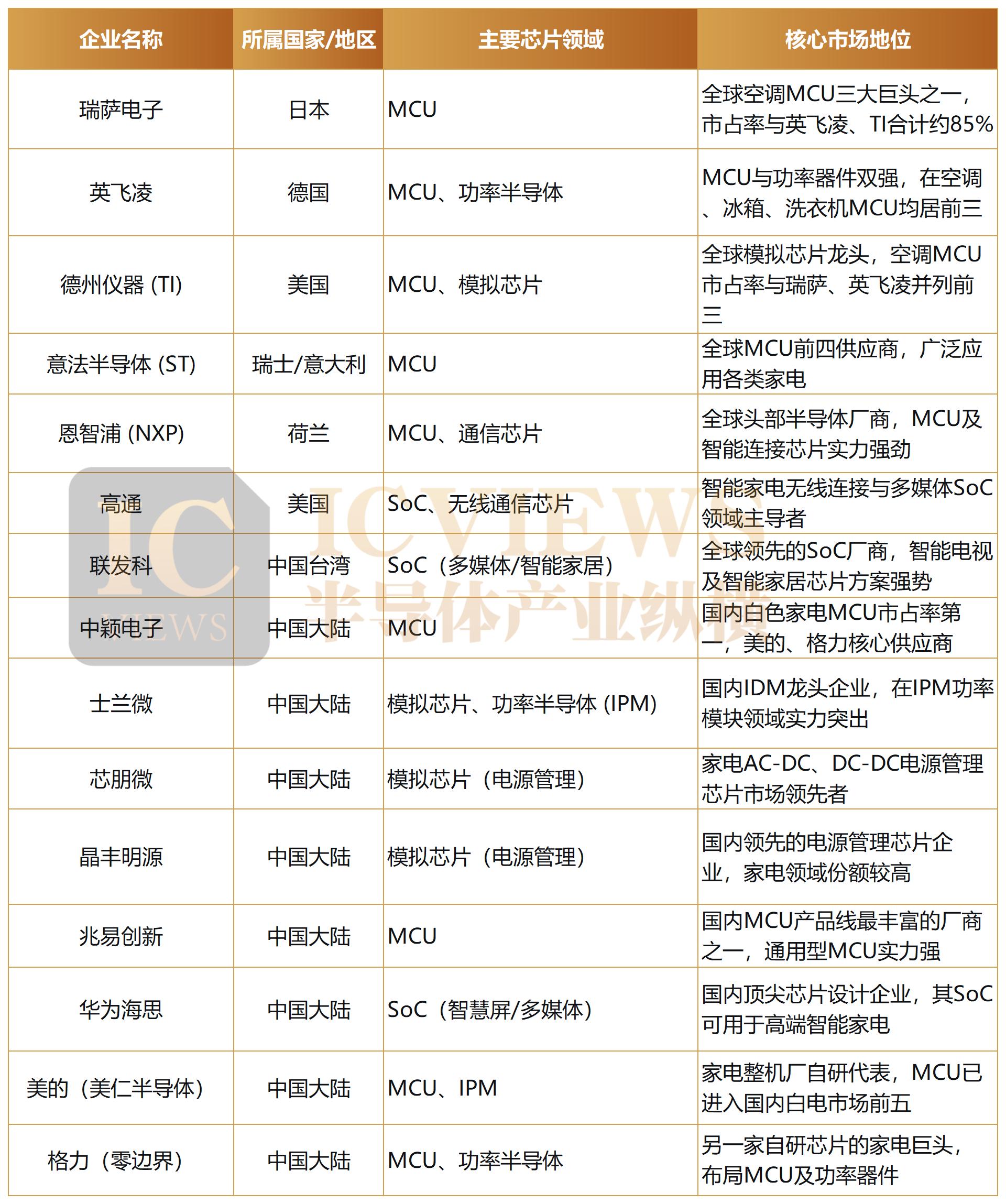
💡Understand how hardware demand in the appliance sector creates new opportunities for edge AI and chip integration.
⚡ 30-Second TL;DR
What Changed
European market experiencing a surge in air conditioning demand
Why It Matters
The growth in appliance-specific chips may lead to increased R&D investment in smart, energy-efficient control systems. This could accelerate the integration of edge AI in household appliances.
What To Do Next
Analyze the supply chain for edge-AI-ready microcontrollers (MCUs) to identify opportunities in the smart appliance market.
Key Points
- •European market experiencing a surge in air conditioning demand
- •Increased demand directly boosts the white goods chip sector
- •Supply chain expansion for specialized appliance semiconductors
🧠 Deep Insight
AI-generated analysis for this event — not the original article.
🔑 Enhanced Key Takeaways
- •European heatwaves and stricter energy efficiency regulations (such as the Ecodesign Directive) are forcing manufacturers to adopt advanced inverter-driven motor control chips to meet new SEER (Seasonal Energy Efficiency Ratio) standards.
- •The shift toward 'smart' appliances in Europe is driving demand for MCUs with integrated connectivity (Wi-Fi/Bluetooth) and edge AI capabilities for predictive maintenance and energy management.
- •Major semiconductor suppliers are increasingly prioritizing high-voltage power management ICs (PMICs) and IGBT modules specifically optimized for the 230V European power grid to improve thermal efficiency in AC units.
- •Supply chain localization efforts are intensifying as European appliance brands seek to reduce reliance on Asian semiconductor foundries, leading to increased partnerships with European and US-based chipmakers.
- •The integration of sensor fusion technology in modern AC units is becoming a key differentiator, requiring specialized analog-to-digital converters (ADCs) to process real-time environmental data for precise climate control.
🛠️ Technical Deep Dive
- Implementation of Field Oriented Control (FOC) algorithms in MCUs to optimize compressor motor efficiency and reduce acoustic noise.
- Adoption of Gallium Nitride (GaN) and Silicon Carbide (SiC) power semiconductors in inverter stages to minimize switching losses and heat dissipation.
- Integration of dedicated hardware security modules (HSM) within appliance SoCs to comply with emerging EU cybersecurity regulations for connected home devices.
- Utilization of advanced sensor interfaces for humidity and ambient temperature monitoring to enable dynamic load balancing in smart AC systems.
🔮 Future ImplicationsAI analysis grounded in cited sources
⏳ Timeline
Weekly AI Recap
Read this week's curated digest of top AI events →
👉Related Updates

AI-curated news aggregator. All content rights belong to original publishers.
Original source: 钛媒体 ↗
This is a summary, not the original. Read the source, or get the weekly briefing.
Weekly AI briefing
One email a week. Unsubscribe anytime.