🐯虎嗅•Freshcollected in 26m
Elon Musk's Early Struggles in Founding SpaceX
💡Learn how SpaceX's flat culture and vertical integration strategy enabled it to disrupt the aerospace industry.
⚡ 30-Second TL;DR
What Changed
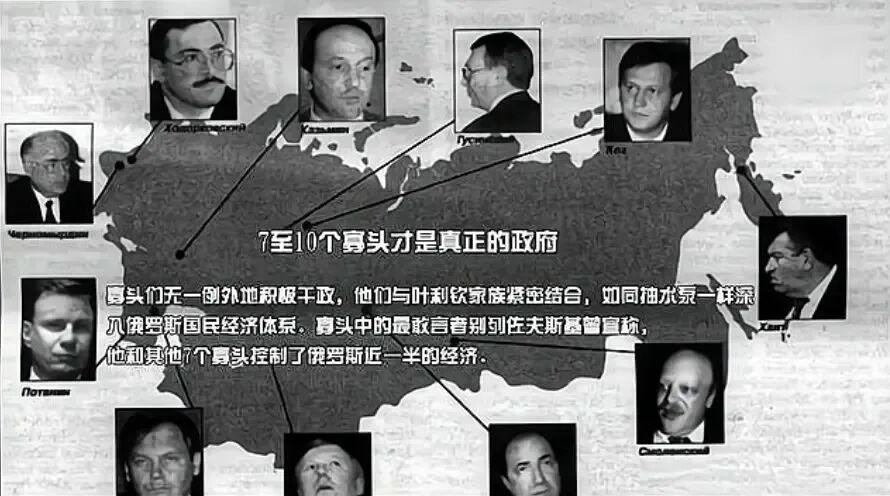
Musk's initial plan to buy Russian rockets was rejected due to pricing disputes.
Why It Matters
The SpaceX origin story serves as a blueprint for high-stakes hardware startups, emphasizing the importance of vertical integration and agile management.
What To Do Next
Review your team's decision-making processes to identify and remove bureaucratic bottlenecks that hinder rapid iteration.
Who should care:Developers & AI Engineers
Key Points
- •Musk's initial plan to buy Russian rockets was rejected due to pricing disputes.
- •SpaceX was founded on a culture of extreme flat organization and minimal bureaucracy.
- •Gwynne Shotwell was instrumental in managing commercial and government sales.
- •The company prioritized rapid iteration and direct execution over formal planning.
🧠 Deep Insight
AI-generated analysis for this event.
🔑 Enhanced Key Takeaways
- •Musk initially attempted to purchase refurbished ICBMs from Russia, specifically the Dnepr rocket, but was insulted by Russian officials who referred to him as a 'novice' during negotiations.
- •The 'Mars Oasis' project, which aimed to land a small greenhouse on Mars to stimulate public interest in space exploration, served as the primary catalyst for SpaceX's founding.
- •SpaceX's early survival was heavily dependent on the success of the Falcon 1's fourth flight in 2008, which was the company's final attempt before running out of capital.
- •The company utilized a 'vertical integration' strategy, manufacturing approximately 85% of its rocket components in-house to reduce costs and maintain control over the supply chain.
- •Early engineering challenges included the development of the Merlin engine, which used a pintle injector design—a technology previously used in the Apollo Lunar Module—to ensure reliability.
📊 Competitor Analysis▸ Show
| Feature | SpaceX (Falcon 1 Era) | Orbital Sciences (Pegasus) | Boeing/Lockheed (ULA) |
|---|---|---|---|
| Launch Cost | Low (Targeted ~$6M) | High | Very High |
| Architecture | Vertical Integration | Subcontracted | Legacy/Cost-Plus |
| Primary Market | Small Satellites | Small Satellites | Government/Heavy Lift |
🛠️ Technical Deep Dive
- Merlin 1A Engine: Used a pintle injector design for simplified manufacturing and high reliability.
- Ablative Cooling: Early Merlin engines utilized ablative cooling for the combustion chamber to reduce complexity and weight.
- Falcon 1 Structure: Primarily constructed from aluminum-lithium alloy to optimize the mass fraction.
- Avionics: SpaceX developed custom flight computers and software in-house, moving away from expensive, radiation-hardened legacy hardware.
🔮 Future ImplicationsAI analysis grounded in cited sources
SpaceX will maintain its dominance in the launch market through Starship's full reusability.
The transition to a fully reusable architecture drastically lowers the cost per kilogram to orbit, creating an insurmountable economic barrier for competitors relying on expendable rockets.
Vertical integration will remain the core driver of SpaceX's profit margins.
By controlling the entire manufacturing stack, SpaceX avoids the 'vendor tax' and supply chain delays that plague traditional aerospace contractors.
⏳ Timeline
2002-03
SpaceX is officially founded by Elon Musk.
2006-03
First flight of the Falcon 1 rocket occurs, resulting in a failure shortly after launch.
2008-09
Falcon 1 successfully reaches orbit, becoming the first privately developed liquid-fuel rocket to do so.
2008-12
SpaceX secures a $1.6 billion NASA Commercial Resupply Services contract.
2010-06
First successful launch of the Falcon 9 rocket.
📰
Weekly AI Recap
Read this week's curated digest of top AI events →
👉Related Updates
AI-curated news aggregator. All content rights belong to original publishers.
Original source: 虎嗅 ↗