Source钛媒体•Stalecollected in 13m
E-Waste Memory Outvalues Gold in 100 Days
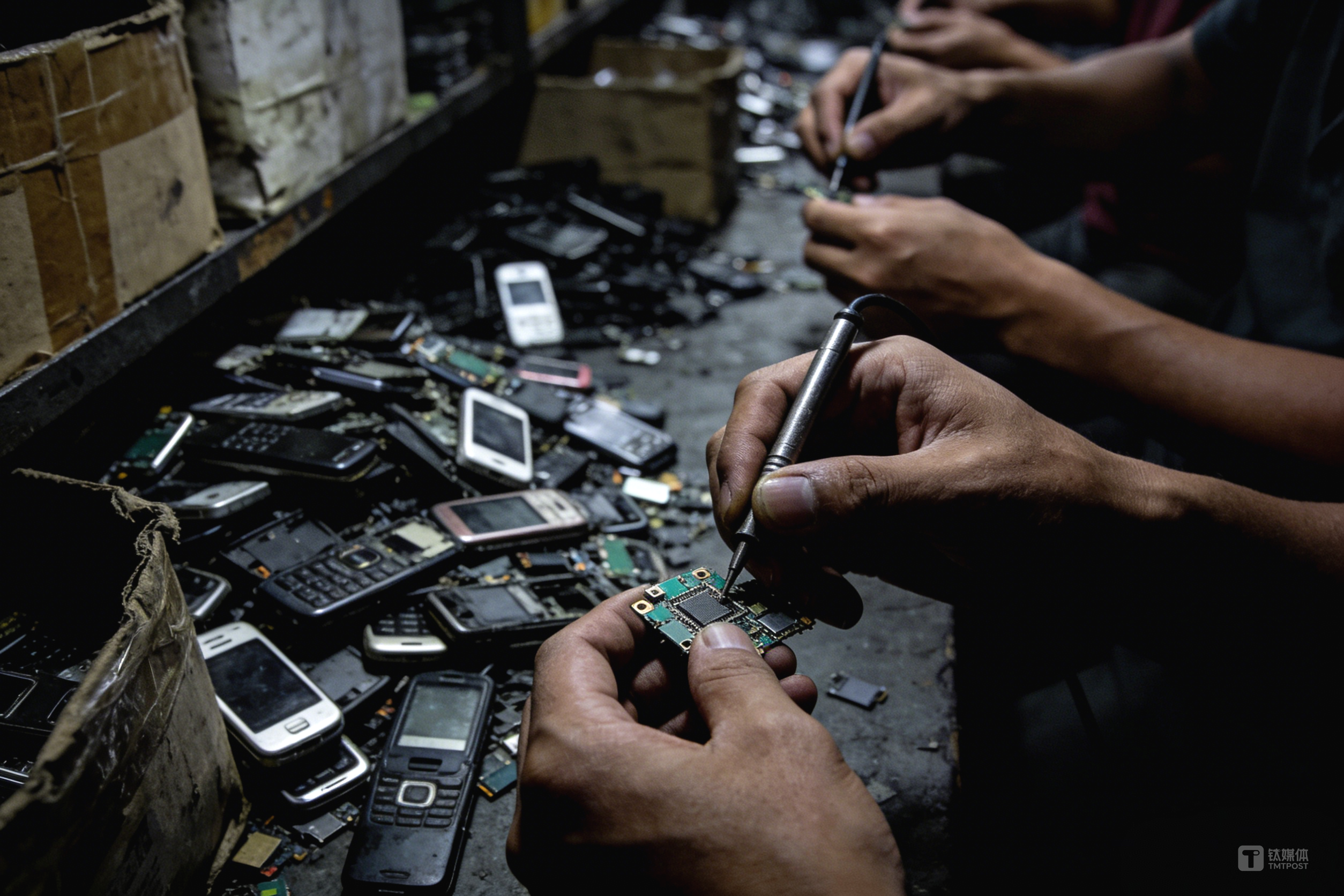
#memory-shortage#e-waste#hardware-supplyserver-memory
💡Memory > gold in e-waste rush—hints at AI infra supply crunch ahead.
⚡ 30-Second TL;DR
What Changed
E-waste collectors invade 2026 rural markets
Why It Matters
Rising memory values from recycling could ease AI training hardware costs. Watch for supply chain shifts affecting GPU server builds.
What To Do Next
Track secondary memory markets via Alibaba or Taobao for AI server procurement deals.
Who should care:Enterprise & Security Teams
Key Points
- •E-waste collectors invade 2026 rural markets
- •Memory in scrapped machines exceeds gold value
- •100-day 'wild west' frenzy for hardware
- •Signals persistent memory supply shortages
🧠 Deep Insight
AI-generated analysis for this event — not the original article.
🔑 Enhanced Key Takeaways
- •The surge in e-waste reclamation is driven by a critical shortage of legacy DRAM and NAND flash chips, which are essential for maintaining aging industrial control systems and legacy infrastructure that cannot be easily upgraded to modern architectures.
- •Chinese government regulators have initiated a crackdown on 'informal' e-waste processing centers, citing environmental hazards and the lack of standardized data destruction protocols during the extraction of high-value memory components.
- •The '100-day frenzy' has led to a significant spike in the price of refurbished enterprise-grade SSDs and server RAM modules, creating a secondary market where used components are now trading at a premium over their original MSRP.
🔮 Future ImplicationsAI analysis grounded in cited sources
Increased adoption of 'Design for Disassembly' standards.
Manufacturers will likely integrate modular hardware designs to facilitate easier component recovery as a hedge against future supply chain volatility.
Rise of specialized 'Chip Harvesting' as a formal industry.
The high value of legacy memory will incentivize the transition from informal scavenging to professionalized, automated component extraction facilities.
⏳ Timeline
2025-11
Global semiconductor supply chain disruptions intensify, specifically impacting legacy node production.
2026-01
Market prices for legacy DRAM modules begin to decouple from standard commodity pricing.
2026-03
Initial reports of widespread e-waste scavenging in rural Chinese provinces emerge.
📰
Weekly AI Recap
Read this week's curated digest of top AI events →
👉Related Updates



AI-curated news aggregator. All content rights belong to original publishers.
Original source: 钛媒体 ↗
This is a summary, not the original. Read the source, or get the weekly briefing.
The weekly digest
One email a week. Unsubscribe anytime.