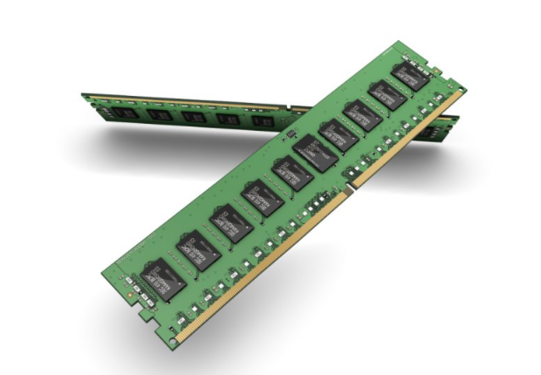
DRAM & NAND Prices Surge 12% MoM
💡Memory price hikes hit AI GPU server costs hard—plan hardware budgets now
⚡ 30-Second TL;DR
What Changed
DRAM prices increased over 12% month-over-month in February
Why It Matters
Rising memory prices will elevate costs for AI training servers and data centers, potentially delaying hardware upgrades and increasing inference expenses for practitioners.
What To Do Next
Assess current DRAM stockpiles and negotiate bulk NAND contracts before Q2 hikes.
Key Points
- •DRAM prices increased over 12% month-over-month in February
- •NAND flash prices rose more than 12% month-over-month
- •First time both chips achieved double-digit monthly gains simultaneously
- •Trend continuation from prior months reported by Korean media
🧠 Deep Insight
Background and context from public sources — not the original article. 7 sources cited.
🔑 Enhanced Key Takeaways
- •Q1 2026 price increases are substantially steeper than the 12% MoM figure suggests: TrendForce reports conventional DRAM contract prices surging 90–95% QoQ and NAND Flash 55–60% QoQ, with PC DRAM specifically projected to exceed 100% QoQ growth, setting historical records[2].
- •The supply-demand imbalance is structural and multi-year: analysts forecast a global MLC NAND Flash capacity drop exceeding 40% in 2026 due to Samsung ending MLC production by June 2026, while HBM demand diverts premium DRAM wafer output, constraining standard DRAM supply well into 2027[5].
- •End-device competition for allocations has intensified dramatically: PC OEMs are experiencing inventory declines despite secured supplier allocations, while smartphone vendors finalized contracts in late 2025, with Chinese vendors still negotiating as of late February 2026[2].
- •Memory manufacturers are actively reallocating production capacity from NAND to DRAM due to superior DRAM profitability, further exacerbating NAND supply constraints and limiting capacity expansion to incremental process upgrades only[2].
- •Downstream consumer impact is accelerating: major PC vendors (Lenovo, Dell, HP, Acer, ASUS) have warned of 15–20% system price hikes in H2 2026, with average computer prices potentially climbing 8% solely due to memory shortages[4].
🔮 Future ImplicationsAI analysis grounded in cited sources
⏳ Timeline
📎 Sources (7)
Factual claims are grounded in the sources below. Forward-looking analysis is AI-generated interpretation.
- evertiq.com — 2026 01 05 Dram and Nand Flash Prices to Surge in Q1 2026
- trendforce.com — 20260202 12911
- ecrin.com — Volatility in the Dram and Nand Markets Pressure on Prices and Supplies on the Horizon for 2026
- gotraka.com — The Global Memory Crunch Dram and Nand Price Spikes Reshape Computing Markets
- neumonda.com — Memory Market 2026 Scarcity Strategy and Security of Supply
- dramexchange.com
- counterpointresearch.com — Memory Prices Surge Up to 90 From Q4 2025
Weekly AI Recap
Read this week's curated digest of top AI events →
👉Related Updates


AI-curated news aggregator. All content rights belong to original publishers.
Original source: cnBeta (Full RSS) ↗
This is a summary, not the original. Read the source, or get the weekly briefing.
Weekly AI briefing
One email a week. Unsubscribe anytime.