Don't worry about Starlink's 260 satellite deorbiting reports
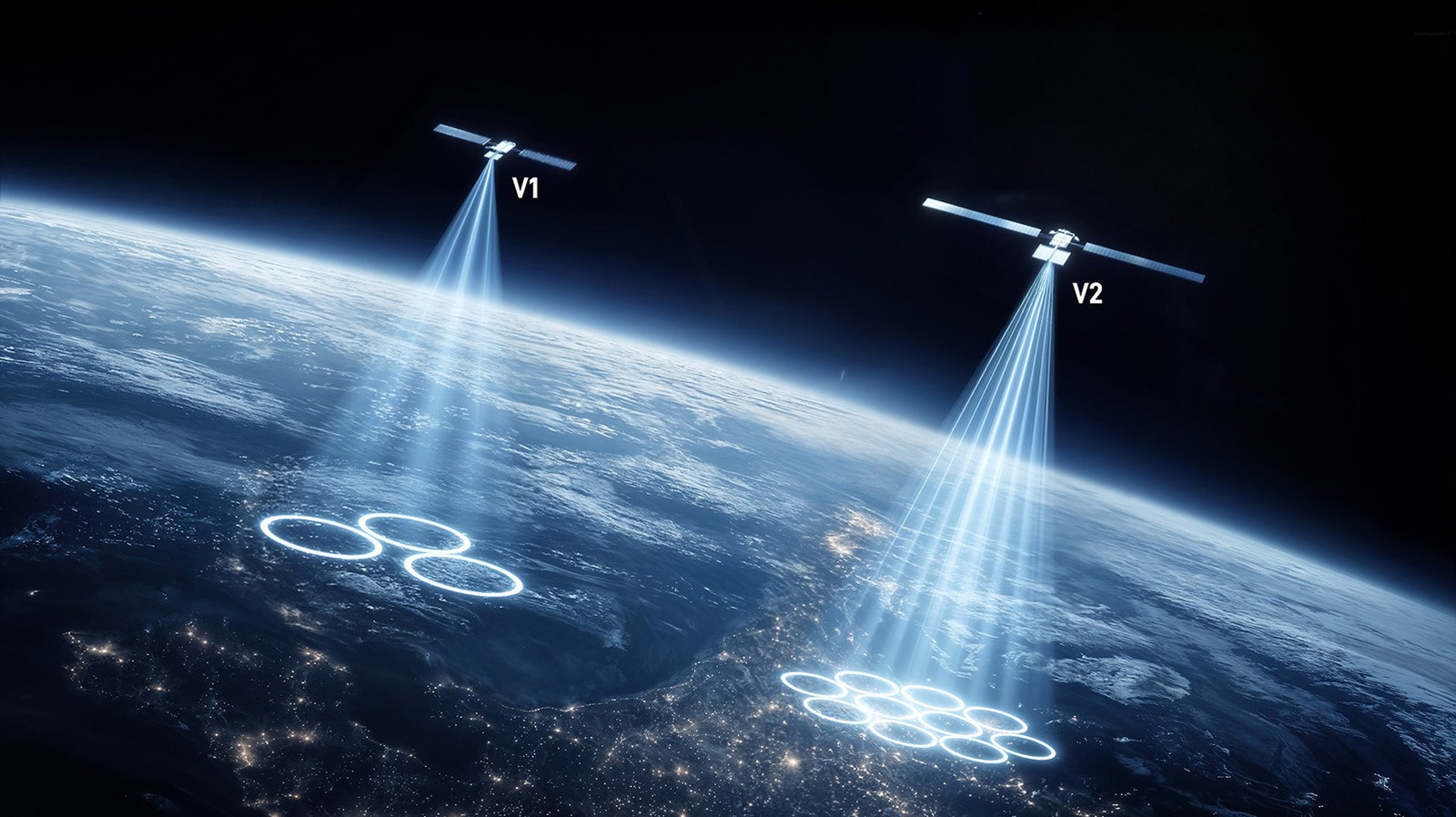
💡Understand the infrastructure reliability of Starlink, a key backbone for remote AI and edge computing deployments.
⚡ 30-Second TL;DR
What Changed
Deorbiting 260 satellites is a standard operational procedure for SpaceX.
Why It Matters
While not a direct AI product update, the infrastructure stability of satellite constellations is critical for global edge AI and remote connectivity deployments.
What To Do Next
If you are building edge AI applications relying on satellite connectivity, monitor SpaceX's official constellation status updates for latency or coverage shifts.
Key Points
- •Deorbiting 260 satellites is a standard operational procedure for SpaceX.
- •The process is part of managing the Starlink constellation's lifecycle.
- •Scientists are conducting studies on the atmospheric and environmental effects of satellite disposal.
🧠 Deep Insight
AI-generated analysis for this event.
🔑 Enhanced Key Takeaways
- •SpaceX utilizes autonomous collision avoidance systems to maneuver satellites into lower perigee orbits for controlled atmospheric re-entry, ensuring they burn up completely.
- •The 260 figure often cited in media refers to cumulative deorbiting events over a specific period rather than a single mass-disposal event, reflecting the high turnover rate of V1.5 and V2 Mini satellites.
- •Atmospheric scientists have raised concerns regarding the accumulation of aluminum oxides in the stratosphere, which may impact ozone layer chemistry as satellite re-entry rates increase.
- •The Federal Communications Commission (FCC) requires satellite operators to demonstrate a post-mission disposal plan, typically mandating that satellites deorbit within five years of mission completion.
- •SpaceX has transitioned to using krypton and later argon-based electric propulsion systems, which influence the efficiency and speed at which satellites can be deorbited at the end of their operational life.
📊 Competitor Analysis▸ Show
| Feature | SpaceX Starlink | Amazon Project Kuiper | OneWeb (Eutelsat) |
|---|---|---|---|
| Constellation Size | 6,000+ (Active) | Planned 3,200+ | 600+ (Active) |
| Deorbit Strategy | Controlled Re-entry | Controlled Re-entry | Controlled Re-entry |
| Propulsion | Hall-effect (Argon/Krypton) | Hall-effect (Xenon) | Hall-effect (Xenon) |
| Market Focus | Consumer/Enterprise | Enterprise/Government | Enterprise/Maritime |
🛠️ Technical Deep Dive
- Satellite Bus: Starlink V2 Mini satellites utilize high-thrust Hall-effect thrusters for both station-keeping and end-of-life deorbiting maneuvers.
- Re-entry Dynamics: Satellites are designed for 'demiseability,' meaning structural components are engineered to vaporize during high-velocity atmospheric entry to minimize ground debris risk.
- Orbital Decay: SpaceX targets a perigee of approximately 200-250km to initiate rapid orbital decay, utilizing the increased atmospheric drag to ensure re-entry within weeks.
- Material Composition: Transitioning from legacy materials to advanced alloys to ensure complete ablation during re-entry, reducing the potential for surviving fragments.
🔮 Future ImplicationsAI analysis grounded in cited sources
⏳ Timeline
Weekly AI Recap
Read this week's curated digest of top AI events →
👉Related Updates



AI-curated news aggregator. All content rights belong to original publishers.
Original source: Engadget ↗