Docker VMM Beta Brings Faster Cross-Platform Development
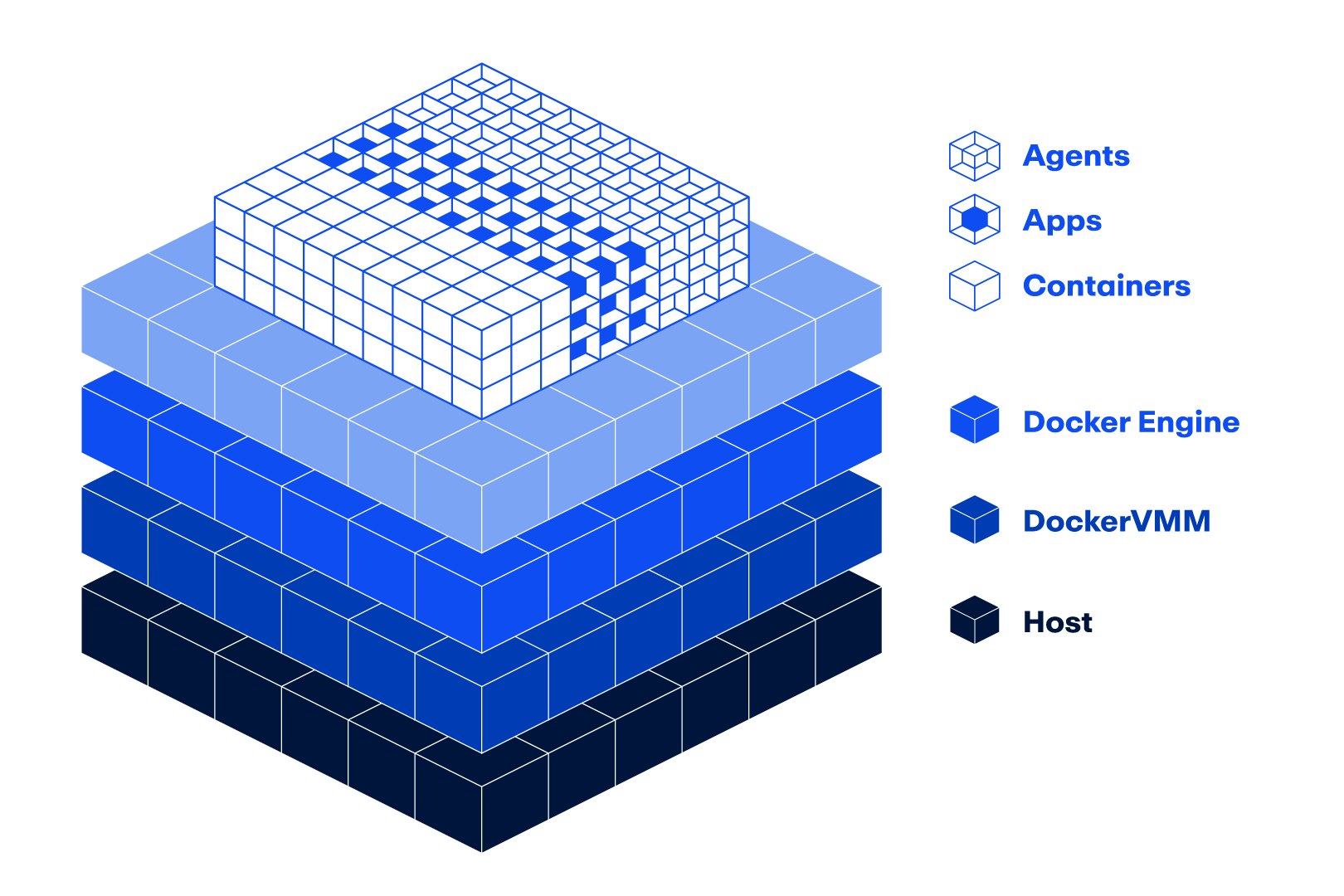
💡See whether Docker VMM’s overhaul can make local AI container workflows faster and more stable.
⚡ 30-Second TL;DR
What Changed
Public beta availability now covers both Mac and Windows.
Why It Matters
AI developers using local containers can evaluate whether Docker VMM improves development speed and reliability across Mac and Windows workstations. Broader availability may also simplify standardized local environments for teams building AI services.
What To Do Next
Install the Docker VMM public beta on a test workstation and benchmark container startup, build, and AI-inference workloads against your current setup.
Key Points
- •Public beta availability now covers both Mac and Windows.
- •The overhaul targets improved performance and stability.
- •Docker outlines governance considerations and trial instructions.
🧠 Deep Insight
AI-generated analysis for this event.
🔑 Enhanced Key Takeaways
- •Docker VMM utilizes a custom-built hypervisor layer designed to reduce memory overhead by up to 30% compared to previous virtualization implementations on macOS and Windows.
- •The new architecture integrates directly with Apple's Virtualization Framework (for macOS) and Windows Hypervisor Platform (WHPX) to minimize context switching latency.
- •Docker has introduced a new 'Governance Dashboard' within the VMM beta, allowing enterprise administrators to enforce image signing and vulnerability scanning policies at the hypervisor level.
- •The beta release includes experimental support for hardware-accelerated GPU passthrough, enabling developers to run AI/ML workloads directly within Docker containers on local machines.
- •Docker VMM implements a unified file system driver that significantly improves I/O performance for bind mounts, addressing a long-standing bottleneck in cross-platform development environments.
📊 Competitor Analysis▸ Show
| Feature | Docker VMM | Podman Desktop | OrbStack |
|---|---|---|---|
| Architecture | Custom Hypervisor | QEMU/KVM | Optimized Lightweight VM |
| Performance | High (Native Integration) | Moderate | Very High |
| Enterprise Governance | Advanced/Integrated | Basic/Plugin-based | Limited |
| Pricing | Freemium/Subscription | Open Source | Paid/Subscription |
🛠️ Technical Deep Dive
- Utilizes a lightweight, Rust-based hypervisor backend to ensure memory safety and rapid boot times.
- Implements Virtio-fs for high-performance file sharing between the host OS and the guest VM.
- Leverages native platform APIs (Apple Virtualization Framework and WHPX) to bypass legacy emulation layers.
- Supports dynamic memory ballooning, allowing the VM to reclaim unused RAM from the host in real-time.
- Includes a revamped networking stack that supports IPv6 and custom bridge configurations out of the box.
🔮 Future ImplicationsAI analysis grounded in cited sources
⏳ Timeline
Weekly AI Recap
Read this week's curated digest of top AI events →
👉Related Updates

AI-curated news aggregator. All content rights belong to original publishers.
Original source: Docker Blog ↗