Distinguishing AI growth from the dot-com bubble
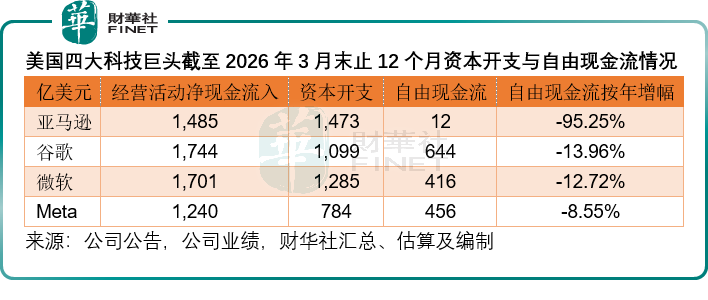
💡Learn why the current AI cycle is fundamentally different from the dot-com bubble for better investment decisions.
⚡ 30-Second TL;DR
What Changed
Mature tech giants are leading the AI development cycle
Why It Matters
Understanding these differences helps practitioners differentiate between hype-driven projects and those with sustainable business models.
What To Do Next
Evaluate your AI project's unit economics to ensure it aligns with real-world demand rather than just hype.
Key Points
- •Mature tech giants are leading the AI development cycle
- •There is a tangible, high demand for AI compute resources
- •Early commercial monetization provides industry resilience
🧠 Deep Insight
AI-generated analysis for this event — not the original article.
🔑 Enhanced Key Takeaways
- •Unlike the dot-com era's reliance on speculative venture capital, current AI infrastructure investment is largely funded by the robust free cash flow of 'Big Tech' balance sheets.
- •The 'AI bubble' debate is complicated by the shift from pure software-as-a-service (SaaS) models to capital-intensive physical infrastructure, such as massive GPU clusters and specialized data centers.
- •Current AI adoption shows higher 'stickiness' in enterprise workflows compared to the consumer-facing dot-com startups, which often lacked clear value propositions.
- •Energy constraints and power grid limitations have emerged as a physical bottleneck for AI growth, a factor that was largely absent during the internet's initial expansion.
- •Regulatory scrutiny regarding data privacy and copyright in AI training sets creates a legal risk profile that did not exist during the early internet boom.
🛠️ Technical Deep Dive
- Shift toward heterogeneous computing architectures combining GPUs, TPUs, and custom ASICs to optimize inference costs.
- Implementation of model distillation and quantization techniques to reduce the compute-to-revenue ratio for commercial applications.
- Integration of Retrieval-Augmented Generation (RAG) to improve model accuracy and reduce hallucination rates in enterprise deployments.
- Development of energy-efficient cooling solutions and power management systems for high-density AI server racks.
🔮 Future ImplicationsAI analysis grounded in cited sources
⏳ Timeline
Weekly AI Recap
Read this week's curated digest of top AI events →
👉Related Updates

AI-curated news aggregator. All content rights belong to original publishers.
Original source: 钛媒体 ↗
This is a summary, not the original. Read the source, or get the weekly briefing.
Weekly AI briefing
One email a week. Unsubscribe anytime.