⚛️Stalecollected in 4m

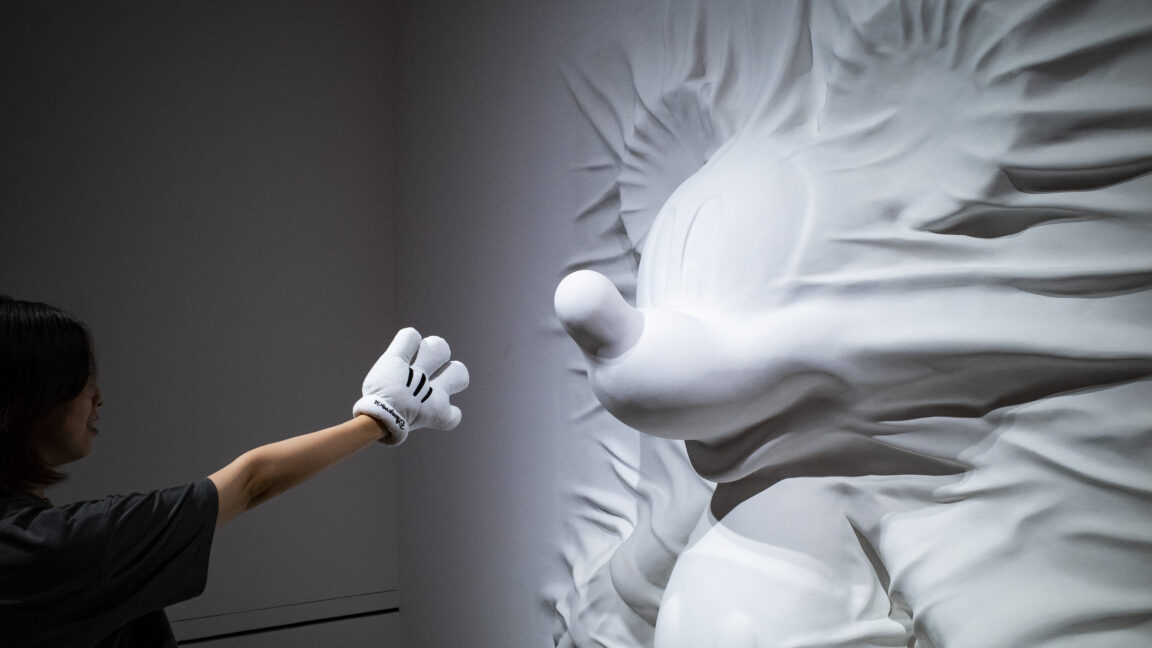
Disney's $1B OpenAI Bet Ends with Sora
Disney's $1B OpenAI Bet Ends with Sora
PostLinkedIn
⚛️Read original on Ars Technica AI

💡Sora shutdown kills Disney $1B OpenAI deal—key lessons for AI partnerships

⚡ 30-Second TL;DR

What Changed

Sora discontinuation cancels Disney's $1B OpenAI investment

Why It Matters

This highlights risks in AI partnerships for video tech, potentially cooling corporate investments in generative AI amid product uncertainties.

What To Do Next

Evaluate non-OpenAI video models like Runway for production pipelines amid Sora uncertainty.

Who should care:Founders & Product Leaders

🧠 Deep Insight

AI-generated analysis for this event.

🔑 Enhanced Key Takeaways

  • The collapse of the deal stems from Disney's internal 'Project Cine-AI' audit, which concluded that OpenAI's reliance on synthetic training data posed unacceptable copyright and brand-safety risks for Disney's intellectual property.
  • OpenAI's decision to sunset Sora was driven by unsustainable compute costs and the inability to achieve consistent temporal stability in long-form video generation, rather than solely by the failed Disney partnership.
  • Industry analysts suggest the failed $1B investment marks a pivot in Disney's strategy toward developing proprietary, smaller-scale generative models trained exclusively on its own licensed archives to avoid third-party dependency.
📊 Competitor Analysis▸ Show
FeatureSora (Discontinued)Runway Gen-3 AlphaKling AI
Max Duration60s (Targeted)10s (Extendable)120s
ArchitectureDiffusion Transformer (DiT)Latent Diffusion3D VAE + Diffusion
PricingN/ASubscription-basedCredit-based
BenchmarkHigh temporal coherenceHigh artistic controlHigh motion realism

🛠️ Technical Deep Dive

  • Sora utilized a Diffusion Transformer (DiT) architecture, treating video patches as tokens similar to how GPT models process text.
  • The model relied on a spacetime latent patch approach, compressing video into a lower-dimensional latent space to manage computational complexity.
  • The primary technical failure point was 'hallucinated physics' in complex scenes, where the model struggled to maintain object permanence across sequences longer than 15 seconds without significant compute overhead.

🔮 Future ImplicationsAI analysis grounded in cited sources

Disney will acquire a specialized AI startup by Q4 2026.
The failed OpenAI deal highlights Disney's urgent need for vertical integration of AI tools to control their proprietary data pipeline.
OpenAI will shift focus away from high-fidelity video generation in 2026.
The discontinuation of Sora indicates a strategic reallocation of GPU resources toward reasoning-heavy models like o1 and its successors.

Timeline

2024-02
OpenAI announces Sora with high-profile demonstrations.
2024-09
Initial reports emerge of Disney exploring a $1B partnership with OpenAI.
2025-11
Disney initiates a comprehensive audit of AI vendor safety and copyright compliance.
2026-03
OpenAI officially discontinues Sora development, effectively ending the Disney deal.

📰 Event Coverage

📰

Weekly AI Recap

Read this week's curated digest of top AI events →

👉Related Updates
AI-curated news aggregator. All content rights belong to original publishers.
Original source: Ars Technica AI