DDR5 Prices Drop Up to 29% on Amazon and Newegg
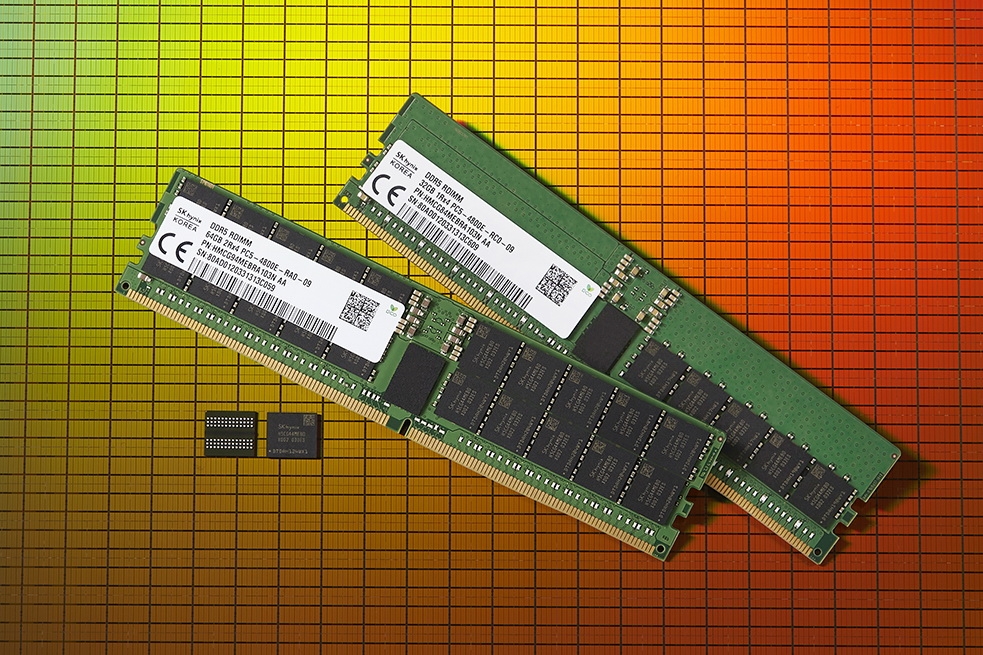
💡DDR5 down 29%—prime time to bolster AI infra memory costs
⚡ 30-Second TL;DR
What Changed
DDR5 prices fall up to 29% on major US platforms
Why It Matters
Cheaper DDR5 lowers barriers for scaling AI training clusters with high-bandwidth memory needs. Could accelerate infrastructure upgrades amid compression tech advances.
What To Do Next
Scan Newegg for DDR5 deals to upgrade AI server RAM capacity now.
Key Points
- •DDR5 prices fall up to 29% on major US platforms
- •Amazon and Newegg leading the drops
- •Possibly triggered by Google TurboQuant tech
- •Debate on sustainability of price reversal
🧠 Deep Insight
AI-generated analysis for this event — not the original article.
🔑 Enhanced Key Takeaways
- •Market analysts attribute the price volatility to a sudden inventory surplus caused by major OEMs shifting focus toward HBM4 (High Bandwidth Memory) production for AI server clusters.
- •Google's TurboQuant technology, while cited as a factor, is specifically optimized for LLM inference workloads, effectively reducing the physical DRAM capacity requirements for edge-AI devices by up to 40%.
- •Retailers are aggressively clearing DDR5 inventory to make shelf space for the upcoming JEDEC-standardized DDR6 modules expected to enter mass production in Q3 2026.
🛠️ Technical Deep Dive
Google TurboQuant is a lossy compression algorithm designed for memory-constrained AI inference:
- Quantization Strategy: Utilizes non-linear, adaptive bit-width quantization (ranging from 2-bit to 6-bit) to compress model weights stored in DRAM.
- Hardware Integration: Operates via a dedicated memory controller firmware update that intercepts data requests, decompressing weights on-the-fly within the memory controller's cache.
- Latency Impact: Introduces a sub-5ns latency penalty, which is offset by the reduction in bus traffic and increased effective bandwidth per clock cycle.
🔮 Future ImplicationsAI analysis grounded in cited sources
⏳ Timeline
Weekly AI Recap
Read this week's curated digest of top AI events →
👉Related Updates
AI-curated news aggregator. All content rights belong to original publishers.
Original source: cnBeta (Full RSS) ↗
This is a summary, not the original. Read the source, or get the weekly briefing.
The weekly digest
One email a week. Unsubscribe anytime.