Chinese Satellite Engine Costs Plummet, Boosting Commercial Space
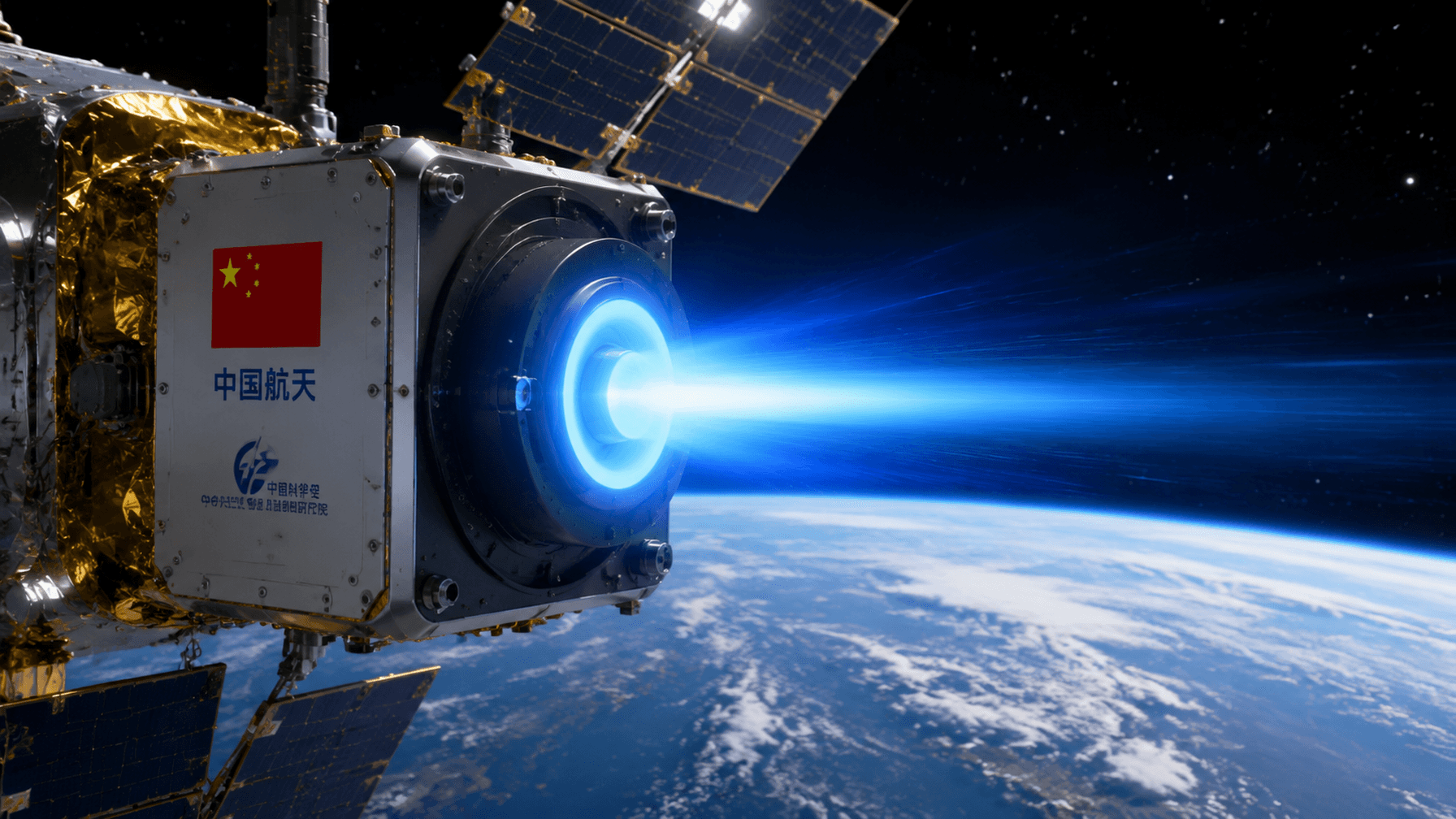
💡Lower satellite costs mean more data from space; prepare for new edge AI opportunities in the commercial space sector.
⚡ 30-Second TL;DR
What Changed
Domestic satellite engine costs have seen a dramatic decline.
Why It Matters
Lower propulsion costs lower the barrier to entry for satellite constellations, potentially increasing the demand for edge computing and AI-driven satellite data processing.
What To Do Next
Monitor the availability of low-cost satellite hardware to explore potential edge AI deployment opportunities in orbit.
Key Points
- •Domestic satellite engine costs have seen a dramatic decline.
- •Cost reduction is a key driver for the commercial space industry's expansion.
- •Increased accessibility to propulsion technology is enabling more frequent satellite launches.
🧠 Deep Insight
AI-generated analysis for this event — not the original article.
🔑 Enhanced Key Takeaways
- •The cost reduction is largely attributed to the transition from batch-produced, high-cost aerospace-grade components to standardized, mass-produced industrial-grade parts in satellite propulsion systems.
- •Chinese commercial space firms are increasingly adopting 3D printing (additive manufacturing) for complex engine components, such as combustion chambers and injectors, significantly reducing material waste and assembly time.
- •Government-backed initiatives, such as the 'National New Infrastructure' plan, have provided subsidies and streamlined regulatory approvals for private space companies to test propulsion systems at state-run facilities.
- •The shift toward electric propulsion, specifically Hall-effect thrusters, has become a dominant trend among Chinese commercial satellite manufacturers due to their superior fuel efficiency compared to traditional chemical thrusters.
- •Vertical integration strategies among Chinese commercial space startups have allowed companies to internalize the production of propulsion subsystems, eliminating reliance on expensive third-party aerospace suppliers.
📊 Competitor Analysis▸ Show
| Feature | Chinese Commercial Engines | SpaceX (Starlink/Falcon) | Rocket Lab (Curie/HyperCurie) |
|---|---|---|---|
| Primary Tech | Hall-effect / Low-cost Chemical | Krypton/Xenon Electric | 3D-printed Chemical |
| Cost Strategy | Mass-market industrialization | Reusability / Vertical Integration | Rapid iteration / Additive Mfg |
| Market Focus | LEO Constellations | Global Broadband | Small/Medium Launch |
| Pricing | Highly Competitive (Low) | Optimized for Scale | Premium/Agile |
🛠️ Technical Deep Dive
- Adoption of Hall-effect thrusters (HET) utilizing magnetic shielding technology to extend engine lifespan by reducing ion erosion on discharge chamber walls.
- Implementation of additive manufacturing (SLM - Selective Laser Melting) for Inconel 718 alloy components, reducing part count by up to 60%.
- Integration of modular propulsion units that allow for 'plug-and-play' installation on standardized satellite buses (e.g., 100kg-500kg class).
- Shift toward non-toxic, green propellants like ADN (Ammonium Dinitramide) to reduce ground handling costs and safety infrastructure requirements.
🔮 Future ImplicationsAI analysis grounded in cited sources
⏳ Timeline
Weekly AI Recap
Read this week's curated digest of top AI events →
👉Related Updates

AI-curated news aggregator. All content rights belong to original publishers.
Original source: Pandaily ↗
This is a summary, not the original. Read the source, or get the weekly briefing.
Weekly AI briefing
One email a week. Unsubscribe anytime.