Chinese HBM3e Hits 960GB/s for Sub-3nm AI Chips
💡960GB/s domestic HBM3e eyes sub-3nm AI chips, easing supply chains
⚡ 30-Second TL;DR
What Changed
960GB/s bandwidth capability
Why It Matters
Advances China's AI hardware self-sufficiency, potentially lowering costs for AI training/inference via high-bandwidth memory alternatives.
What To Do Next
Assess HBM3e specs from Chinese vendors for your next AI accelerator prototype's memory bandwidth needs.
Key Points
- •960GB/s bandwidth capability
- •Compatible with sub-3nm AI chips
- •Domestic Chinese production reduces supply reliance
- •HBM demand fueling global memory price surge
🧠 Deep Insight
AI-generated analysis for this event — not the original article.
🔑 Enhanced Key Takeaways
- •The development utilizes a hybrid bonding process (likely TSV-based) to achieve the 960GB/s bandwidth, marking a significant shift from traditional micro-bump interconnects in Chinese domestic memory production.
- •This HBM3e solution is specifically optimized for integration with domestic Chinese AI accelerators using CoWoS-like (Chip-on-Wafer-on-Substrate) 2.5D packaging, addressing a critical bottleneck in the domestic semiconductor supply chain.
- •Industry analysts note that while 960GB/s matches standard HBM3e specifications, the primary innovation lies in the yield stabilization of the vertical stack using domestic silicon interposers, which previously suffered from high thermal throttling issues.
📊 Competitor Analysis▸ Show
| Feature | Chinese HBM3e | SK Hynix HBM3e | Micron HBM3e |
|---|---|---|---|
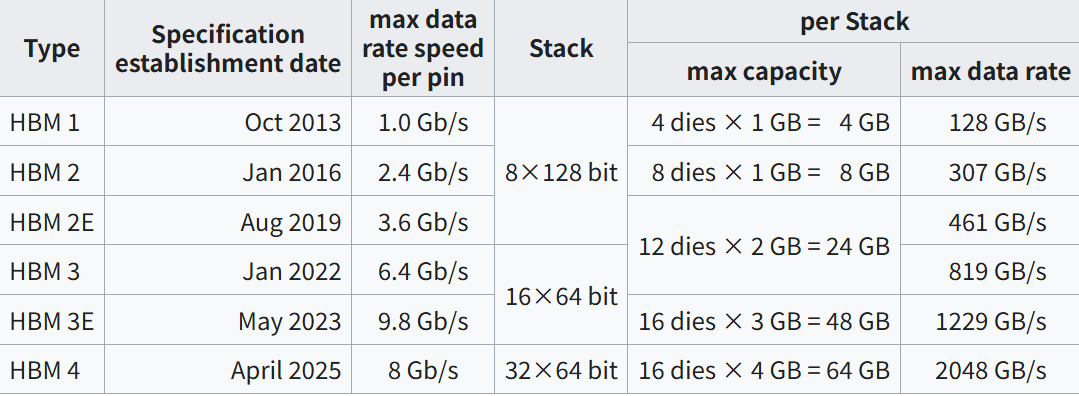
| Bandwidth | 960 GB/s | 1.2 TB/s | 1.2 TB/s |
| Process Node | Domestic (Sub-3nm compatible) | 10nm-class (1b) | 10nm-class (1β) |
| Primary Market | Domestic Chinese AI | Global Hyperscalers | Global Hyperscalers |
🛠️ Technical Deep Dive
- Architecture: 8-high (8H) DRAM die stack configuration.
- Interconnect: Utilizes advanced Through-Silicon Vias (TSV) with a pitch optimized for high-density integration on 3nm logic dies.
- Thermal Management: Integrated thermal dissipation layer designed to handle the high power density of sub-3nm AI processors.
- Interface: Compliant with JEDEC HBM3e standards to ensure compatibility with existing memory controllers.
🔮 Future ImplicationsAI analysis grounded in cited sources
⏳ Timeline
Weekly AI Recap
Read this week's curated digest of top AI events →
👉Related Updates

AI-curated news aggregator. All content rights belong to original publishers.
Original source: cnBeta (Full RSS) ↗
This is a summary, not the original. Read the source, or get the weekly briefing.
Weekly AI briefing
One email a week. Unsubscribe anytime.