Chinese battery firms face regulatory hurdles in Hungary
💡Critical insights on the geopolitical and regulatory risks facing Chinese tech investments in Europe.
⚡ 30-Second TL;DR
What Changed
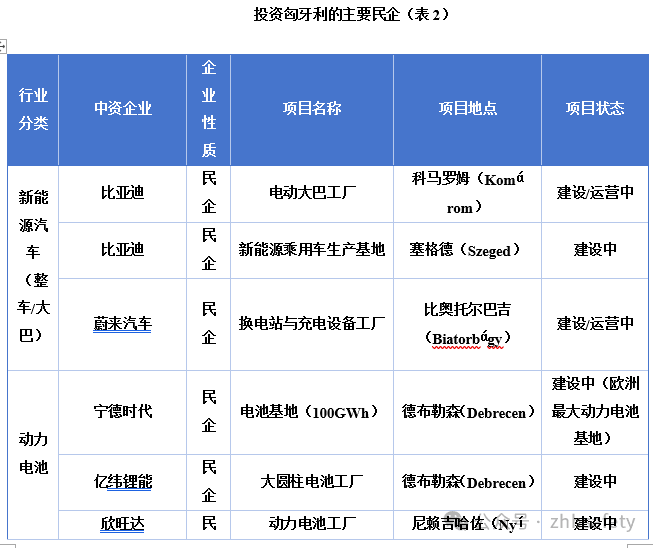
Enjie's Hungarian factory was ordered to shut down due to severe groundwater contamination.
Why It Matters
This signals a potential cooling of the 'bridgehead' strategy for Chinese EV battery firms in Europe. It underscores the necessity for rigorous ESG compliance when scaling AI-intensive manufacturing operations abroad.
What To Do Next
If managing international hardware/AI infrastructure projects, implement automated, real-time environmental and compliance monitoring systems to preemptively address regulatory risks.
Key Points
- •Enjie's Hungarian factory was ordered to shut down due to severe groundwater contamination.
- •New political leadership in Hungary is tightening environmental and labor regulations for industrial firms.
- •Chinese firms must navigate both local Hungarian policy shifts and broader EU regulatory frameworks.
- •The concept of 'social license' is becoming as critical as government relationships for long-term project success.
🧠 Deep Insight
AI-generated analysis for this event.
🔑 Enhanced Key Takeaways
- •The European Union's Battery Regulation (2023/1542) mandates a 'battery passport' system, requiring manufacturers to disclose carbon footprint data and supply chain transparency, which has disproportionately impacted Chinese firms operating in Hungary.
- •Local opposition in Hungarian municipalities, such as Debrecen and Göd, has intensified due to concerns over water consumption levels required for battery cell production, leading to legal challenges against industrial water permits.
- •The European Commission has initiated investigations into potential 'distortive' subsidies provided by the Hungarian government to non-EU battery manufacturers, creating a conflict between national industrial policy and EU-wide competition law.
- •Chinese battery component suppliers are increasingly forced to adopt 'local-for-local' production strategies, shifting from exporting finished goods to establishing full-cycle manufacturing to comply with EU 'Rules of Origin' requirements.
- •Labor unions in Hungary have begun coordinating with European labor federations to demand higher safety standards and collective bargaining rights at Chinese-owned battery plants, citing discrepancies between local and international labor practices.
📊 Competitor Analysis▸ Show
| Feature | CATL (Hungary) | EVE Energy (Hungary) | Enjie (Hungary) |
|---|---|---|---|
| Primary Focus | Battery Cells | Battery Cells | Separator Films |
| Regulatory Risk | High (EU Subsidy Probe) | Moderate (Scale-up) | High (Environmental) |
| Market Position | Tier 1 Global Supplier | Tier 2 Expansion | Market Leader (Separators) |
🛠️ Technical Deep Dive
- Separator film manufacturing utilizes wet-process biaxial stretching technology, which requires significant quantities of solvent (typically hydrocarbons) and water for the extraction and cleaning phases.
- Groundwater contamination risks are primarily linked to the handling and potential leakage of volatile organic compounds (VOCs) and solvents used in the porous membrane production process.
- EU environmental compliance requires the implementation of closed-loop solvent recovery systems and advanced wastewater treatment plants (WWTP) to meet the Zero Pollution Action Plan standards.
🔮 Future ImplicationsAI analysis grounded in cited sources
⏳ Timeline
Weekly AI Recap
Read this week's curated digest of top AI events →
👉Related Updates

Memory shortages impact global smartphone shipment volumes
SK Hynix ADRs Tumble Amid AI Market Correction

Decoupling from China would cost the West $23.6tn

Nanwei Software under investigation for information disclosure violations
AI-curated news aggregator. All content rights belong to original publishers.
Original source: 虎嗅 ↗