China's Inland AI Data Labor Exposed
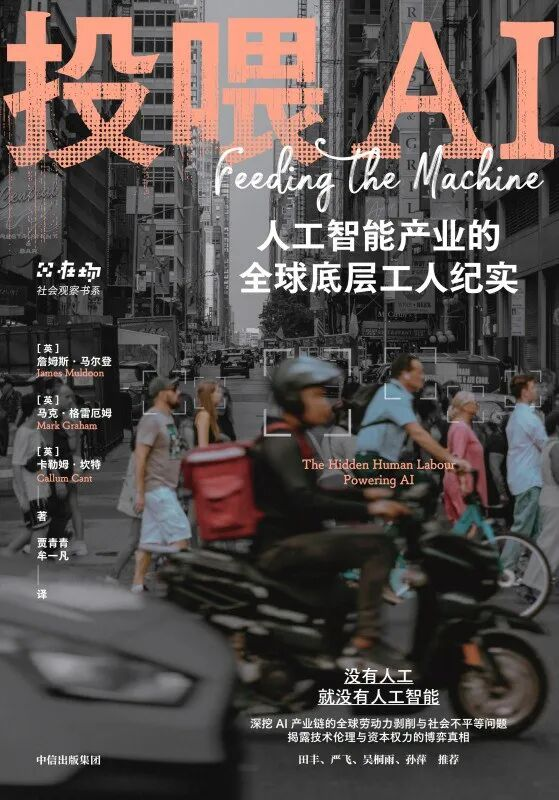
💡China's secure AI data labor model boosts training quality, security—key for practitioners.
⚡ 30-Second TL;DR
What Changed
Inland-sourcing keeps sensitive AI training data secure within controlled Chinese bases.
Why It Matters
Highlights scalable, secure data pipelines for AI firms, potentially influencing global strategies amid data privacy concerns. Reveals labor dynamics in AI supply chain, urging ethical considerations for annotation workers.
What To Do Next
Pilot a secure on-site data labeling team for proprietary AI training datasets.
Key Points
- •Inland-sourcing keeps sensitive AI training data secure within controlled Chinese bases.
- •Relocation communities provide stable female workforce via local partnerships.
- •High accuracy (97-98%) from fixed labor vs. volatile crowdsourcing platforms.
- •Blurs work-family boundaries for women workers in machine rooms.
- •Driven by data secrecy, gov employment goals, and quality control needs.
🧠 Deep Insight
Background and context from public sources — not the original article. 6 sources cited.
🔑 Enhanced Key Takeaways
- •Data labeling bases (DLBs) in China, such as one established by B-Tech in 2018 in a Guizhou poverty-alleviation relocation community, represent collaborative efforts between tech giants and local governments, NGOs, and vocational schools in third- and fourth-tier cities.[4]
- •Ethnographic studies from 2019-2024 identify three primary annotator groups: middle-aged women, workers with disabilities, and vocational school interns, reflecting diverse recruitment across 102 interviewees.[4]
- •Rural data annotation market in China has expanded to tens of billions of dollars within three years, enabled by local governments providing training grounds, credit, and publicity, as seen in Shandong's Hualizhuang village.[1]
🔮 Future ImplicationsAI analysis grounded in cited sources
⏳ Timeline
📎 Sources (6)
Factual claims are grounded in the sources below. Forward-looking analysis is AI-generated interpretation.
- thinkchina.sg — Chinese Villagers Unsung Heroes Behind Chinas Rapid AI Development
- sixthtone.com — 1014142
- theworldofchinese.com — Smart Earth How AI Is Rewriting Rural China
- repository.essex.ac.uk — Wu Et Al 2025 Global Data Empires Analysing Artificial Intelligence Data Annotation in China and the Usa
- thethirdeyeportal.in — A Data Labeller Spots Ais Biases Against Their Community What Do They Do
- journals.sagepub.com — 20539517261421470
Weekly AI Recap
Read this week's curated digest of top AI events →
👉Related Updates
AI-curated news aggregator. All content rights belong to original publishers.
Original source: 虎嗅 ↗
This is a summary, not the original. Read the source, or get the weekly briefing.
Weekly AI briefing
One email a week. Unsubscribe anytime.