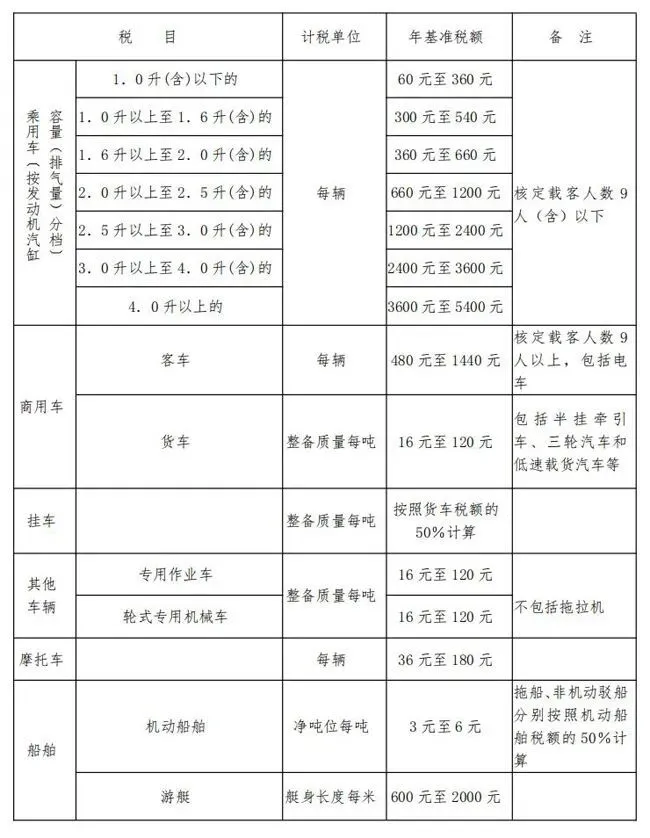
China Adjusts NEV Vehicle and Vessel Tax Policy
💡Understand upcoming regulatory shifts in the EV market that may impact autonomous fleet economics.
⚡ 30-Second TL;DR
What Changed
Cancellation of 50% tax reduction for energy-saving vehicles
Why It Matters
This policy will increase the total cost of ownership for commercial EV fleets, potentially impacting logistics companies' transition to green energy. Manufacturers may need to adjust pricing strategies to remain competitive.
What To Do Next
If you are building logistics optimization AI, factor in the 2027 tax changes to your long-term fleet cost-benefit models.
Key Points
- •Cancellation of 50% tax reduction for energy-saving vehicles
- •Removal of tax exemptions for pure electric commercial vehicles
- •Plug-in hybrids and fuel cell commercial vehicles lose tax-free status
- •Policy effective date set for January 1, 2027
🧠 Deep Insight
AI-generated analysis for this event — not the original article.
🔑 Enhanced Key Takeaways
- •The policy adjustment is part of a broader fiscal reform aimed at transitioning the Chinese automotive market from a subsidy-driven model to a market-driven competitive environment.
- •Local governments in China are expected to receive guidance on reallocating the recovered tax revenue toward charging infrastructure development and grid modernization.
- •Industry analysts suggest the move is intended to curb the rapid proliferation of low-quality commercial NEV models that relied heavily on tax incentives for profitability.
- •The Ministry of Finance and the State Taxation Administration are coordinating the implementation to ensure that existing vehicle registrations remain unaffected until the 2027 deadline.
- •This policy shift aligns with China's 'Dual Carbon' goals, shifting the focus from broad vehicle adoption to incentivizing high-efficiency and long-range technological advancements.
🔮 Future ImplicationsAI analysis grounded in cited sources
⏳ Timeline
Weekly AI Recap
Read this week's curated digest of top AI events →
👉Related Updates



AI-curated news aggregator. All content rights belong to original publishers.
Original source: cnBeta (Full RSS) ↗
This is a summary, not the original. Read the source, or get the weekly briefing.
Weekly AI briefing
One email a week. Unsubscribe anytime.