ChatGPT vs. Google: Which is better for learning?
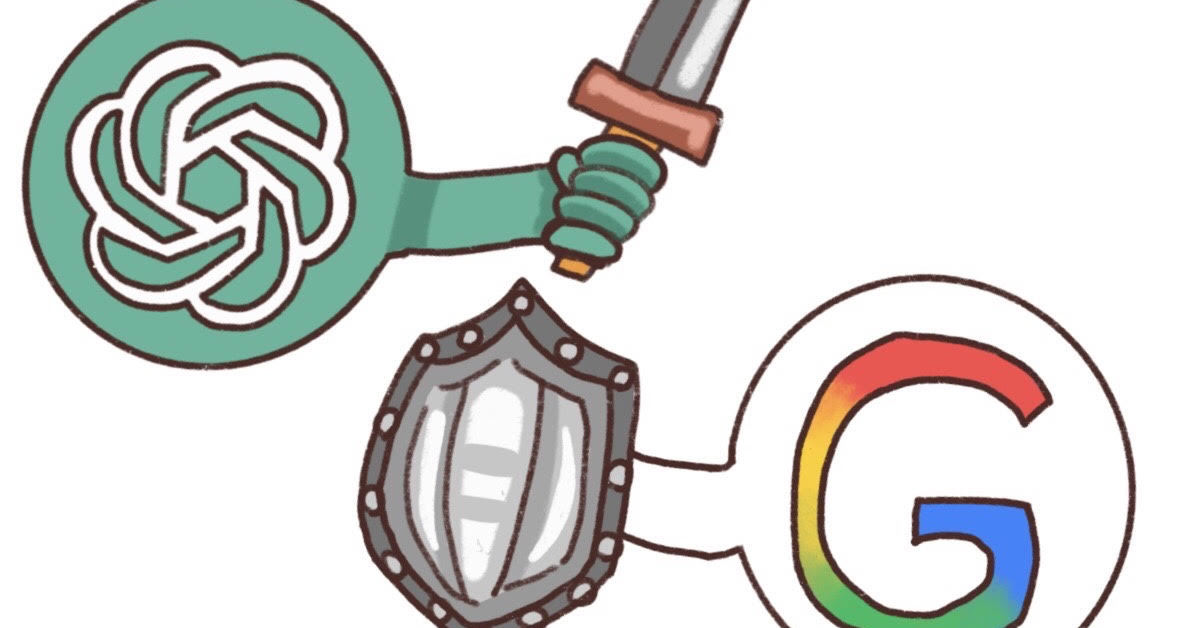
💡Understand if AI chatbots actually improve learning outcomes compared to traditional search engines.
⚡ 30-Second TL;DR
What Changed
Comparative study between AI chatbots and standard search engines
Why It Matters
This research helps practitioners understand how users interact with AI for knowledge-based tasks, potentially influencing UI/UX design for educational AI tools.
What To Do Next
Review the study's methodology to optimize your AI's response structure for educational or knowledge-intensive use cases.
Key Points
- •Comparative study between AI chatbots and standard search engines
- •Focuses on learning efficacy and information retention
- •Conducted by researchers from Georgia Tech and University of Michigan
🧠 Deep Insight
Background and context from public sources — not the original article. 14 sources cited.
🔑 Enhanced Key Takeaways
- •A study published on arXiv on June 11, 2026, found that participants using ChatGPT for informal learning experienced diminished agency and greater meta-cognitive load, leading to worse learning outcomes, particularly for higher-order critical learning, compared to those using Google Search.
- •Research indicates that while AI chatbots are helpful for summarizing complex content, traditional search engines are more efficient for locating specific facts.
- •A comparative study on programming exercises revealed that students using ChatGPT achieved higher success rates in task completion but tended to copy code, whereas Google users, despite lower success rates, demonstrated a better understanding of the underlying concepts.
- •Another study comparing Google Gemini and ChatGPT for enhancing English language learning found both tools improved linguistic accuracy and essay structure, with Gemini showing superior performance in multimodal feedback and source integration, especially for rural learners.
🔮 Future ImplicationsAI analysis grounded in cited sources
⏳ Timeline
📎 Sources (14)
Factual claims are grounded in the sources below. Forward-looking analysis is AI-generated interpretation.
Weekly AI Recap
Read this week's curated digest of top AI events →
👉Related Updates
AI-curated news aggregator. All content rights belong to original publishers.
Original source: ITmedia AI+ (日本) ↗
This is a summary, not the original. Read the source, or get the weekly briefing.
The weekly digest
One email a week. Unsubscribe anytime.