Celebrities Start Licensing AI Digital Twins
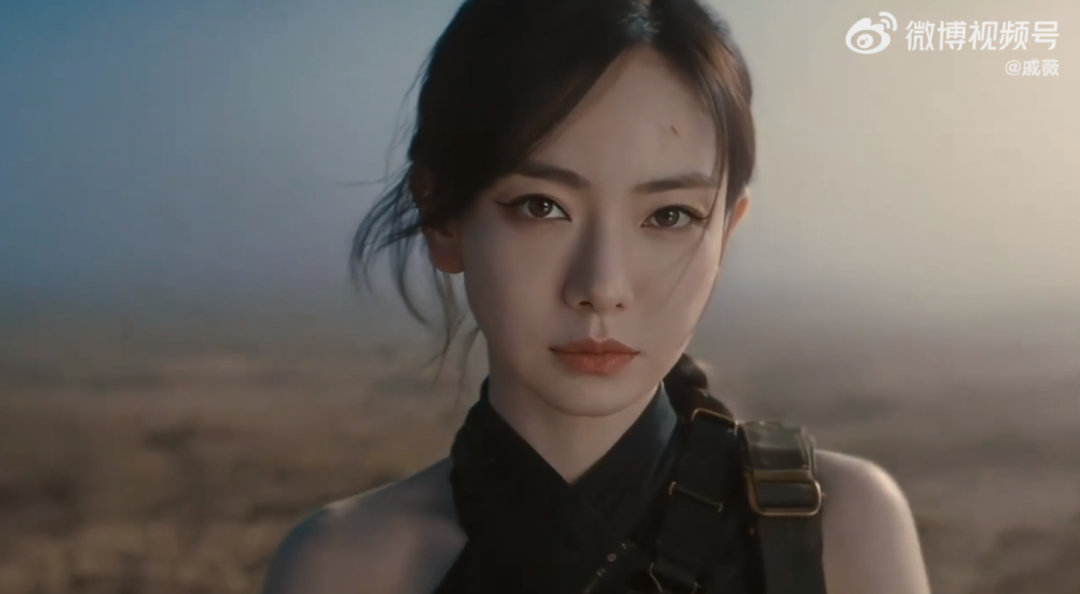
💡Celebrity digital twins could reshape creator monetization—and expose new consent and likeness-rights challenges.
⚡ 30-Second TL;DR
What Changed
Qi Wei has authorized an AI-generated digital representation of herself.
Why It Matters
Licensed digital likenesses could create new scalable media and advertising businesses for creators, while also increasing the importance of consent, compensation, and identity-rights management. AI companies serving entertainment clients may need stronger controls for authorization and usage tracking.
What To Do Next
Prototype a consent-first digital-avatar workflow with HeyGen's avatar API, including signed usage scopes, expiration dates, and audit logs.
Key Points
- •Qi Wei has authorized an AI-generated digital representation of herself.
- •AI is changing celebrity monetization, not just film and television production workflows.
- •Digital avatars could allow performers to produce more appearances without being physically present.
🧠 Deep Insight
AI-generated analysis for this event.
🔑 Enhanced Key Takeaways
- •The trend of celebrity digital twins in China is heavily driven by the 'AI + Livestreaming' e-commerce sector, where avatars operate 24/7 to sell products.
- •Legal frameworks in China, such as the 'Interim Measures for the Management of Generative AI Services,' are increasingly being invoked to address personality rights and deepfake consent.
- •Platforms like Silicon Intelligence (硅基智能) and other specialized AI firms are acting as the primary infrastructure providers for these celebrity licensing deals.
- •Celebrity digital twins are often trained using proprietary 'voice cloning' and 'lip-sync' models that require high-fidelity video data from the celebrity to ensure realistic interaction.
- •Beyond simple appearances, these digital twins are being integrated with Large Language Models (LLMs) to enable real-time, interactive customer service and fan engagement.
📊 Competitor Analysis▸ Show
| Feature | Silicon Intelligence | HeyGen | Synthesia |
|---|---|---|---|
| Primary Focus | E-commerce/Livestreaming | Marketing/Corporate | Corporate Training |
| Real-time Interaction | High (Optimized for Sales) | Medium | Low |
| Licensing Model | Agency/Celebrity Partnerships | Self-Service/Enterprise | Enterprise/API |
🛠️ Technical Deep Dive
- Architecture typically utilizes a combination of GANs (Generative Adversarial Networks) for visual synthesis and NeRF (Neural Radiance Fields) for 3D head modeling.
- Audio-to-video synchronization is achieved through lip-sync models that map phonemes to visemes in real-time.
- Latency reduction is managed through edge computing deployments to ensure the avatar responds to livestream chat inputs within milliseconds.
- Training pipelines involve few-shot learning, where a limited set of high-definition footage is sufficient to create a functional digital twin.
🔮 Future ImplicationsAI analysis grounded in cited sources
⏳ Timeline
Weekly AI Recap
Read this week's curated digest of top AI events →
👉Related Updates
AI-curated news aggregator. All content rights belong to original publishers.
Original source: 钛媒体 ↗