🐯虎嗅•Stalecollected in 61m
CarPlay Ultra Limited to Aston Martin
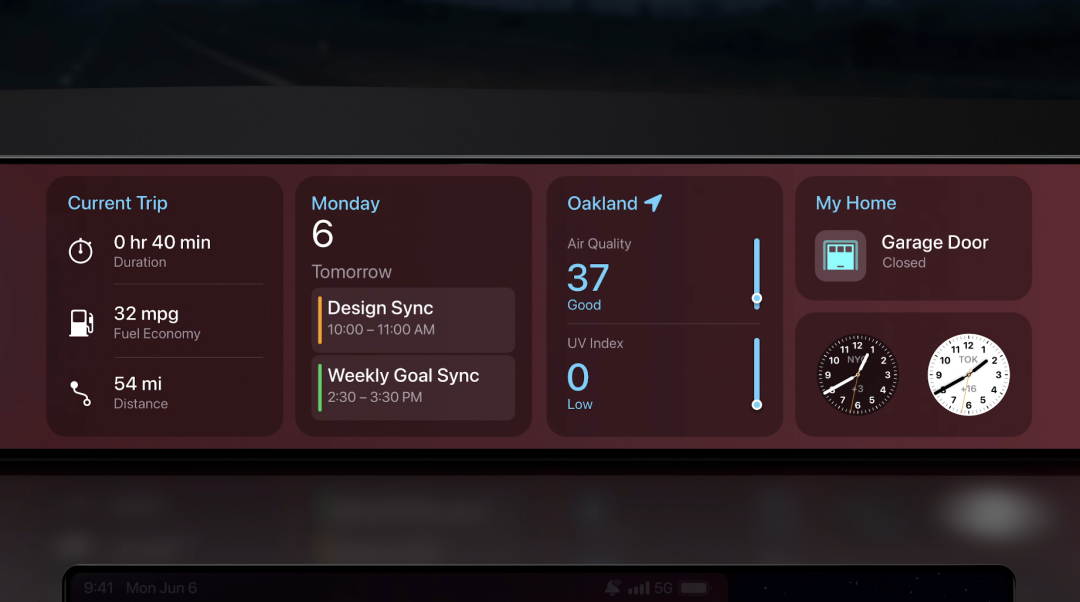
💡Why Apple fails to rule car software—lessons for AI app ecosystems.
⚡ 30-Second TL;DR
What Changed
Only Aston Martin launched CarPlay Ultra in 2024, not Porsche or Hyundai.
Why It Matters
Signals carmakers' shift to proprietary OS, limiting Apple's automotive ambitions like iPhone dominance. May niche to luxury EVs.
What To Do Next
Assess CarPlay Ultra integration for luxury fleet apps if targeting Apple users.
Who should care:Enterprise & Security Teams
Key Points
- •Only Aston Martin launched CarPlay Ultra in 2024, not Porsche or Hyundai.
- •Carmakers view software as core revenue, rejecting Apple's ecosystem takeover.
- •Thrives in ultra-luxury segment lacking in-house software expertise.
🧠 Deep Insight
AI-generated analysis for this event.
🔑 Enhanced Key Takeaways
- •CarPlay Ultra utilizes a proprietary communication protocol that requires deep integration with the vehicle's CAN bus and domain controllers, creating significant engineering overhead for mass-market manufacturers.
- •The 'Ultra' branding specifically refers to the capability of the system to render high-fidelity graphics across multiple displays, including instrument clusters and passenger screens, which requires specific hardware certification from Apple.
- •Market data indicates that while luxury brands like Aston Martin and Porsche were early partners, the adoption rate has stalled due to Apple's strict requirements for data privacy and UI consistency, which conflict with OEM data monetization strategies.
📊 Competitor Analysis▸ Show
| Feature | Apple CarPlay Ultra | Google Automotive Services (GAS) | Android Automotive OS (AAOS) |
|---|---|---|---|
| Integration Level | Deep (Full UI/Vehicle Control) | Deep (Full UI/Vehicle Control) | Deep (Full UI/Vehicle Control) |
| Data Ownership | Apple-centric | Google-centric | OEM-controlled (customizable) |
| UI Customization | Highly Restricted | Restricted | Fully Customizable |
| Hardware Req. | Apple-certified SoC | Google-certified SoC | OEM-defined SoC |
🛠️ Technical Deep Dive
- •Utilizes a high-bandwidth, low-latency link (typically Ethernet-based) to transmit multi-stream video data to the vehicle's cockpit domain controller.
- •Requires the vehicle to support the 'CarPlay Hardware Abstraction Layer' (CHAL), allowing Apple's software to interface directly with vehicle sensors, climate control, and powertrain telemetry.
- •Implements a secure, encrypted tunnel for vehicle data transmission to ensure that Apple's UI can display real-time vehicle speed, battery/fuel levels, and tire pressure without latency.
- •Supports multi-display rendering via a unified graphics pipeline, enabling seamless transitions of UI elements across the instrument cluster and central infotainment screen.
🔮 Future ImplicationsAI analysis grounded in cited sources
CarPlay Ultra will remain exclusive to ultra-luxury and low-volume manufacturers through 2027.
The high cost of hardware certification and the loss of control over the user experience remain prohibitive for mass-market OEMs prioritizing their own software-defined vehicle platforms.
Apple will shift focus toward 'CarPlay Pro' or a lighter version to regain market share.
The current 'Ultra' requirements are too restrictive for the broader automotive market, forcing Apple to offer a middle-ground solution to maintain relevance in the cockpit.
⏳ Timeline
2022-06
Apple announces the next generation of CarPlay at WWDC, showcasing deep integration with vehicle hardware.
2023-12
Aston Martin and Porsche preview the next-gen CarPlay interface on their respective vehicle displays.
2024-05
Aston Martin officially launches the first production vehicle featuring the rebranded 'CarPlay Ultra' system.
📰
Weekly AI Recap
Read this week's curated digest of top AI events →
👉Related Updates
AI-curated news aggregator. All content rights belong to original publishers.
Original source: 虎嗅 ↗