Source钛媒体•Stalecollected in 41m
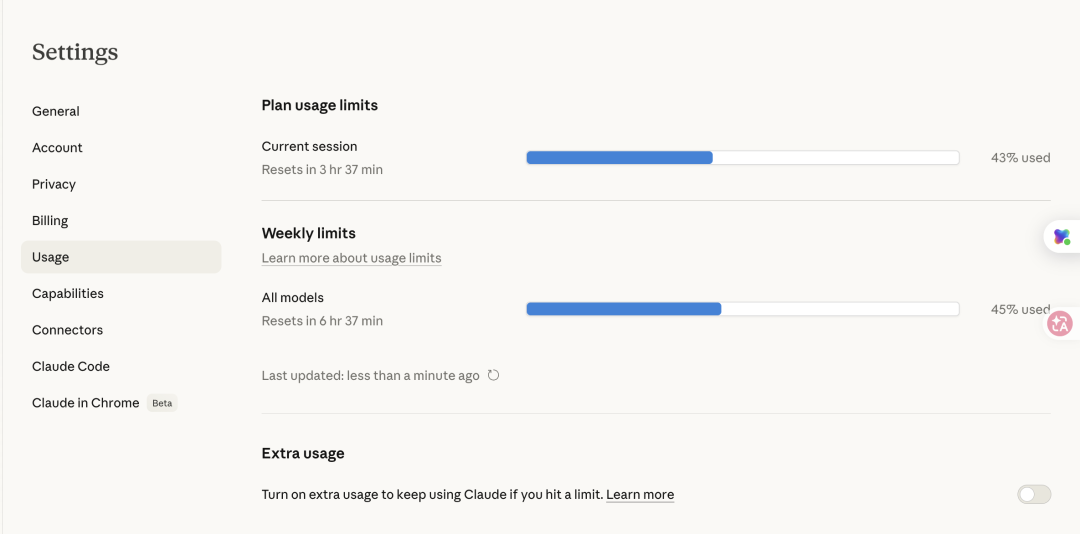
Can't Afford Tokens in AI Era
#token-costs#ai-access#user-segmentsai-tokens
💡AI token costs tier users like early internet – budget wisely now.
⚡ 30-Second TL;DR
What Changed
High token usage leads to unexpected overage fees.
Why It Matters
Exposes accessibility barriers in AI, widening gaps between high-volume and casual users.
What To Do Next
Track personal token spend via OpenAI dashboard to avoid overages.
Who should care:Developers & AI Engineers
Key Points
- •High token usage leads to unexpected overage fees.
- •Mirrors early internet's pay-per-traffic model.
- •Creates tiered user segments in AI economy.
🧠 Deep Insight
AI-generated analysis for this event — not the original article.
🔑 Enhanced Key Takeaways
- •The 'token economy' has shifted from simple input/output billing to complex multi-modal pricing, where image generation and long-context retrieval incur significantly higher hidden costs than standard text processing.
- •Enterprises are increasingly adopting 'token-budgeting' software to prevent runaway API costs, mirroring the evolution of cloud-spend management tools (FinOps) that emerged during the early AWS adoption era.
- •The industry is seeing a pivot toward 'token-efficient' model architectures, such as Mixture-of-Experts (MoE) and speculative decoding, specifically designed to reduce the compute-per-token ratio for high-volume users.
🔮 Future ImplicationsAI analysis grounded in cited sources
Token-based pricing will be largely replaced by flat-rate subscription models for enterprise-grade AI services by 2027.
Predictable budgeting requirements for corporate procurement departments are forcing providers to move away from volatile, usage-based billing.
Local edge-AI inference will capture 30% of the consumer market share for routine tasks to bypass cloud token costs.
As hardware NPU performance increases, users will prioritize running models locally to eliminate recurring per-token fees for non-sensitive tasks.
📰
Weekly AI Recap
Read this week's curated digest of top AI events →
👉Related Updates



AI-curated news aggregator. All content rights belong to original publishers.
Original source: 钛媒体 ↗
This is a summary, not the original. Read the source, or get the weekly briefing.
The weekly digest
One email a week. Unsubscribe anytime.