Canada Mandates 15% Revenue Spend on Local Content
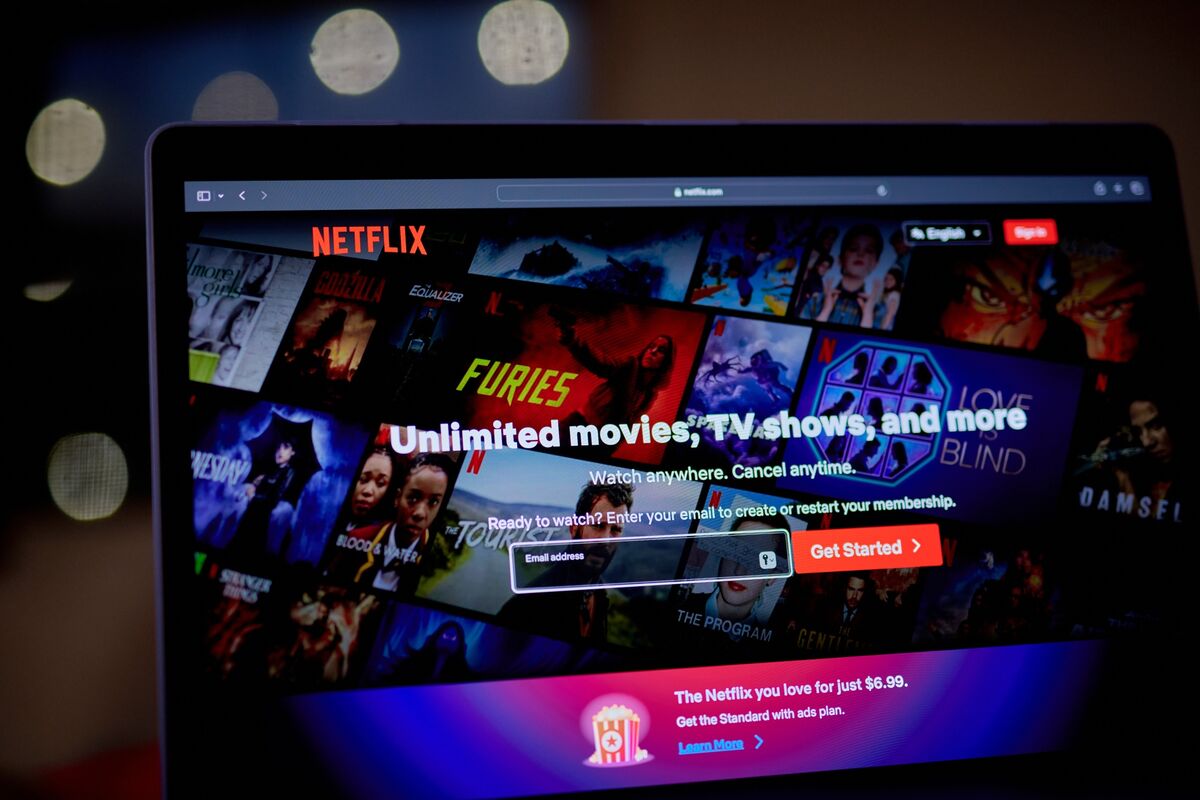
💡Understand how digital sovereignty laws are forcing algorithmic changes for global streaming and content platforms.
⚡ 30-Second TL;DR
What Changed
Streaming giants must spend 15% of domestic revenue on Canadian content.
Why It Matters
This regulation sets a precedent for digital sovereignty, potentially forcing AI-driven content recommendation engines to prioritize local media to meet compliance requirements. It may lead to increased operational costs and algorithmic adjustments for global platforms operating in Canada.
What To Do Next
If you are building a recommendation engine for a media platform, implement a metadata-based filtering system to track and boost regional content compliance.
Key Points
- •Streaming giants must spend 15% of domestic revenue on Canadian content.
- •The policy applies to major platforms including Netflix and Spotify.
- •The US Trade Representative has identified the law as a trade irritant.
🧠 Deep Insight
Web-grounded analysis with 18 cited sources.
🔑 Enhanced Key Takeaways
- •The regulation is formally known as the Online Streaming Act (Bill C-11), which received Royal Assent on April 27, 2023, and serves as the first major reform of Canada's Broadcasting Act since 1991, empowering the Canadian Radio-television and Telecommunications Commission (CRTC) to regulate online streaming services.
- •The CRTC initially mandated that foreign streaming services generating over CA$25 million in annual Canadian revenues contribute 5% of those revenues to Canadian content funds, effective September 1, 2024, before increasing this requirement to 15% as of May 21, 2026.
- •The definition of 'Canadian content' has been updated to include a broader range of creative roles, require at least 20% Canadian copyright ownership, and explicitly state that humans, not artificial intelligence, must maintain creative control to qualify.
- •The United States has expressed concerns that the Online Streaming Act could violate non-discriminatory treatment provisions for digital products under the Canada-United States-Mexico Agreement (CUSMA), potentially leading to hundreds of millions of dollars in retaliatory tariffs on Canadian goods.
🔮 Future ImplicationsAI analysis grounded in cited sources
⏳ Timeline
📎 Sources (18)
Factual claims are grounded in the sources below. Forward-looking analysis is AI-generated interpretation.
Weekly AI Recap
Read this week's curated digest of top AI events →
👉Related Updates
AI-curated news aggregator. All content rights belong to original publishers.
Original source: Bloomberg Technology ↗