Can 'Pin Dou' and Mini-Games Drive Emotional Consumption?
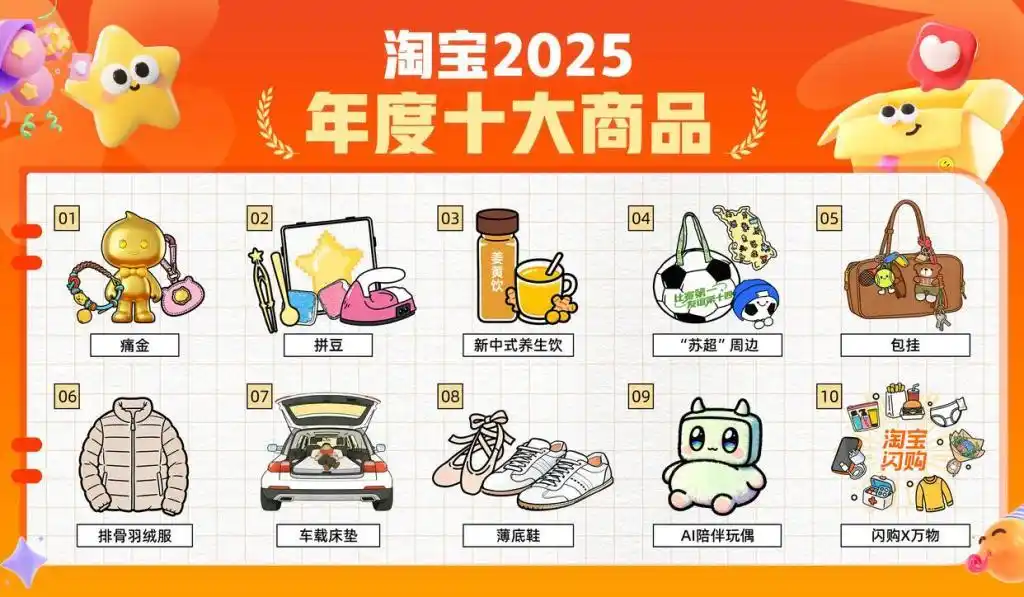
💡Learn how AI-driven interactive games are tapping into the trillion-dollar 'emotional consumption' market.
⚡ 30-Second TL;DR
What Changed
Offline emotional consumption is becoming a significant market trend
Why It Matters
This represents a growing trend of 'Phygital' (Physical + Digital) AI applications, offering new opportunities for developers to build niche, high-engagement consumer products.
What To Do Next
Explore integrating computer vision APIs into your hobby-focused apps to bridge the gap between physical user activities and digital rewards.
Key Points
- •Offline emotional consumption is becoming a significant market trend
- •Combining physical hobbies (like Pin Dou) with digital mini-games creates new engagement loops
- •AI can be leveraged to personalize these interactive experiences
🧠 Deep Insight
Web-grounded analysis with 15 cited sources.
🔑 Enhanced Key Takeaways
- •The 'emotional consumption' market in China is a rapidly expanding sector, projected to reach RMB 3 trillion by 2026, primarily driven by Generation Z consumers who prioritize psychological comfort, stress relief, and self-expression in their purchasing decisions.
- •China's mini-game industry is a significant market, estimated to surpass 70 billion yuan in 2026, largely due to their accessibility through major social media platforms like WeChat and Douyin, and their role as a low-cost, loosely regulated alternative for developers to bypass traditional game licensing requirements.
- •Pinduoduo, a prominent Chinese e-commerce platform, extensively utilizes gamification, such as 'Duo Duo Orchard' and 'Sign-in Beans,' to foster user retention and acquisition by offering tangible rewards and integrating social interaction, effectively blurring the lines between digital play and real-world incentives.
- •AI-powered personalization is transforming various sectors beyond gaming, including cultural tourism, where AI digital humans and guides provide immersive experiences and customized itineraries, and the burgeoning market of AI companion toys that offer emotional support and companionship by learning user habits and emotions.
🛠️ Technical Deep Dive
- AI chatbots are employed to provide emotional solace and companionship.
- AI digital human projects leverage natural language processing (NLP) to enable interactive conversations with virtual historical figures or guides.
- Large Language Models (LLMs), such as DeepSeek's models, power AI-driven personalization for tasks like generating travel itineraries and enabling AI companion toys to 'talk'.
- AI systems analyze vast datasets in real-time to achieve hyper-personalization in e-commerce, informing product recommendations and dynamic pricing.
- AI companion toys are designed to simulate physical attributes like body warmth and gentle breathing rhythms, and can 'evolve' through distinct physical stages mirroring growth, enhancing realism and emotional connection.
- Some 'emotion games' utilize principles of 'attentional or cognitive bias modification' from academic psychology, training users to focus on positive signals to improve emotional resilience and reduce negative perceptions.
🔮 Future ImplicationsAI analysis grounded in cited sources
⏳ Timeline
📎 Sources (15)
Factual claims are grounded in the sources below. Forward-looking analysis is AI-generated interpretation.
- Google Search Source
- Google Search Source
- Google Search Source
- Google Search Source
- Google Search Source
- Google Search Source
- Google Search Source
- Google Search Source
- Google Search Source
- Google Search Source
- Google Search Source
- Google Search Source
- Google Search Source
- Google Search Source
- Google Search Source
Weekly AI Recap
Read this week's curated digest of top AI events →
👉Related Updates


AI-curated news aggregator. All content rights belong to original publishers.
Original source: 钛媒体 ↗